
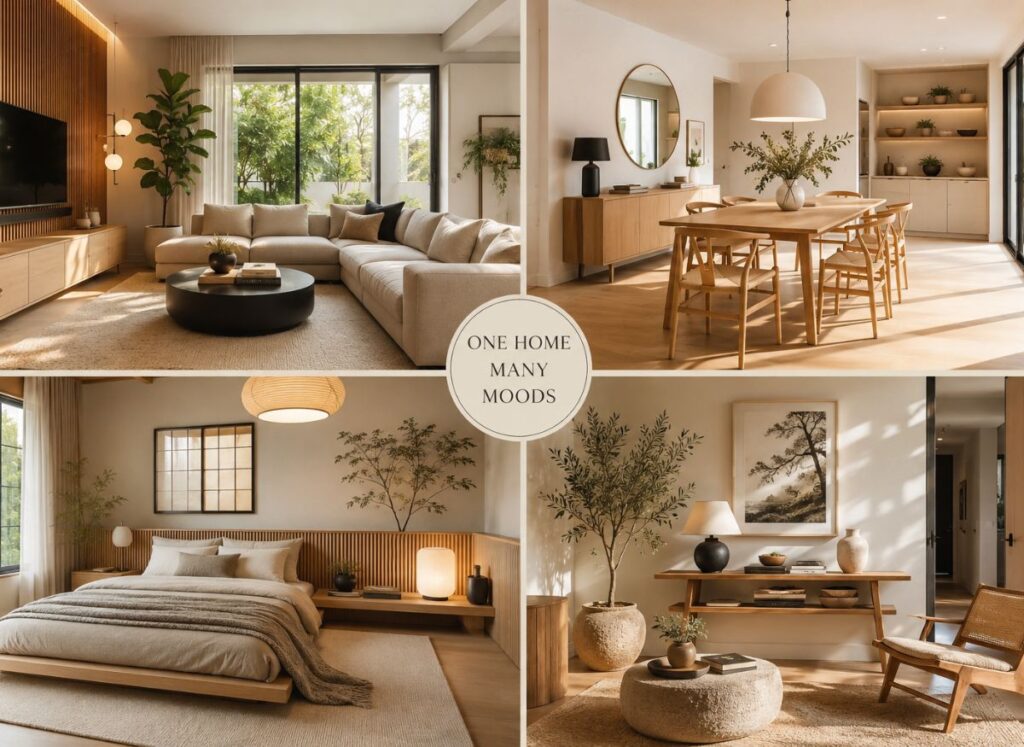
Every home tells a story, and the way a space is decorated often reveals as much about the people living there as the furniture inside it. Understanding the range of interior design styles available today makes it easier to shape a home that feels intentional, blending color, texture, and layout into a look that genuinely fits how you live.
Choosing one direction or thoughtfully combining a few creates visual harmony instead of a cluttered mix of unrelated pieces. This guide walks through thirty of the most recognizable interior design styles, from clean modern lines to warm, lived in farmhouse charm, so you can pinpoint the aesthetic that speaks to you.
Clean, Classic, and Contemporary Interior Design Styles
1. Modern
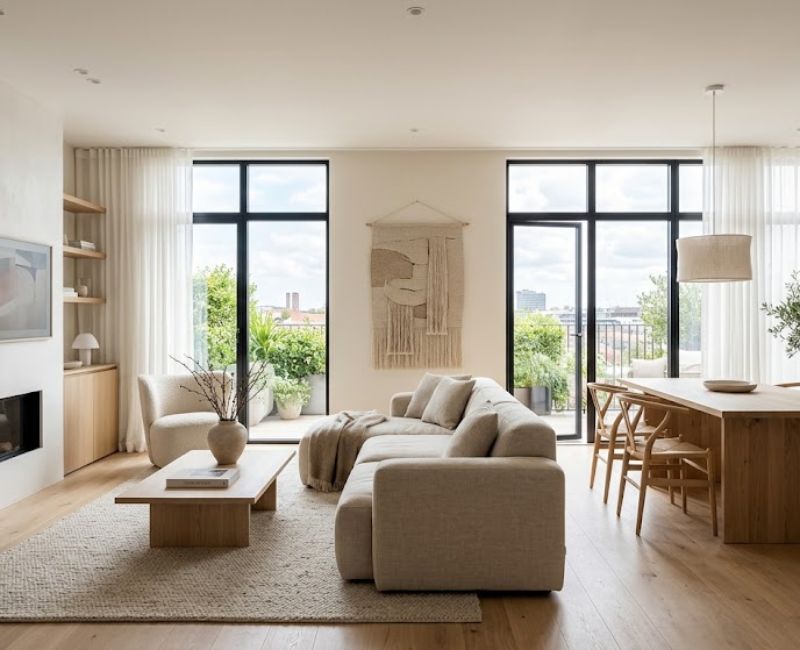
Modern design favors clean lines, minimal ornamentation, and a restrained palette of whites, blacks, and warm neutrals. It suits homeowners who prefer order and remains one of the most requested interior design styles.
2. Contemporary
Unlike modern design, tied to a specific era, contemporary style constantly evolves with trends. Expect curved silhouettes, soft neutrals with occasional bold color, and mixed materials. It fits homeowners who like an ever-changing look.
3. Minimalist
Minimalism strips a room to only what’s functional, using a tight neutral palette, hidden storage, and low profile furniture. It suits people who find calm in empty space. If you love the clean and uncluttered look of minimalist design, explore these minimalist living room ideas for practical ways to create a calm and stylish space.
4. Scandinavian
Scandinavian interiors balance minimalism with warmth through light wood, soft textiles, and natural light, with whites and pale grays dominating. It works well in smaller homes needing an airy feel.
5. Japandi
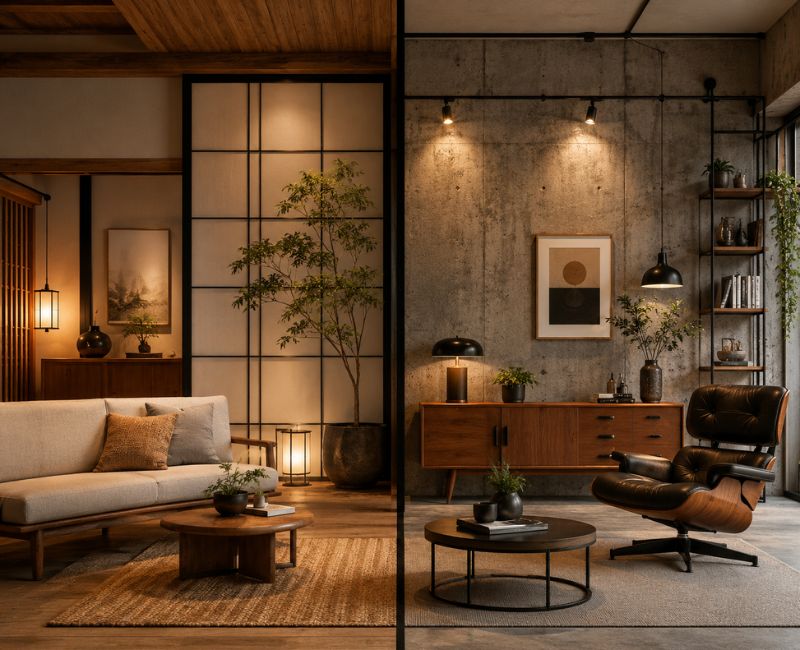
A fusion of Japanese simplicity and Scandinavian warmth, Japandi favors low furniture, natural materials, and muted earth tones, prizing craftsmanship over decoration. It suits those drawn to both minimalism and comfort.
6. Industrial
Industrial style borrows from converted warehouses, exposing brick, ductwork, and beams. Metal, reclaimed wood, and leather dominate in dark, moody tones. It’s ideal for loft style spaces.
7. Mid Century Modern
Rooted in 1950s and 60s design, mid century modern features tapered legs, organic curves, and bold accents like mustard or teal. Furniture is functional yet sculptural, suiting fans of vintage flair.
8. Traditional
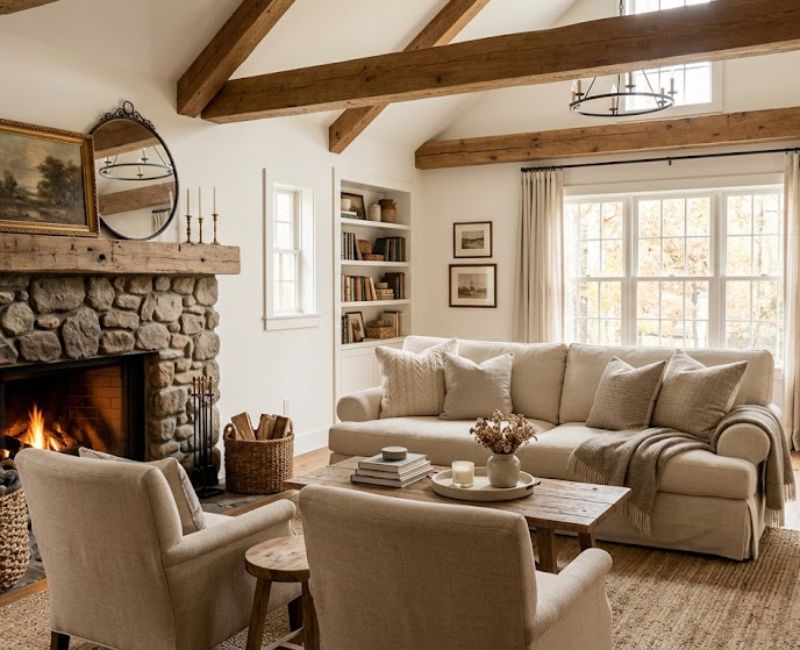
Traditional interiors lean on symmetry, rich wood tones, and classic patterns like damask, paired with heavier drapery. This remains one of the more enduring interior design styles for formal homes.
9. Transitional
Transitional style blends traditional comfort with modern simplicity, using a neutral palette, textured fabrics, and cleaner silhouettes. It appeals to those wanting balance rather than extremes.
10. Farmhouse
Farmhouse design centers on rustic charm, shiplap walls, and a mix of vintage and practical pieces. Whites, soft blues, and natural wood create a welcoming feel, making it among the most popular interior design styles for family homes.
11. Modern Farmhouse
Modern farmhouse trims the rustic clutter of classic farmhouse style for cleaner lines, matte black hardware, and a crisp white and wood palette. It suits homeowners wanting warmth without heavy decoration.
12. Rustic
Rustic interiors celebrate raw materials like exposed beams, stone, and rough-hewn furniture in earthy, organic tones. It suits cabins, lake houses, or anyone craving an outdoorsy retreat. If you love natural materials, earthy colors, and cozy wooden accents, explore our guide to rustic home decor for more ideas to bring this warm and timeless style into your home.
A Quick Guide to Choosing a Design Direction
Comparing a handful of well known styles side by side can make it easier to spot which direction fits your lifestyle before committing to a full room redesign.
| Design Style | Overall Feel | Best For | Key Features |
| Modern | Sleek and orderly | Minimal lifestyle homeowners | Clean lines, neutral palette |
| Scandinavian | Airy and cozy | Small or low light homes | Light wood, soft textiles |
| Industrial | Raw and edgy | Loft or open-concept spaces | Exposed brick, metal accents |
| Farmhouse | Warm and welcoming | Families, country homes | Shiplap, vintage pieces |
| Mid-Century Modern | Retro and sculptural | Vintage design fans | Tapered legs, bold accent color |
| Traditional | Formal and rich | Classic-décor lovers | Carved wood, symmetry |
| Bohemian | Relaxed and layered | Free-spirited creatives | Mixed patterns, plants |
Whichever row stands out first is usually a strong clue toward the interior design styles worth exploring in your own home.
Rustic, Regional, and Nature Inspired Interior Design Styles
13. Bohemian
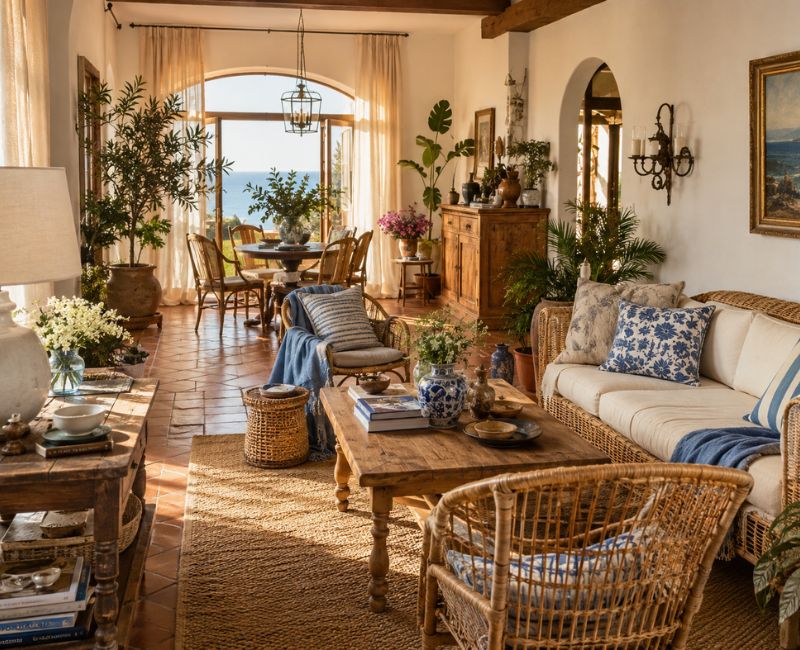
Bohemian design thrives on layered patterns, global textiles, and plants, with mismatched furniture collected over time making it one of the most personal interior design styles to build.
14. Coastal
Coastal interiors evoke breezy shorelines through soft blues, sandy neutrals, and weathered wood. Linen slipcovers and rattan keep the mood relaxed, suiting beach houses or a permanent vacation feel.
15. Mediterranean
Mediterranean style draws from sun soaked coastal Europe, using terracotta tile, wrought iron, and warm stucco tones with carved wood furniture. It suits warm climates and sun filled rooms.
16. French Country
French Country mixes rustic wood furniture with romantic florals, muted pastels, and toile fabric for old world charm. It suits those wanting elegance with a relaxed, countryside feel.
17. English Country
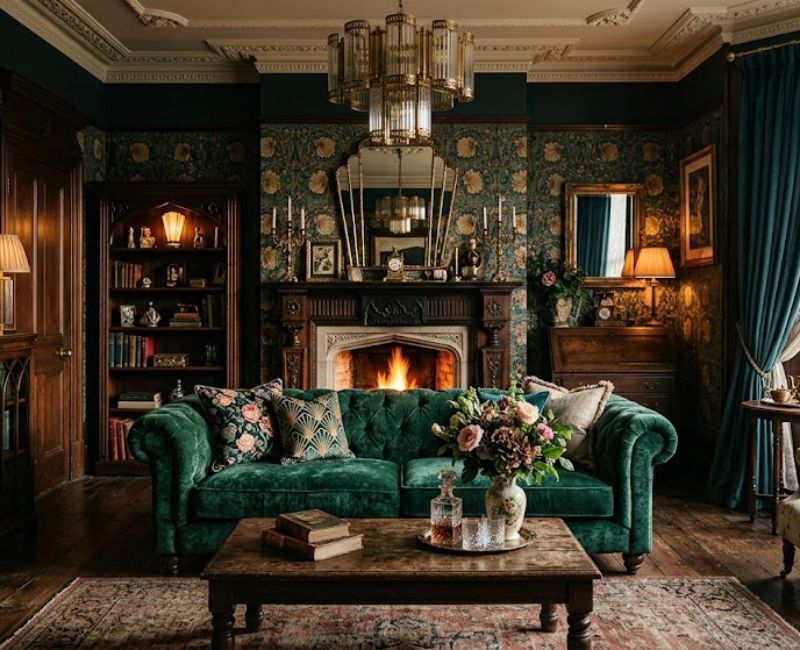
English Country layers chintz fabrics, antique furniture, and rich jewel tones into a cozy look, with fireplaces and worn leather adding warmth. It suits lovers of a storied, heritage filled interior.
18. Art Deco
Art Deco celebrates glamour through geometric patterns, bold metallics, and lacquered surfaces in rich jewel tones. Among interior design styles, it stands out for unapologetic drama.
19. Art Nouveau
Art Nouveau favors flowing, organic lines inspired by nature, seen in curved furniture, stained glass, and floral motifs in muted greens and golds. It suits lovers of artistic, handcrafted detail.
20. Victorian
Victorian interiors are ornate and layered, featuring dark wood, heavy drapery, and elaborate wallpaper, with plush, formal furniture. It suits historic homes and lovers of dramatic detail.
21. Gothic
Gothic style leans into dramatic contrast dark wood, wrought iron, and rich velvet upholstery with candle style lighting. It suits those drawn to moody, theatrical spaces.
22. Shabby Chic
Shabby chic softens vintage furniture with distressed white or pastel finishes and floral fabrics. It suits romantics who love a worn, feminine look.
Interior Styles Compared at a Glance
The comparison below highlights how color, material, and furniture choices shift dramatically between a few standout interior design styles.
| Style | Color Palette | Materials | Furniture Look | Ideal Atmosphere |
| Coastal | Blue, white, sand | Linen, rattan | Relaxed, slipcovered | Breezy and calm |
| Art Deco | Emerald, gold, black | Lacquer, mirror, brass | Geometric, glossy | Glamorous and bold |
| Victorian | Deep red, navy, gold | Dark wood, velvet | Ornate, formal | Rich and dramatic |
| Wabi-Sabi | Earthy neutrals | Clay, raw wood | Imperfect, handmade | Quiet and grounded |
| Maximalist | Vibrant, mixed hues | Varied textures | Layered, eclectic | Energetic and expressive |
| Southwestern | Terracotta, turquoise | Adobe, leather | Sturdy, woven | Warm and earthy |
Bold, Eclectic, and Statement-Making Interior Design Styles
23. Cottage
Cottage style feels intimate and charming, with floral fabrics, painted wood furniture, and soft pastels. It suits small homes wanting a cozy, storybook feel.
24. Wabi Sabi
Wabi-sabi embraces imperfection, using raw materials, handmade textures, and a muted, earthy palette with simple, unpolished furniture. It suits those seeking calm, mindful spaces.
25. Eclectic
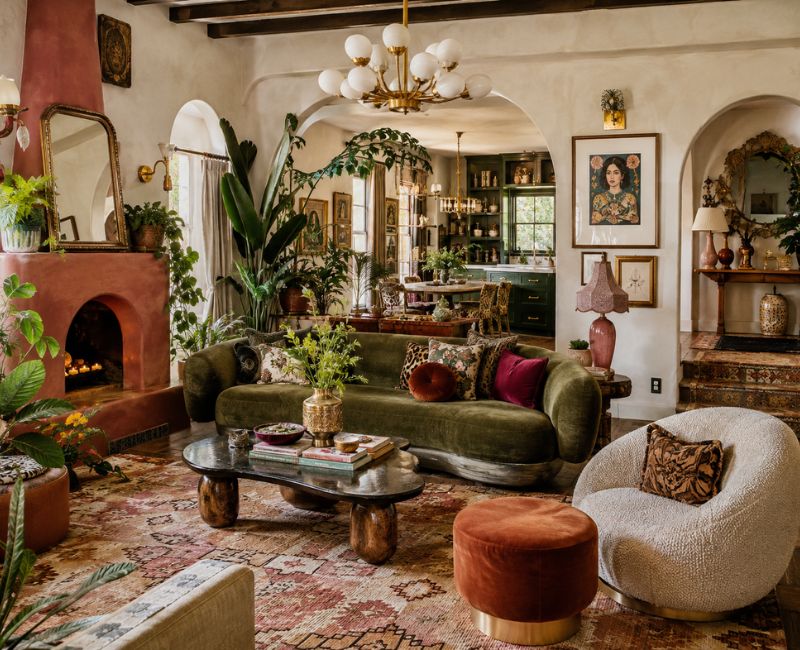
Eclectic design intentionally mixes eras, patterns, and materials into a curated whole, proving that interior design styles don’t have to be followed rigidly. Unity comes from a repeated color or texture.
26. Maximalist
Maximalism rejects restraint, layering bold colors, patterns, and collected objects across every surface, with vibrant furniture mixed in scale. It suits homeowners who see decorating as self-expression.
27. Hollywood Regency
Hollywood Regency channels old-world glamour through glossy lacquer, mirrored surfaces, and jewel-toned velvet with gold accents. It suits those wanting a luxurious, theatrical interior.
28. Organic Modern
Organic modern softens minimalism with natural materials, curved furniture, and warm neutral tones, replacing hard edges with wood, stone, and linen. It suits homeowners wanting a serene, nature connected space.
29. Biophilic
Biophilic design centers on connecting interiors to nature through abundant plants, natural light, and organic materials like wood and stone. It suits wellness focused homeowners.
30. Southwestern
Southwestern style draws from desert landscapes, using terracotta, turquoise, and woven textiles alongside leather and wrought iron. It suits warm-climate homes wanting earthy character.
How to Choose the Right Interior Design Style
Picking from so many interior design styles can feel overwhelming, but a few factors narrow the choice quickly. Consider your natural light, since dark rooms often suit warmer, cozier styles while bright rooms handle bold contrast well. Factor in room size, existing furniture you want to keep, and a realistic budget. Lifestyle matters too busy households may prefer low-maintenance materials over delicate antiques. Finally, look at your home’s architecture, since a mid-century house naturally leans toward different interior design styles than a Victorian one. You don’t need a major renovation to change your home’s aesthetic these affordable home decor ideas can help you update colors, accessories, and furniture without overspending.
Frequently Asked Questions
What is the easiest interior design style to start with?
Minimalist and Scandinavian are typically the easiest interior design styles to start with, since they rely on decluttering rather than acquiring new pieces. Neutral colors and simple furniture also make small mistakes less noticeable.
Can I mix two different interior design styles?
Yes many well-designed homes blend two complementary interior design styles, such as mid-century modern with Scandinavian. The key is choosing a shared color palette or material to tie the mix together.
How do I figure out my home’s natural design style?
Look at the furniture and colors you’re already drawn to in magazines or online boards, since patterns usually emerge quickly. Your home’s existing architecture also offers strong clues.
Which design style works best in a small home?
Minimalist, Scandinavian, and Japandi styles tend to work best in small spaces since they favor light colors, low profile furniture, and minimal clutter, which visually expands a room.
What’s the real difference between modern and contemporary design?
Modern design refers to a specific historical period with fixed characteristics, while contemporary design shifts alongside current trends and often borrows elements from several interior design styles at once.
How can I update my home’s style without replacing everything?
Swap smaller elements first, like lighting, textiles, and wall color, before investing in new furniture. Paint, hardware, and accessories can shift a room’s entire mood affordably.
Conclusion
From the pared-back calm of minimalism to the layered richness of maximalism, this look at thirty interior design styles shows just how many ways there are to shape a home. No single approach is objectively correct, and many of the most comfortable homes borrow from more than one aesthetic rather than following a strict rulebook.
The best starting point is simply noticing what already feels right, whether that’s a favorite color, a cherished piece of furniture, or a mood you want every room to carry. Use these interior design styles as a flexible reference, and let your own taste guide the final result.

Welcome to Cozy Escape Hub! I am Muhammad Hassaan, an AI Powered SEO and content writer with a 2 years of experience.
I help websites rank higher, grow traffic , and look amazing. My goal is to make SEO and web design simple and effective for everyone. Let’s achieve more together!