
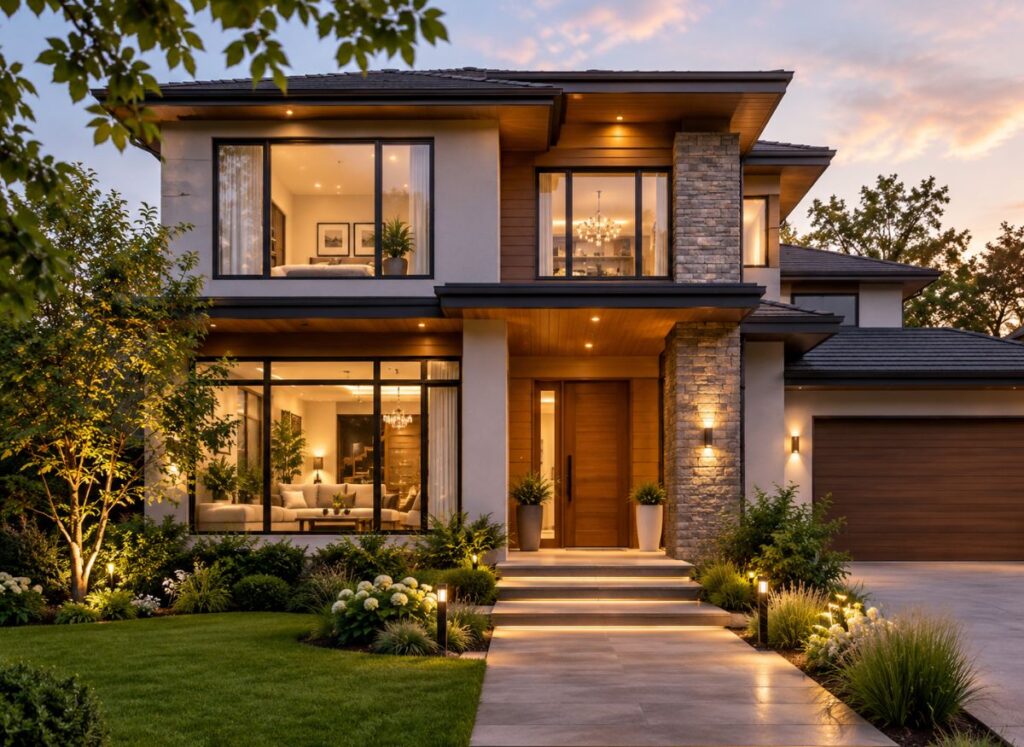
Every home evolves over time, and even small changes can make a noticeable difference in how a space feels and functions. Whether you’re settling into a new house or simply looking to breathe new life into a space you’ve lived in for years, exploring fresh home improvement ideas can help you create a home that feels more comfortable, more organized, and more reflective of your personal style. The best part is that meaningful upgrades don’t always require a massive budget or months of construction sometimes the smartest changes are the simplest ones.
This guide walks through practical, achievable improvements that touch on comfort, storage, lighting, design, and safety, so you can approach your next project with confidence. From quick weekend fixes to longer-term investments, these home improvement ideas are designed to help homeowners at every stage make thoughtful decisions about where to focus their time and money.
Budget Friendly Upgrades That Make a Real Difference
You don’t have to spend a fortune to make meaningful improvements to your home. Some of the most noticeable changes come from small, affordable updates that homeowners often overlook.
Paint, Hardware, and Small Swaps
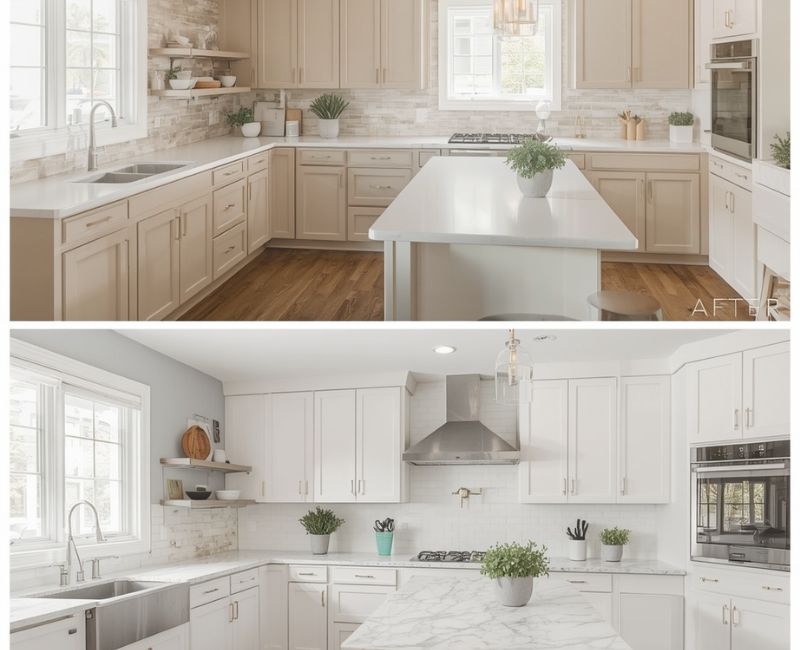
Applying a new layer of paint is still one of the easiest and most affordable ways to give a room a completely refreshed look. Choosing a modern, neutral palette can instantly make a space feel larger, brighter, and more current. Similarly, swapping out dated cabinet handles, light switch covers, or door hinges can update the look of a kitchen or bathroom without touching the layout at all.
Other budget-friendly changes include:
- Replacing worn out faucets with updated fixtures
- Adding removable wallpaper for an accent wall
- Reupholstering a single statement chair instead of buying new furniture
- Installing new baseboards or trim for a cleaner finish
These smaller projects are excellent starting points for anyone new to home improvement, since they require minimal tools and can typically be completed in a single afternoon.
Improving Everyday Comfort and Functionality
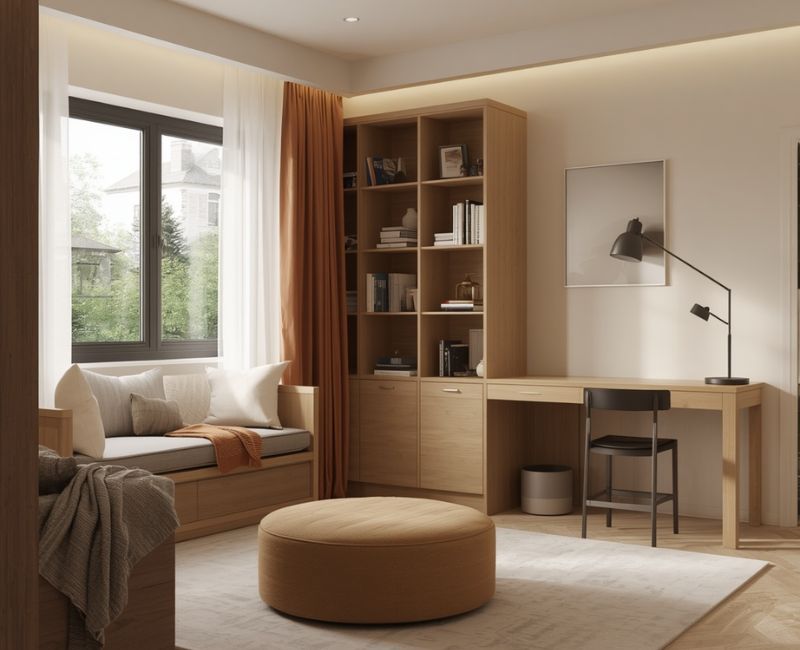
A house can look beautiful and still feel impractical if it doesn’t support daily routines. Improving comfort often starts with rethinking how a space is used rather than how it looks.
Rearranging furniture to improve traffic flow, adding a reading nook near natural light, or installing blackout curtains in a bedroom are all small adjustments that can significantly improve quality of life. For homes with limited square footage, multi-purpose furniture such as ottomans with hidden storage or fold-down desks can make a room feel more functional without requiring structural changes.
Comfort focused improvements are particularly valuable in shared spaces like living rooms, where seating arrangements, sound insulation, and temperature control all play a role in how relaxing the space feels.
Smart Storage Solutions Worth Considering
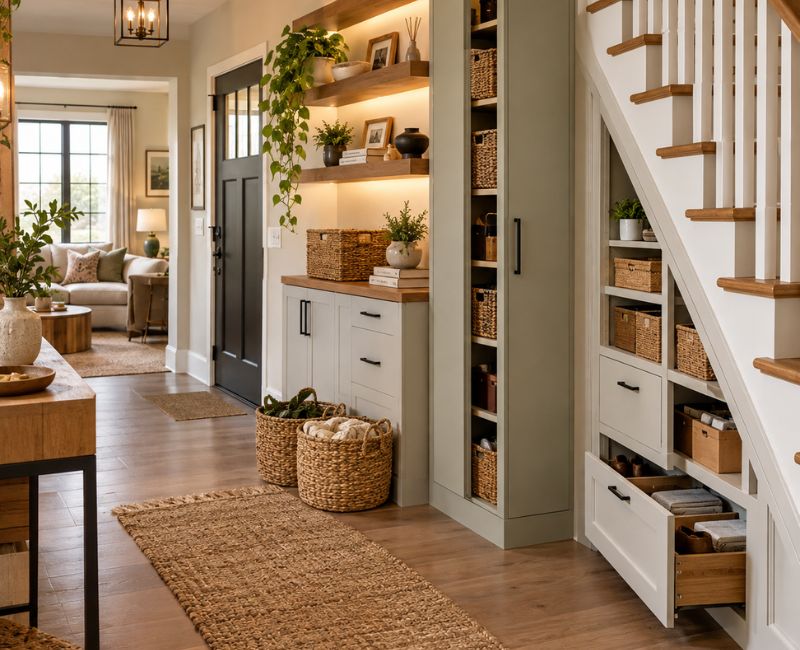
Clutter is one of the most common complaints homeowners have, and it’s rarely solved by simply buying more furniture. Instead, smart storage solutions focus on using existing space more efficiently.
Vertical storage is often underused. Wall mounted shelving, over-the-door organizers, and tall, narrow cabinets can add significant storage without taking up floor space. In kitchens, pull-out drawers and lazy Susans make better use of corner cabinets that are otherwise difficult to access.
| Improvement | Main Benefit | Difficulty | Budget Level | Best For |
| Wall-mounted shelving | Adds storage without floor space | Easy | Low | Living rooms, kitchens |
| Under-stair storage build-out | Maximizes unused space | Moderate | Medium | Hallways, entryways |
| Closet organizer system | Improves accessibility | Easy | Low–Medium | Bedrooms |
| Built-in cabinetry | Custom, seamless storage | Difficult | High | Kitchens, home offices |
| Garage overhead racks | Frees up floor space | Moderate | Low Medium | Garages, utility rooms |
Choosing the right storage upgrade often depends on the size of the room, how frequently items are accessed, and how much disruption a homeowner is willing to tolerate during installation.
Lighting Upgrades That Instantly Transform a Room
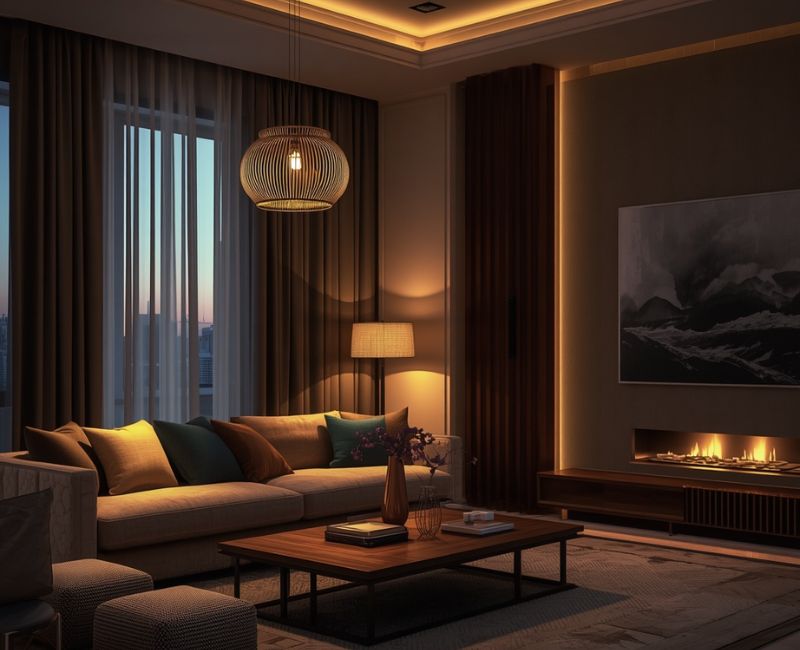
Lighting has a bigger impact on a home’s atmosphere than many people realize. Poor lighting can make even a well designed room feel flat, while thoughtful layering of light sources can make a space feel warm and inviting.
A well-lit room typically combines three types of lighting: ambient (overall room lighting), task (focused lighting for specific activities), and accent (decorative lighting that highlights features like artwork or architecture). Adding dimmer switches is one of the easiest home improvement ideas for controlling mood and energy use at the same time, since it allows brightness to be adjusted based on the time of day or activity.
Pendant lights over kitchen islands, under cabinet LED strips, and updated bathroom vanity lighting are all popular upgrades that combine style with practicality. For outdoor spaces, motion-sensor lighting near entryways adds both convenience and an extra layer of security.
Wall and Room Upgrades for a Fresh Look
Walls are often the largest visual surface in any room, which makes them a natural focus for updates. Beyond paint, homeowners can consider textured finishes, wood paneling, or decorative molding to add depth and character.
Accent walls remain popular because they allow for bold design choices without overwhelming an entire room. Board and batten trim, for example, adds a classic, tailored look to bedrooms and hallways, while peel-and-stick tile backsplashes offer a quick way to update kitchens and bathrooms without the mess of traditional tiling.
When planning wall or room upgrades, it helps to consider the room’s natural light, existing furniture colors, and how the space connects to adjoining rooms, so the final result feels cohesive rather than disjointed.
Energy Efficient Improvements Worth the Investment
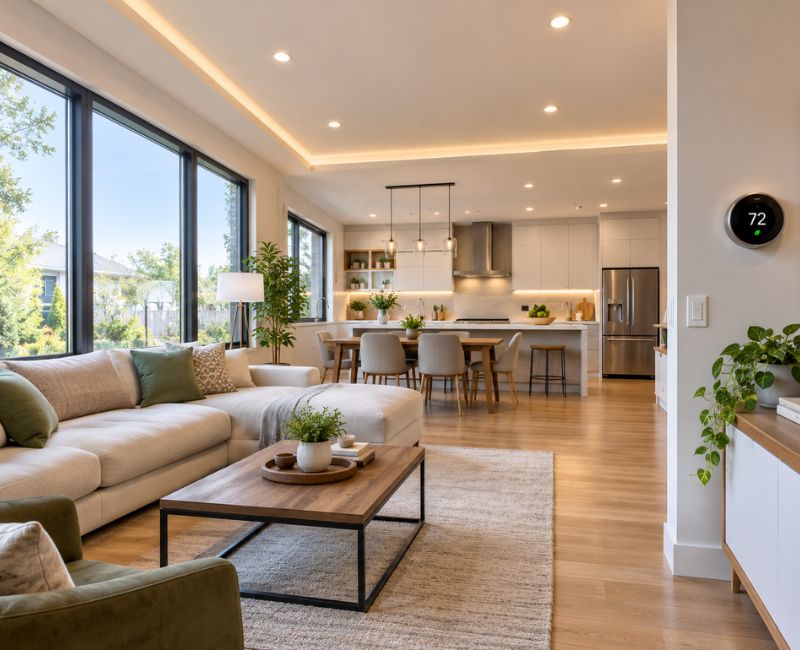
Reducing energy use isn’t just good for the environment it also lowers monthly utility costs over time. Sealing drafts around windows and doors, upgrading insulation, and switching to LED bulbs are all relatively simple projects with a meaningful long-term payoff.
Smart thermostats have become one of the more popular home improvement ideas in recent years, since they allow homeowners to automate heating and cooling schedules based on daily routines. Similarly, upgrading to double-pane windows can noticeably reduce heat loss, though this tends to be a larger investment best suited for homeowners planning to stay in a property long term.
| Feature | Traditional Approach | Smart Home Upgrade | Typical Cost Difference |
| Thermostat | Manual dial or basic digital | App controlled, learning thermostat | Moderate increase |
| Lighting | Standard wall switches | Smart bulbs with scheduling/app control | Low to moderate increase |
| Door locks | Traditional deadbolt | Keyless smart lock | Moderate increase |
| Security | Standalone cameras | Connected, app monitored systems | Higher upfront cost |
Deciding between traditional and smart upgrades often comes down to how much a household values automation and remote control versus simplicity and lower upfront cost.
DIY Friendly Projects for Confident Beginners
Not every improvement requires hiring a contractor. Many home improvement ideas are approachable for beginners with basic tools and a willingness to follow instructions carefully.
Good starter projects include:
- Installing floating shelves
- Refinishing furniture with paint or stain
- Replacing a bathroom faucet
- Building a simple raised garden bed
- Installing a tiled backsplash
Before starting any DIY project, it’s worth researching the specific steps involved, gathering the correct tools in advance, and setting realistic expectations for how long the project will take. Rushing through unfamiliar tasks is one of the most common reasons DIY projects don’t turn out as planned.
Safety Considerations Before You Start Any Project
Safety should never be an afterthought, even for projects that seem simple. Basic precautions such as turning off electricity before working near outlets, using proper ventilation when painting, and wearing protective eyewear during cutting or drilling can prevent avoidable injuries.
For larger projects involving electrical wiring, plumbing, or structural changes, it’s generally safer and more cost-effective in the long run to consult a licensed professional rather than attempting the work independently. Permits may also be required for certain renovations, so checking local building codes before starting is a worthwhile step.
Staying Organized Throughout a Renovation
Home improvement projects, even small ones, can quickly become overwhelming without a clear plan. Creating a simple checklist, setting a realistic timeline, and keeping receipts and warranty information in one place can prevent unnecessary stress.
For larger projects, breaking the work into phases such as planning, purchasing materials, and execution helps homeowners avoid feeling stuck partway through. Setting aside a dedicated space for tools and materials also reduces clutter and keeps the work area safer.
Modern Design Touches That Elevate Any Space
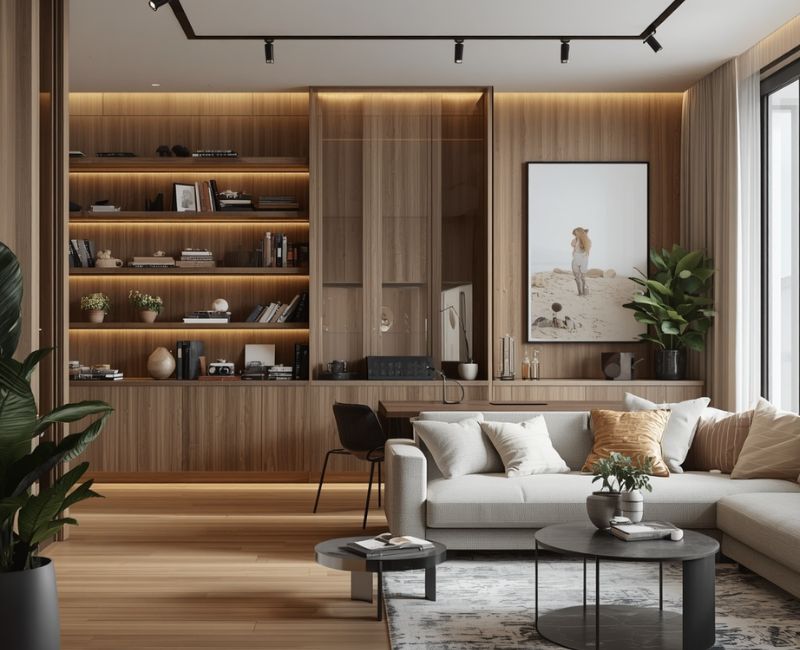
Small design details often have an outsized impact on how polished a home feels. Matte black fixtures, mixed-metal accents, and natural materials like wood and stone continue to be popular choices for homeowners looking to modernize without a full renovation.
Open shelving in kitchens, minimalist hardware, and curated gallery walls are additional touches that can make a home feel intentional rather than cluttered. When incorporating trends, it helps to balance them with timeless elements so the space doesn’t feel dated within a few years.
Room by Room Home Improvement Ideas
Different rooms benefit from different priorities. In kitchens, focus often falls on storage and lighting. In bathrooms, ventilation and fixture updates matter most. Bedrooms benefit from comfort-driven changes like better lighting control and improved closet organization, while outdoor spaces often see the biggest transformation through updated lighting, seating areas, and low-maintenance landscaping.
Approaching each room individually, rather than trying to overhaul an entire home at once, allows for more thoughtful decisions and a more manageable budget.
Frequently Asked Questions
How to Make Your Home Feel Cozy on a Budget?
Focus on layered lighting, soft textiles like throw blankets and rugs, and warm, neutral paint tones. Adding curtains, houseplants, and a few well placed accent pillows can make a room feel warmer without a large financial investment.
Best Safety Gear for Home Projects and DIY Work?
Basic safety essentials include protective eyewear, work gloves, a dust mask or respirator for sanding and painting, and ear protection when using power tools. A sturdy step ladder and proper lighting in the work area also reduce the risk of accidents.
How to Stay Organized Working From Home?
Creating a dedicated workspace, using vertical storage for files and supplies, and keeping cables managed with organizers can help maintain focus. Establishing daily routines and decluttering the desk area regularly also supports long term productivity.
How Much Should Homeowners Budget for a Small Home Improvement Project?
Costs vary widely depending on materials and labor, but smaller cosmetic updates like paint or hardware swaps typically cost far less than structural changes. Setting a clear budget in advance and adding a buffer for unexpected costs is generally recommended.
Which Home Improvements Add the Most Value Before Selling?
Renovating key areas such as the kitchen and bathroom, refreshing walls with new paint, enhancing the exterior appearance, and adding energy-saving features can make a home more appealing to potential buyers. Buyers often respond well to clean, updated, and well-maintained spaces over highly personalized design choices.
How Often Should Homeowners Plan for Home Maintenance and Upgrades?
Routine maintenance, such as checking HVAC filters or inspecting for leaks, should happen a few times a year. Larger upgrades are typically planned every few years based on wear, changing needs, or evolving design preferences.
Final Thoughts
Improving a home doesn’t have to mean tackling everything at once. Whether the goal is better storage, improved lighting, a more energy efficient space, or simply a fresher look, small and thoughtful changes tend to add up to meaningful results over time. Prioritizing projects based on comfort, safety, and long-term value makes it easier to see steady progress without feeling overwhelmed.
By approaching each room with intention and choosing upgrades that fit both lifestyle and budget, homeowners can create spaces that feel more functional and more personal. With a bit of planning and the right priorities, even modest updates can make a home feel noticeably more comfortable and well designed.

Welcome to Cozy Escape Hub! I am Muhammad Hassaan, an AI Powered SEO and content writer with a 2 years of experience.
I help websites rank higher, grow traffic , and look amazing. My goal is to make SEO and web design simple and effective for everyone. Let’s achieve more together!