

Most household emergencies begin as small, easy-to-ignore problems: a slow drip under the sink, a gutter packed with leaves, a furnace filter nobody has checked in a year. Regular home maintenance catches these issues while they are still inexpensive to fix. It also keeps a house safer, more comfortable, and more valuable over time.
This guide explains The Home Trotters Home Maintenance Tips in practical terms. You will learn how to build a routine, what to check each month and season, which systems deserve extra attention, how to budget, and when to call a professional instead of picking up a wrench.
Why Regular Home Maintenance Matters
Home upkeep is the steady work of inspecting, cleaning, and repairing a property before ordinary wear becomes damage. It is not glamorous, but it protects your investment better than most renovations.
Small Problems Grow Quietly
Water causes many of the costliest surprises. A cracked caulk line around a tub or a missing shingle can let moisture into a wall for months before a stain appears. By then, the job may involve drywall and insulation instead of a small replacement part.
Safety and Long-Term Value
Working smoke and carbon monoxide alarms, secure handrails, and sound wiring are basic household maintenance, not optional extras. Well-kept homes also tend to move through a home inspection with fewer unpleasant findings, which matters if you ever sell.
Building a Home Maintenance Routine That Sticks
Start With a Walk-Through Checklist
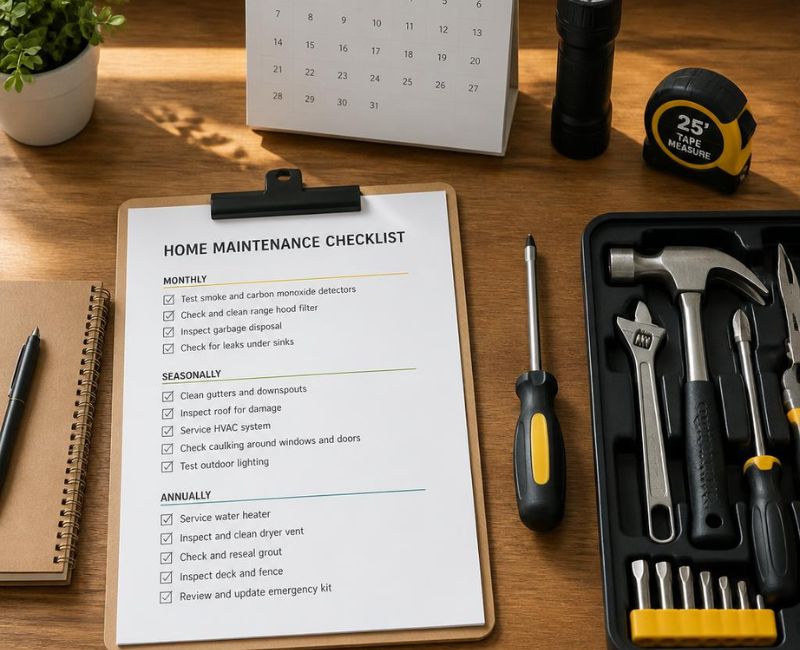
Walk through the property with a notebook and list every major system: plumbing, electrical, heating and cooling, roof, and appliances. Note each system’s age and last service date. That list becomes your home maintenance checklist and the foundation of a realistic home maintenance schedule.
Organize Tasks So Nothing Slips
The Home Trotters Home Maintenance Tips work best when they are tied to fixed reminders rather than good intentions. Put recurring jobs in a phone calendar, group them as monthly, seasonal, or annual, and keep warranties, receipts, and contractor contacts in one folder. If several people share the home, assign each task an owner.
Monthly Home Maintenance Tasks
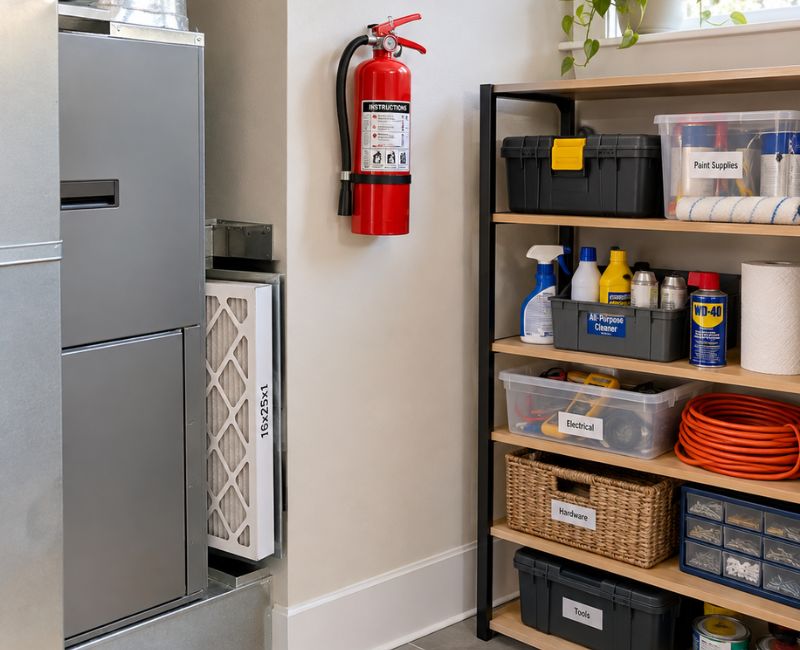
Monthly home maintenance should feel like a quick inspection lap, not a weekend marathon. The Home Trotters Home Maintenance Tips recommend keeping the list short enough to finish in an hour or two:
- Test smoke and carbon monoxide alarms.
- Check HVAC filters and replace any that look clogged.
- Check beneath sinks and near toilets for any signs of moisture or leaks.
- Run water in rarely used drains to keep the traps filled.
- Clean range hood and dishwasher filters.
- Check the gauge on your fire extinguisher.
- A consistent maintenance routine can also make larger home improvement projects easier to plan and manage.
Seasonal Home Maintenance: What to Do and When

Seasonal home maintenance covers jobs that depend on the weather, so timing matters as much as the task itself.
Spring and Summer
After winter, inspect the roof from the ground, clear the gutters, service the air conditioner, and look for new foundation cracks. In summer, repair window screens, check exterior caulking, clean dryer vents, and reseal wooden decks before sun damage sets in.
Fall and Winter
In fall, clean the gutters again, schedule furnace service, seal drafts, disconnect garden hoses, and have the chimney inspected. Winter shifts the focus to insulating exposed pipes, watching for ice dams, keeping vents clear, and testing the sump pump before a heavy thaw.
Plumbing, Electrical, and HVAC Checks
Plumbing and Water-Related Checks
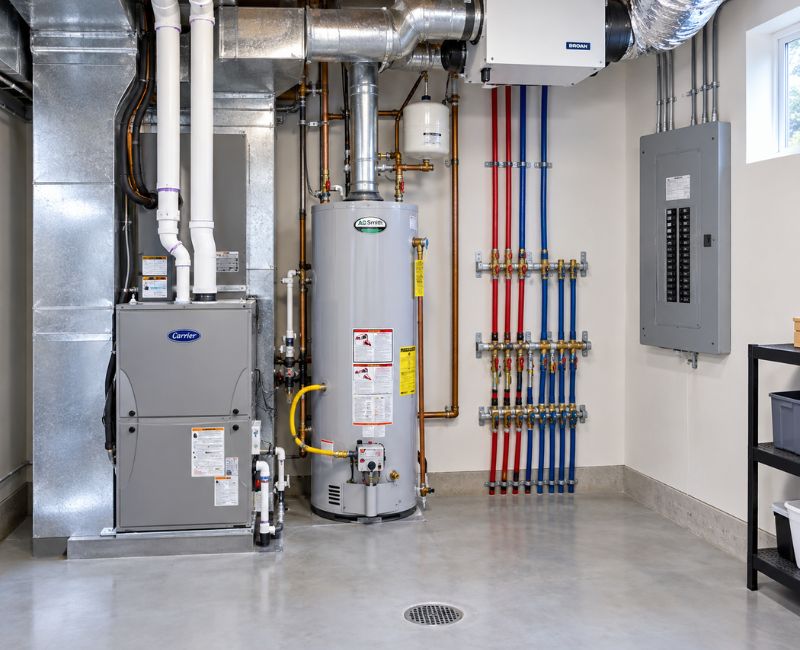
Plumbing maintenance starts with knowing where your main shutoff valve is. Check faucets, supply lines, and toilet bases for leaks, and note slow drains early. You can also watch the water meter while everything is off to spot hidden leaks. The Home Trotters Home Maintenance Tips treat unexplained wet spots or musty smells as urgent, because concealed leaks worsen quickly.
Electrical and Lighting Checks
Press the test button on GFCI outlets monthly, replace flickering bulbs, and avoid overloading power strips. Warm outlets, buzzing switches, or breakers that trip repeatedly call for an electrician, not guesswork.
HVAC and Ventilation
HVAC maintenance mostly means clean filters, unblocked vents, and a yearly professional tune-up for heating and cooling equipment. Also confirm that bathroom fans and kitchen hoods actually vent outdoors, since poor ventilation invites mold.
Roof, Gutters, Doors, and Windows
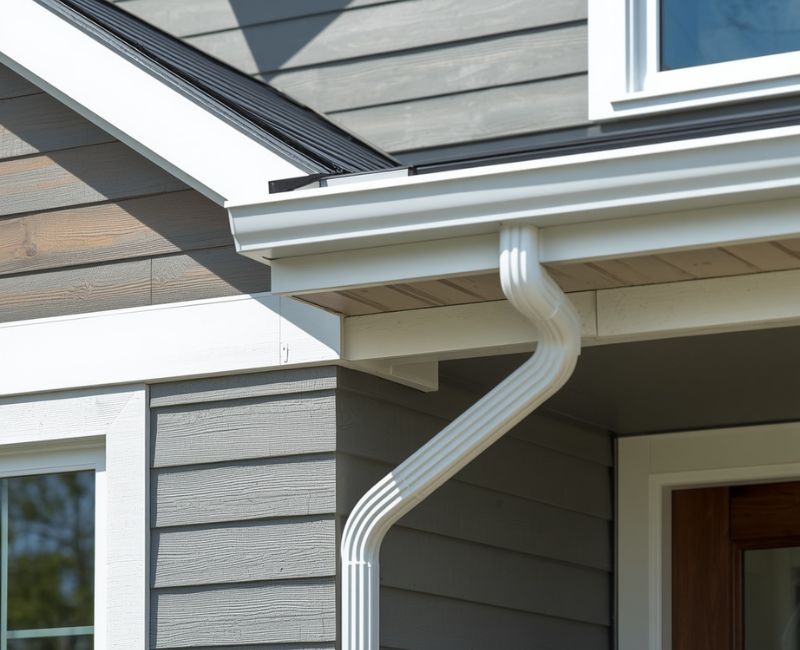
Roof maintenance is largely observation, and The Home Trotters Home Maintenance Tips start with a careful look from the ground using binoculars. Watch for cracked, curled, or missing shingles and damaged flashing around chimneys and vents. Gutter cleaning keeps water moving away from the foundation, so make sure downspouts discharge several feet from the house.
For doors and windows, check weatherstripping, lubricate hinges and tracks, and re-caulk gaps. Drafts waste energy, and soft wood near a frame can signal hidden moisture.
Maintenance Reference Table
| Task | Frequency | Why it matters | Warning signs |
| HVAC filter check | Monthly | Protects airflow and efficiency | Visible dust buildup, weak airflow |
| Smoke and CO alarm test | Monthly | Ensures early warning | Chirping, no response to test button |
| Gutter cleaning | Spring and fall | Prevents overflow and water damage | Sagging gutters, overflow, stains on siding |
| Water heater flush | Yearly | Reduces sediment buildup | Rumbling noises, discolored hot water |
| Roof inspection | Twice a year | Catches leaks early | Missing shingles, ceiling stains |
| Dryer vent cleaning | Yearly | Lowers fire risk | Long drying times, unusually hot laundry room |
| Caulk and seal check | Yearly | Blocks moisture and drafts | Cracks, gaps, mildew |
Walls, Ceilings, Floors, and Fixtures
Interior home care is where early warnings show up. Watch ceilings for stains, walls for new cracks, and floors for soft spots or lifting boards. Patch small holes and repaint promptly so moisture cannot creep in. Tighten loose cabinet pulls, door handles, and towel bars before they pull free from the wall. For additional practical home improvement ideas, you can also explore ways to improve and maintain interior spaces.
Kitchen and Bathroom Maintenance
Kitchens and bathrooms take the most abuse, so The Home Trotters Home Maintenance Tips give them a dedicated routine. In the kitchen, vacuum the refrigerator coils, wipe door gaskets, run a cleaning cycle in the dishwasher, and keep grease out of the drains.
In the bathroom, re-caulk tubs and showers when the seal cracks, scrub grout, and descale showerheads and faucet aerators. Appliance maintenance is often as simple as reading the manual once and following its cleaning schedule.
Exterior Home Care Beyond the Roof
Grade the soil so it slopes away from the foundation, trim branches back from the roof and siding, and repaint or repair trim where paint is peeling. Inspect driveways, walkways, and fences for cracks, and fix them before freeze-thaw cycles widen the damage.
Preventive Maintenance vs. Reactive Repairs
Preventive maintenance is scheduled care that keeps systems healthy, while reactive repairs happen after something fails. The Home Trotters Home Maintenance Tips favor prevention because it gives you control over both timing and cost.
| Factor | Preventive maintenance | Reactive repairs |
| Timing | Scheduled in advance | After a failure, often at a bad moment |
| Cost control | Predictable and spread across the year | Unpredictable and often higher |
| Problem detection | Finds issues early | Problems noticed once damage is visible |
| Long-term impact | Extends the life of systems | Can shorten lifespan and cause secondary damage |
| Convenience | Planned around your schedule | Disrupts routines, often needs emergency service |
| Example | Flushing the water heater, clearing gutters | Replacing water-damaged drywall after a burst pipe |
Some breakdowns are unavoidable, but consistent preventive repairs make them far less frequent.
Commonly Overlooked Maintenance Tasks
Even careful owners miss a few jobs: cleaning dryer vents, testing the sump pump, flushing the water heater, replacing smoke alarms that are about ten years old, and checking the attic for moisture or pests. Write them on the calendar with actual dates, and they stop being forgotten.
Creating a Realistic Home Maintenance Budget
A common rule of thumb is to set aside one to two percent of a home’s value each year for maintenance costs, though older homes and harsh climates may need more. The Home Trotters Home Maintenance Tips suggest dividing the yearly total by twelve and moving that amount into a dedicated savings account each month.
Separate routine expenses, such as filters, caulk, and light bulbs, from big-ticket reserves for a roof, water heater, or HVAC replacement. Reviewing actual spending after the first year will show you how close your estimate was.
DIY or Professional? Knowing Where to Draw the Line
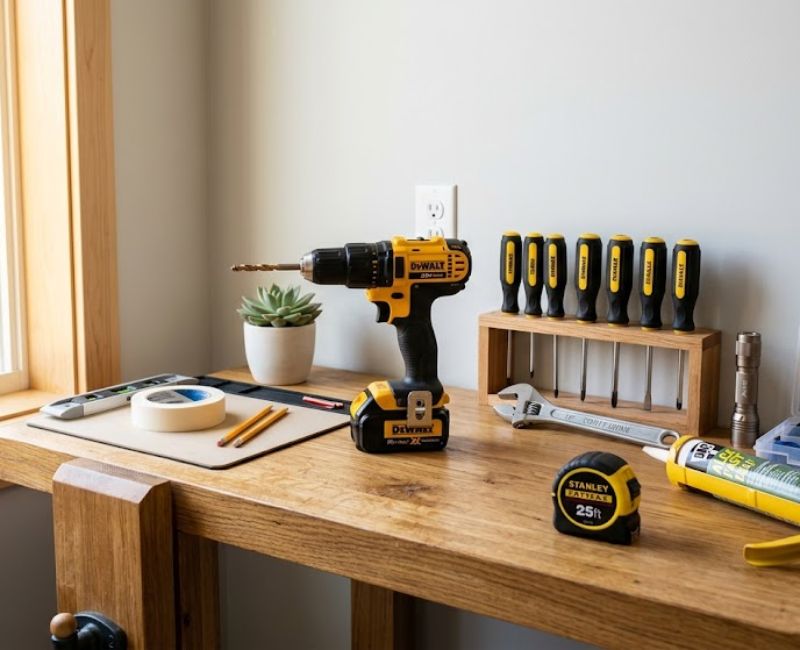
DIY home maintenance suits low-risk tasks: replacing filters, cleaning gutters from a stable ladder, re-caulking, tightening fixtures, and patching small drywall holes. Bring in professional home repairs for gas lines, the main electrical panel, structural cracks, work at roof height, or leaks that keep returning. The Home Trotters Home Maintenance Tips draw the line at safety: if a mistake could cause fire, flooding, or injury, hire a licensed professional.
Frequently Asked Questions About Home Maintenance
How Do I Clean Hard-to-Reach Home Fixtures?
Turn off the power first, then use an extendable microfiber duster for ceiling fans and high light fixtures. Remove glass covers and wash them in warm, soapy water, and use a vacuum brush attachment on vents and recessed lights. Always use a sturdy step stool rather than a chair, and repeat the job quarterly.
What Home Maintenance Tasks Do Most People Forget About?
Common misses include testing the garage door’s auto-reverse feature, cleaning washing machine and dishwasher filters, exercising the main water shutoff valve, and draining outdoor faucets before freezing weather. Chimneys and fireplaces also need periodic inspection.
How Much Should I Budget for Monthly Home Maintenance?
Many homeowners plan for one to two percent of the home’s value per year, divided by twelve. On a $300,000 home, that is roughly $250 to $500 a month. Adjust upward for older properties, and refine the figure after tracking a full year of expenses.
How Often Should I Schedule a Professional Home Inspection?
A maintenance-focused inspection every few years is reasonable, plus one after severe storms or when you notice new cracks or moisture. Annual HVAC service and periodic chimney or septic checks, where they apply, are separate.
How Can I Tell Whether a Water Stain Is an Active Leak?
Feel the area for dampness or softness, and note whether the stain has rings that grow. Mark its edge in pencil and check again after a day or two, and compare its changes with rain or plumbing use. A growing stain calls for a plumber or roofer.
What Basic Tools Should Every Homeowner Keep on Hand?
A cordless drill, screwdrivers, an adjustable wrench, a plunger, a tape measure, a stud finder, a voltage tester, a flashlight, and a caulk gun cover most small jobs. Keep spare filters, bulbs, and a labeled breaker panel as well.
Conclusion
Good home care comes down to a few principles: inspect regularly, fix small problems quickly, schedule seasonal work, and set money aside before you need it. Whether the task is clearing a gutter or testing an alarm, catching it early keeps repairs smaller and the house safer.
The easiest approach is often the most effective. Put The Home Trotters Home Maintenance Tips on your calendar, start with this month’s short list, and add seasonal jobs as they arrive. Twenty minutes of consistent care beats a costly emergency, and your home will reward you for it.

Welcome to Cozy Escape Hub! I am Muhammad Hassaan, an AI Powered SEO and content writer with a 2 years of experience.
I help websites rank higher, grow traffic , and look amazing. My goal is to make SEO and web design simple and effective for everyone. Let’s achieve more together!