

Handmade projects can turn ordinary materials into something people genuinely want to keep. Inventive LWMF Crafts take that idea further by pairing simple supplies with clever twists, so even a first-time maker ends up with a piece that looks considered rather than accidental. From textured clay dishes to layered paper shadow boxes, these projects prove that creativity matters more than a big budget.
This guide covers easy DIY projects, the tools worth buying, and the habits that make handmade items look polished. You will also learn which ideas have real selling potential, how to price them fairly, and where to list them online, so you can decide whether Inventive LWMF Crafts stays a relaxing hobby or grows into a small handmade business. Start with projects you finish in an afternoon.
Start With Materials You Already Own
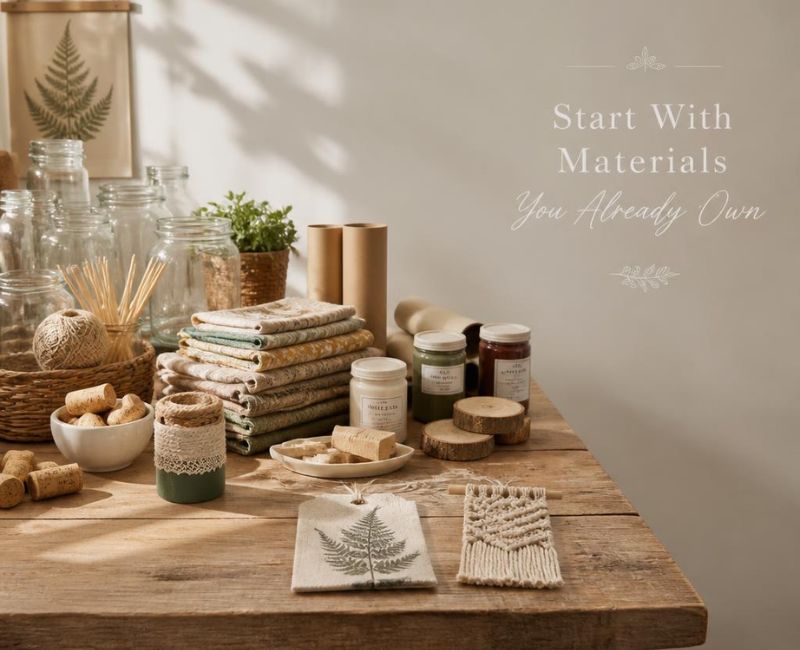
The cheapest craft supplies are the ones already in your home. Glass jars, fabric offcuts, wine corks, cardboard tubes, and leftover paint can all become the base of an affordable craft idea. Starting here lowers the risk of a new hobby and pushes you to think creatively instead of shopping your way to a result.
A useful habit is to keep one bin for “maybe later” materials. When inspiration strikes, you already have a stash of craft materials to test ideas against. Many makers find that limits improve their work, because they cannot follow a pattern step by step and have to solve problems themselves.
Tools and Supplies Worth Buying First
You do not need a full studio. A small core kit handles most beginner crafts: sharp scissors, a self-healing cutting mat, a craft knife, a hot glue gun, a metal ruler, and a set of acrylic paints with a few brushes. Add sandpaper, masking tape, and a clear sealant, and you can finish wood, clay, and paper projects to a clean standard.
Buy mid-range tools rather than the cheapest option. Blunt blades tear paper, weak glue guns leave strings, and flimsy brushes shed bristles into your paint. Spending a little more on three or four key items saves frustration, and it shows in the final product.
Beginner-Friendly Projects That Look Anything but Basic
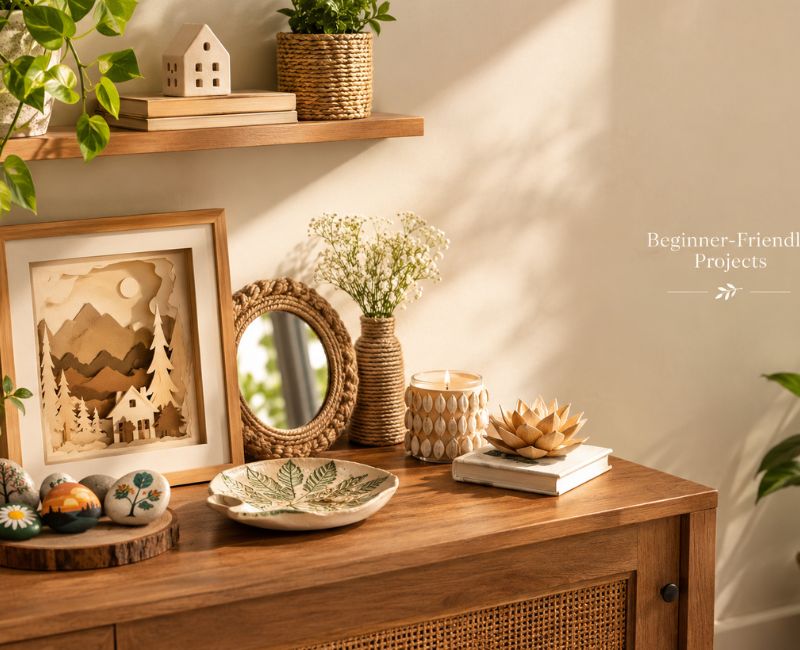
Good beginner crafts share three traits: short build time, forgiving materials, and a result that looks good even with small mistakes. The projects below fit that description, and they sit at the heart of Inventive LWMF Crafts.
Decorative Pieces for Shelves and Walls
Try a layered paper-cut shadow box. Stack three or four sheets of cardstock cut into leaf or wave shapes, space them with foam tape, and backlight them with a small LED strip. Another easy option is a textured clay trinket dish: press a real leaf into air-dry clay, trim the edge, and paint the rim gold. Rope-wrapped mirrors and painted pebble wall art also work well as DIY home decor.
Functional Crafts for Daily Use
Functional crafts earn their place on a desk or kitchen counter. A concrete pen holder cast in a paper cup, a fabric-covered cord organizer, and a set of beeswax-coated food wraps each solve a small daily problem and can also improve home organization. Because people use them often, they also make thoughtful handmade gifts.
Quick Reference: Project Ideas at a Glance
The table below summarizes seven projects that suit Inventive LWMF Crafts and shows what each one asks of you.
| Craft Idea | Difficulty | Basic Materials | Best Use |
| Paper-cut shadow box | Easy | Cardstock, foam tape, LED strip | Bedroom or shelf decor |
| Leaf-print clay dish | Easy | Air-dry clay, acrylic paint, sealant | Jewelry or key tray |
| Painted pebble art | Easy | Smooth stones, paint pens, varnish | Garden accents or small gifts |
| Rope-wrapped mirror | Moderate | Cotton rope, hot glue, round mirror | Entryway accent |
| Concrete pen holder | Moderate | Quick-set cement, paper cup, sealant | Desk organization |
| Beeswax food wraps | Moderate | Cotton fabric, beeswax pellets | Kitchen use |
| Macramé plant hanger | Moderate | Cotton cord, wooden ring | Indoor plant display |
If you are new, start with the easy rows and move up as your hands learn the rhythm of each material.
For more ways to create a stylish bedroom wall, explore these bedroom wallpaper decor ideas alongside your handmade projects.
Smart Material Swaps That Make Handmade Work Stand Out
Material swaps are where Inventive LWMF Crafts separate themselves from standard tutorials. Instead of buying a specialty product, substitute something unexpected: tea-stained paper in place of costly parchment, old denim for sturdy coasters, or driftwood for hanging organizers. These substitutions cut costs, add texture, and give each piece a story buyers remember.
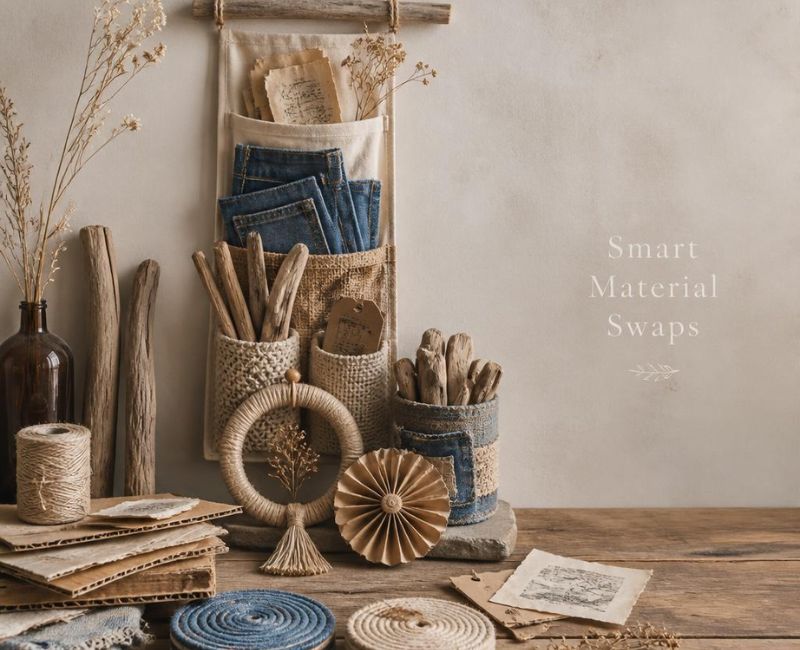
Test every swap on a scrap first. Some paints refuse to stick to glossy surfaces, and some fabrics fray badly once cut. A ten-minute trial can save a nearly finished piece from being ruined.
Craft Types Compared Before You Commit
Not every craft deserves the same investment. Before you build a product line, compare how different categories perform on cost, effort, and sales potential. Creative handmade projects can lean in many directions, and the comparison helps you pick the one that fits your budget and patience.
| Craft Type | Cost to Make | Time per Item | Selling Potential | Best For |
| Candles and wax melts | Low to medium | 1–2 hours | Steady, with repeat buyers | Gift shoppers |
| Resin coasters and trays | Medium | 3–5 hours with curing | Strong when colors are custom | Home decor buyers |
| Embroidered hoops | Low | 2–4 hours | Moderate, niche audience | Personalized gifts |
| Macramé wall hangings | Low to medium | 3–6 hours | Moderate to strong | Boho and modern interiors |
| Paper goods and cards | Very low | 20–40 minutes | Moderate, volume-driven | Seasonal sales |
These figures are rough estimates and shift with materials and skill. Quick, low-cost crafts reward volume, while slower, detailed pieces reward higher prices.
Choosing Crafts That Have Market Demand
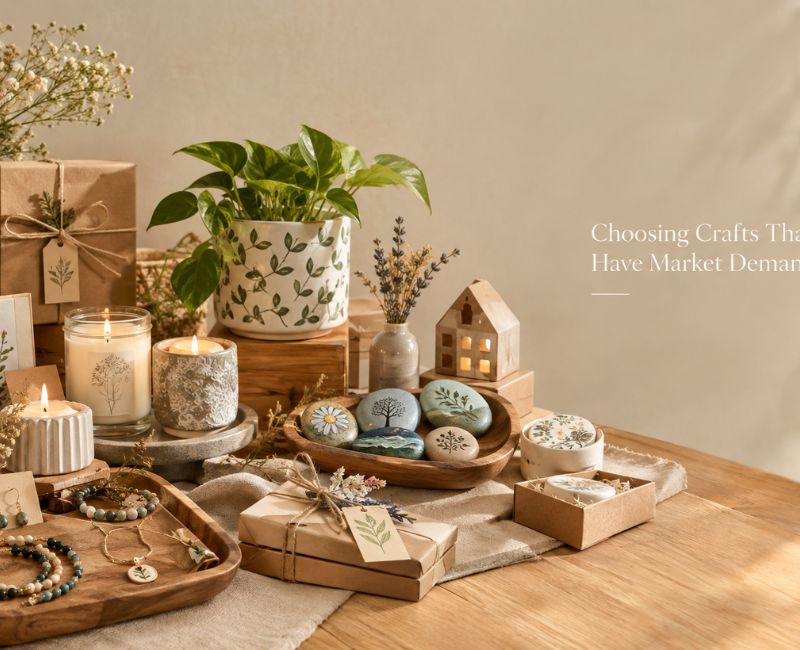
Making something you love is only half the equation. Demand shows up in search trends, marketplace listings, and what people ask for on social media. Browse a craft marketplace, sort by bestsellers, and notice which items collect hundreds of reviews and which categories look crowded. Seasonal products such as holiday ornaments, wedding favors, and back-to-school accessories often follow predictable surges, which helps you plan production ahead.
Look for gaps instead of copying leaders. If everyone sells plain soy candles, a candle in a hand-poured concrete vessel with a refill option stands apart. Personalized crafts, like name signs or custom pet portraits in thread, also let buyers feel involved, which can support higher prices.
Pricing Handmade Items Without Undervaluing Your Time
Pricing is where many new makers stumble. A reliable starting formula adds material costs, a fair hourly wage for your time, and a share of overhead such as packaging, platform fees, and tools. Then add a markup so the business can grow. If a piece costs eight dollars in materials and takes two hours, paying yourself even a modest wage pushes the price well beyond what a casual hobbyist expects.
Check what comparable items sell for, then price based on your quality rather than the lowest listing. Underpricing signals low value and burns you out quickly. Sellers of Inventive LWMF Crafts who document their process, showing sketches, layers, and materials, often find it easier to justify higher prices because buyers see the labor behind each piece.
Selling Online Without Overcomplicating It
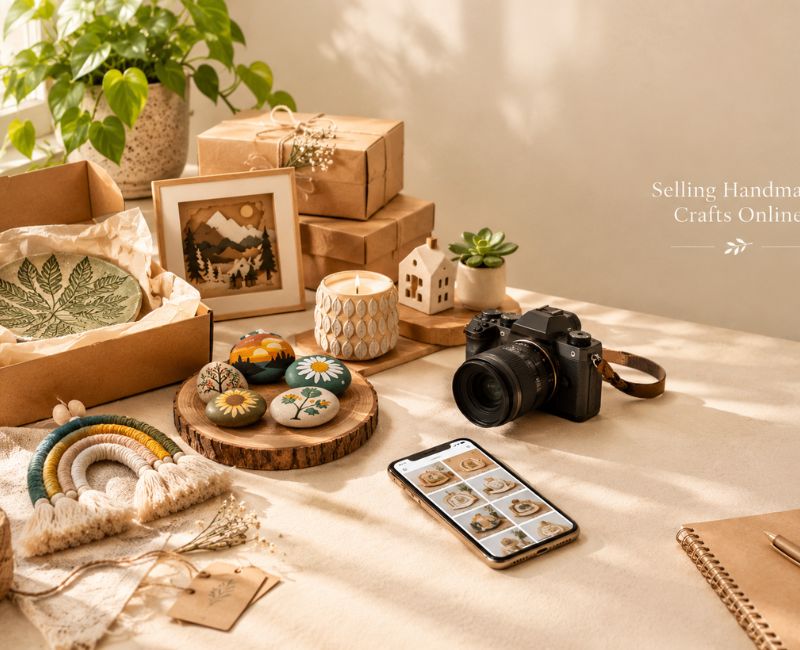
You do not need your own website to start. Craft marketplaces handle payments and bring built-in traffic, while social platforms let you show works in progress and build a following. Photograph every item in natural light against a plain background, add one lifestyle shot to show scale, and write descriptions that mention dimensions, materials, and care instructions.
Many sellers combine channels: a marketplace listing for discoverability, a short-video or photo account for audience building, and local craft fairs for direct feedback. Keep records of sales, shipping costs, and fees from day one, and check local rules on business registration and taxes where you live. A small shop built around Inventive LWMF Crafts works best with a clear theme, such as botanical home decor or desk accessories, so shoppers instantly understand what you offer. Launch with five to ten products and learn from what moves.
Small Upgrades That Make Handmade Pieces Feel Premium
Finishing separates handmade from homemade. Sand edges until smooth, seal painted surfaces, trim loose threads, and check symmetry before calling a piece done. Packaging matters just as much: kraft boxes, tissue paper, a handwritten thank-you note, and a small care card turn a purchase into an experience.
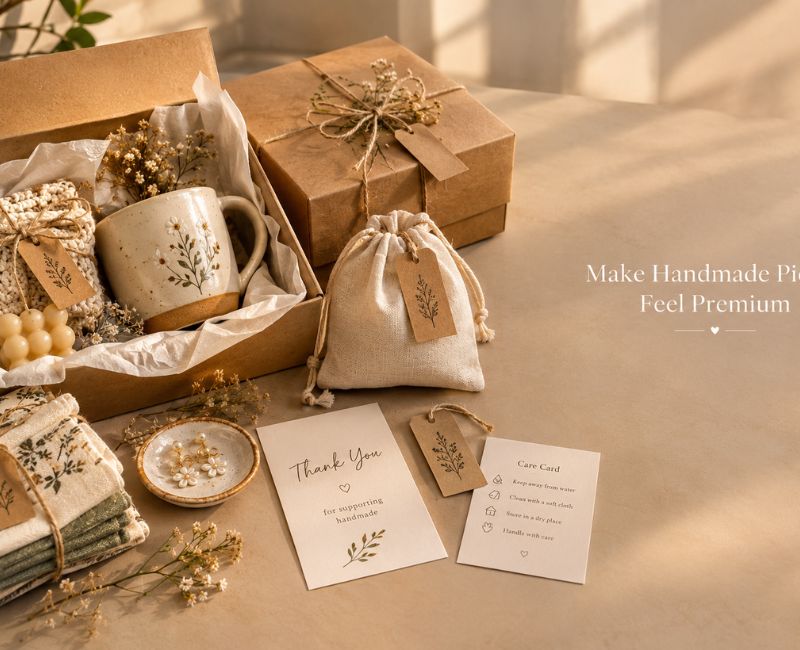
Branding helps too. A simple stamp, a hang tag with your name, and consistent colors across your photos make a shop look established. Offering small customization options, like a choice of color or a name, raises perceived value without adding much work. Repeat buyers often come from these touches, and Inventive LWMF Crafts benefit especially because each item already feels one of a kind.
Frequently Asked Questions
1. Can I Really Make Money Selling Handmade Crafts From Home?
Many people earn side income from handmade items, though results depend on product quality, pricing, and consistent effort. Start small, track your costs, and treat early sales as feedback rather than guaranteed income.
2. What Handmade Crafts Sell Best Right Now?
Candles, personalized gifts, home decor, planters, and reusable household items perform well in many marketplaces, especially around holidays. Check the current bestseller lists on your chosen platform, since trends shift quickly.
3. How Much Should I Charge for Handmade Items?
Add material costs, a fair hourly rate, and overhead, then compare the total with similar listings. Raise the price for custom work or rare materials, and never go below what covers your costs.
4. Best Craft Business Ideas for Beginners With No Experience?
Candles, paper goods, painted stones, and simple jewelry need modest supplies and have short learning curves. Choose one with a low startup cost and practice until your finish is consistent.
5. How Do I Know If My Craft Idea Will Sell?
Check marketplace searches, reviews, and social media comments for existing demand, then test with a small batch or a local fair. Real feedback, such as saves, questions, and repeat orders, tells you more than guesses.
6. How Do I Start Selling Crafts Online Without a Storefront?
Open a shop on a handmade marketplace, or sell through social media using direct messages and payment links. Both options let you test products before investing in a website.
Final Thoughts
Handmade work rewards patience and curiosity. From creative shadow boxes to practical concrete pen holders, these Inventive LWMF Crafts prove that impressive DIY projects don’t have to require costly tools or materials. With creativity, a willingness to experiment, and careful attention to finishing touches, you can transform simple materials into unique handmade pieces.
Pick one project from the table, finish it this week, and learn from the result. If friends ask where you got it, you may have found your first customers, and with sensible pricing and honest listings, Inventive LWMF Crafts can grow from a weekend hobby into a small creative business.

Welcome to Cozy Escape Hub! I am Muhammad Hassaan, an AI Powered SEO and content writer with a 2 years of experience.
I help websites rank higher, grow traffic , and look amazing. My goal is to make SEO and web design simple and effective for everyone. Let’s achieve more together!