
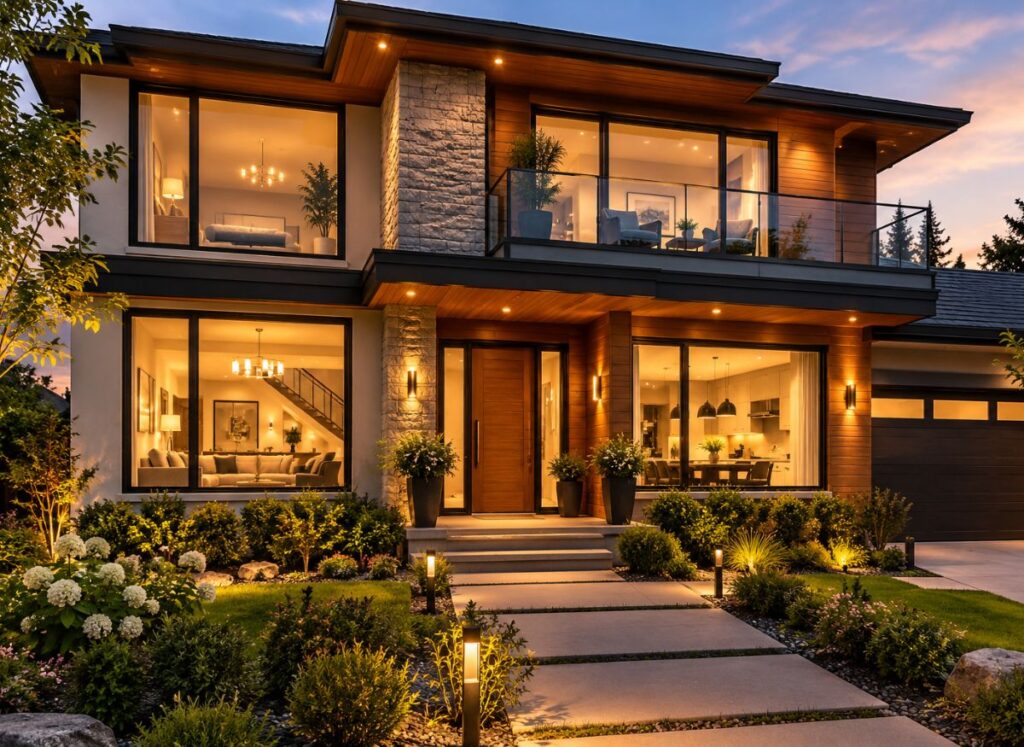
When you start planning a renovation or a new build, you quickly run into the question of Exterior vs. Interior Design. Both shape how a property looks and feels, but they focus on completely different parts of a home. One deals with what the world sees from the street, while the other shapes the daily experience of the people who live inside.
Getting a clear picture of Exterior vs. Interior Design helps homeowners avoid costly mistakes and create a property that feels connected from front yard to living room. This guide breaks down exactly what each area covers, how they differ, and how they work best when planned together.
Understanding the Two Design Worlds
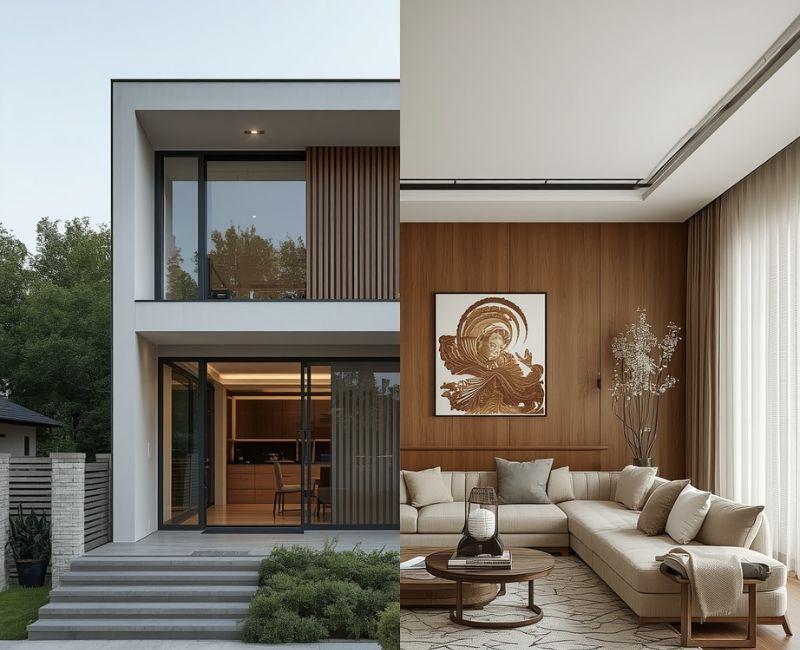
Exterior design deals with everything visible from outside a building: the facade, roofline, landscaping, and overall curb appeal. Interior design, on the other hand, focuses on how a space functions and feels once you step through the front door. The comparison of Exterior vs. Interior Design really comes down to two questions: how does the building present itself to the world, and how does it support daily life inside?
Both disciplines borrow from architecture, but each has its own priorities, materials, and rules. Homeowners who understand this distinction make far better decisions when hiring professionals or planning renovations.
What Exterior Design Actually Covers
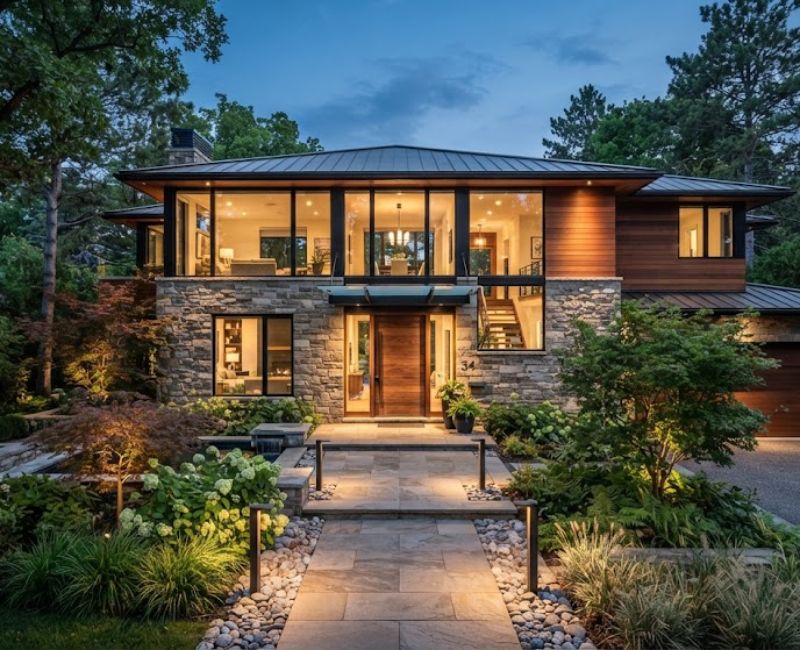
Exterior home design is about the building’s relationship with its surroundings. It typically includes:
- The building facade and architectural style
- Exterior colors and finishes
- Durable materials like brick, stone, siding, and stucco
- Doors, windows, and entryways
- Landscape design and outdoor greenery
- Outdoor lighting for safety and ambiance
- Curb appeal and first impressions
- Outdoor functionality, such as patios or driveways
- How the structure fits into the neighborhood
A well-designed exterior does more than look good; it protects the home from weather, supports energy efficiency, and sets expectations for what’s inside.
What Interior Design Focuses On
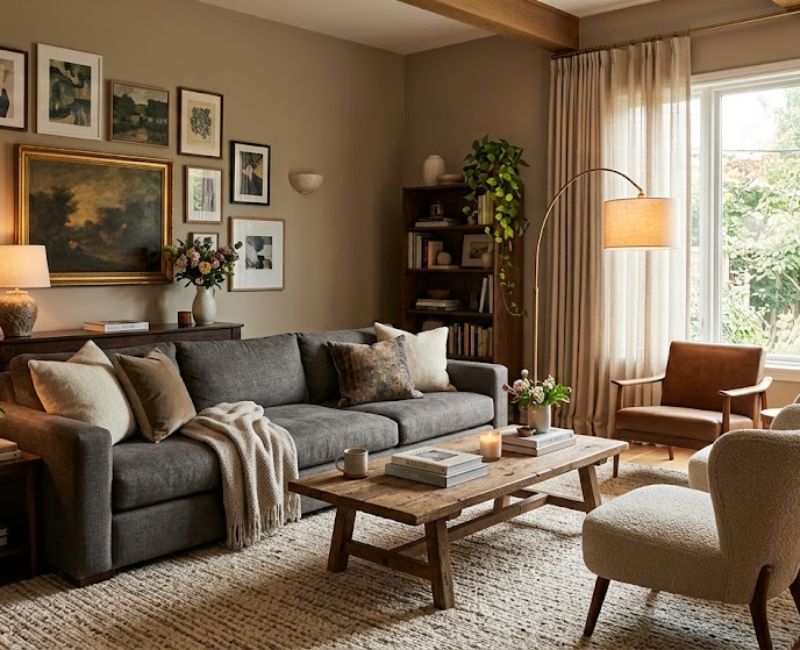
Interior home design shapes how people actually live inside a space. Key elements include:
- Space planning and room layout
- Furniture selection and placement
- Interior color schemes
- Flooring choices
- Wall treatments and ceiling details
- Lighting design for different moods and tasks
- Textures and fabrics
- Storage solutions
- Room functionality
- Comfort and atmosphere
Exterior work leans toward durability and presentation, while interior design leans toward comfort, personality, and usability. If you’re working with a limited budget, these affordable home decor ideas can help you improve your interior without sacrificing style.
Key Differences: Exterior vs. Interior Design
The clearest way to understand this comparison is to view core priorities side by side.
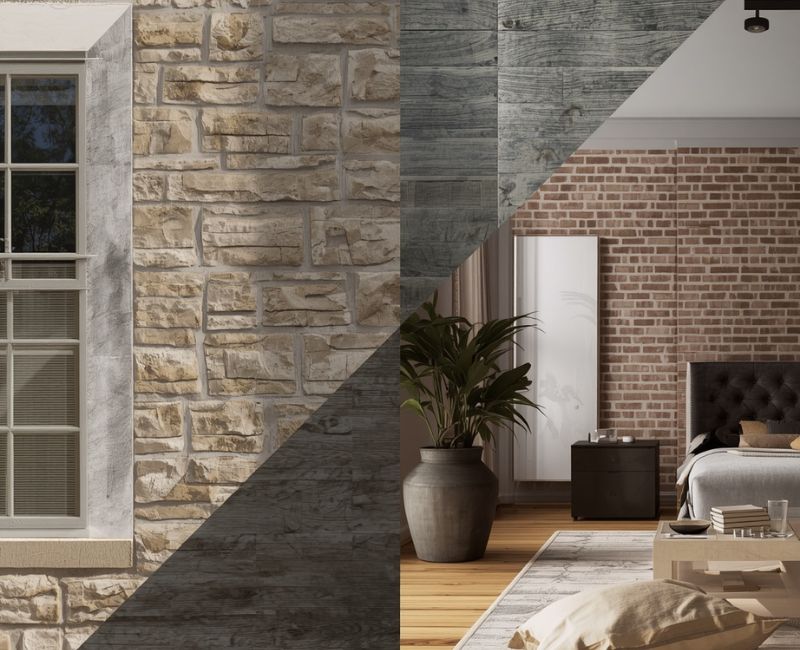
Exterior vs. Interior Design at a Glance
| Design Area | Exterior Focus | Interior Focus | Main Goal |
| Materials | Weather-resistant, durable | Comfortable, visually appealing | Longevity vs. comfort |
| Colors | Neutral, architectural harmony | Mood-driven, personal taste | Curb appeal vs. atmosphere |
| Lighting | Safety and visibility | Ambiance and task use | Function vs. feeling |
| Layout | Landscaping and structure placement | Furniture and space planning | Flow indoors and out |
Beyond materials and color, the two areas differ in purpose, location, and even budget priorities. Exterior work has to withstand rain, sun, and temperature swings, while interior choices focus more on how a room feels day to day. Safety considerations differ too exterior lighting and pathways prevent accidents outside, while interior layouts prevent bottlenecks and awkward traffic flow inside.
Maintenance schedules also diverge. Exterior surfaces need regular upkeep against fading, moisture, and wear, while interior finishes are usually easier to maintain but more sensitive to daily use and foot traffic. This is one of the most practical parts of comparing Exterior vs. Interior Design when planning a long term maintenance budget.
How Exterior vs. Interior Design Work Together
A property feels disjointed when the outside doesn’t match the inside. Strong design creates a consistent design language with the same architectural style, complementary color transitions, and materials that echo each other from the facade to the foyer.
The entryway is where this connection matters most. A modern exterior with a rustic, cluttered interior can feel jarring, while a home where the entry hall reflects the same tone as the front door creates a smooth, cohesive experience. Thinking about Exterior vs. Interior Design as one continuous story, rather than two separate projects, leads to a far more polished result.
Design Styles and Their Impact
Different design styles influence both indoor and outdoor spaces:
- Modern: clean lines, minimal ornamentation, large windows
- Minimalist: simplicity, neutral palettes, uncluttered spaces
- Traditional: classic proportions, detailed trim, warm tones
- Farmhouse: natural materials, cozy textures, welcoming porches
- Contemporary: current trends, mixed materials, bold accents
- Rustic: raw wood, stone, earthy colors
- Industrial: exposed materials, metal accents, urban feel
- Luxury: premium finishes, custom details, statement features
Choosing a style that flows naturally throughout Exterior vs. Interior Design avoids the mismatched look that makes a home feel like two unrelated buildings stitched together. For more inspiration, explore these interior design styles to find a look that works well with your home’s overall character.
Materials: Outside vs. Inside
Exterior materials must survive rain, sun, wind, and temperature swings, so durability always comes first. Brick, stone, fiber cement siding, and weather-treated wood are common choices because they hold up over years of exposure.
Interior materials have different priorities. Comfort, appearance, and ease of maintenance matter more than weather resistance. Hardwood floors, textiles, painted drywall, and decorative tile all focus on daily usability rather than surviving a storm. This is a core part of the Exterior vs. Interior Design conversation, since choosing the wrong material for the wrong environment leads to premature wear and expensive repairs. For another simple way to add comfort and style indoors, explore these best living room rug ideas for inspiration on choosing the right rug for your space.
Color Choices: Exterior vs. Interior Design
Exterior colors need to complement the surrounding landscape, architectural features, and neighborhood context. Lighter, neutral tones often work well outdoors because they age gracefully and reflect heat. Interior color schemes have more flexibility since lighting, room size, and personal taste all play a role indoors.
Natural light changes how colors appear both outside and inside, which is why professionals often test paint swatches at different times of day. Getting this balance right is one of the more overlooked aspects of Exterior vs. Interior Design, yet it has a huge impact on how cohesive a home feels overall.
Lighting and Its Role in Both Areas
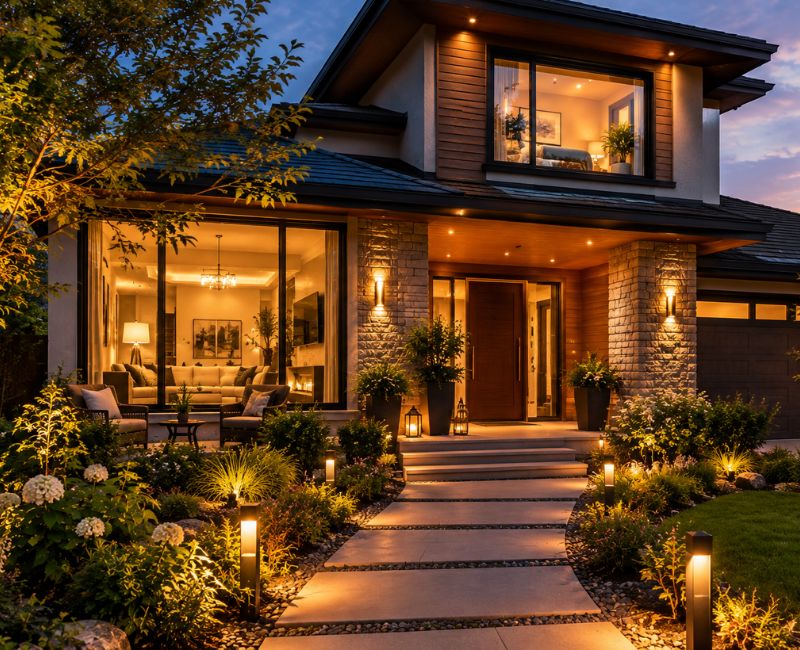
Lighting design shapes both safety and mood. Outdoors, exterior lighting highlights pathways, entrances, and architectural features while improving nighttime safety. Indoors, lighting is layered into three types:
- Ambient lighting for overall illumination
- Task lighting for reading, cooking, or working
- Accent lighting for highlighting art or architectural details
Safety lighting matters in both spaces well lit stairs and hallways indoors, and well-lit walkways and entry points outdoors. Thoughtful lighting can transform how a space is perceived, often more than paint or furniture alone.
Functionality Matters More Than Appearance Alone
A beautiful design that isn’t practical will frustrate homeowners over time. Exterior spaces need to handle weather, foot traffic, and daily wear, while interior spaces need to support how people actually move through and use their rooms. Safety, comfort, and ease of maintenance should always guide decisions alongside aesthetics. This is exactly where Exterior vs. Interior Design overlaps most in daily life.
Budget Considerations
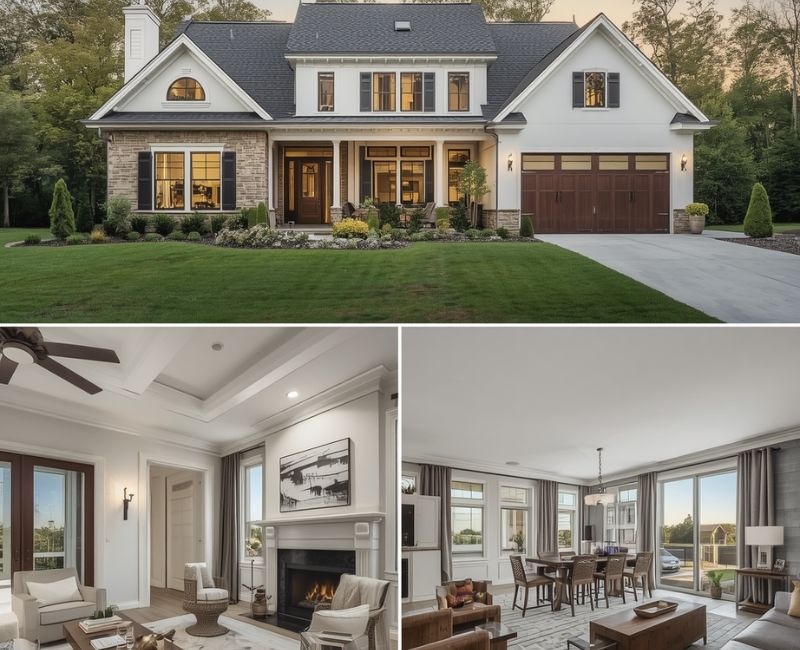
When planning both exterior home design and interior home design, it helps to prioritize spending where it counts. Structural elements and quality exterior materials are worth the investment since they’re costly to redo. Indoors, save on decorative extras and invest in high-use items like flooring and lighting.
Exterior vs. Interior Design Comparison
| Factor | Exterior Design | Interior Design | Key Difference |
| Main Purpose | Curb appeal and protection | Comfort and usability | Presentation vs. daily living |
| Environment | Outdoor, weather-exposed | Indoor, climate-controlled | Exposure level |
| Durability Needs | High | Moderate | Weather resistance |
| Maintenance | Frequent, weather-related | Less frequent, usage-related | Upkeep frequency |
| User Experience | First impression | Everyday living experience | Emotional impact |
This comparison table makes the practical side of Exterior vs. Interior Design easy to reference when planning where your renovation budget should go first.
Common Design Mistakes to Avoid
- Choosing a style before considering how the space functions
- Ignoring the building’s existing architecture
- Poor color coordination between rooms or with the exterior
- Insufficient lighting in key areas
- Overdecorating and cluttering a space
- Ignoring long-term maintenance needs
- Choosing materials unsuited to their environment
- Creating a disconnect between indoor and outdoor spaces
Avoiding these mistakes keeps a renovation project focused, functional, and visually consistent from the outside in.
How to Decide Which Design Work Comes First
If the exterior needs urgent repairs a failing roof, damaged siding, or drainage issues that work should come first to protect the structure. If the home is structurally sound but feels outdated or uncomfortable inside, interior updates may deliver the bigger day-to-day improvement. Many homeowners tackle both together, especially during a full renovation, since planning Exterior vs. Interior Design at the same time makes it easier to keep everything visually aligned.
When Should You Hire a Professional?
Architects
handle structural design and major building changes.
Interior designers
manage space planning, furniture, and overall indoor atmosphere.
Exterior designers
focus on facades, materials, and curb appeal.
Decorators
handle finishing touches like furniture styling and accessories.
Landscape designers
shape outdoor greenery, hardscaping, and gardens.
Smaller projects, like repainting a room or adding outdoor lighting, are often manageable without a professional. Larger structural or full-property renovations usually benefit from expert guidance to avoid costly mistakes.
Final Practical Tips
- Choose one architectural style and carry it through both spaces
- Let the entryway bridge the Exterior vs. Interior Design color palette
- Prioritize durable materials outdoors and comfortable materials indoors
- Plan lighting for both safety and mood
- Budget for structural needs first, decorative touches second
- Walk the property at different times of day before finalizing colors
FAQs
1. Should I Hire Both an Architect and Interior Designer?
Yes, for major construction or renovation projects, hiring both can help ensure the structure and interior design work together.
2. What’s the Difference Between an Interior Designer and Exterior Designer?
An interior designer focuses on indoor spaces, while an exterior designer focuses on the building’s outside appearance and curb appeal.
3. Do I Need an Interior Designer or Just a Decorator?
For simple decorating, a decorator may be enough. For space planning or major changes, an interior designer is better.
4. Which Is More Important, Exterior or Interior Design?
Neither is more important they serve different purposes. Exterior design protects and presents the home, while interior design shapes daily comfort and function.
5. Can Exterior vs. Interior Design Styles Be Different?
They can, but a cohesive look is easier to achieve when the two share some common elements, like color tones or material choices.
6. Which Design Project Should Be Completed First?
Urgent structural or exterior repairs usually come first, followed by interior updates, though many homeowners plan both together for a consistent result.
Conclusion
Comparing Exterior vs. Interior Design ultimately comes down to purpose: one protects and presents the home from the outside, while the other shapes comfort and function inside. Materials, colors, lighting, and budget priorities all shift depending on which space you’re working on, and understanding these differences leads to smarter, more confident renovation decisions.
The most successful properties treat exterior and interior work as one connected project rather than two separate efforts. Whether you’re planning a small update or a full renovation, keeping Exterior vs. Interior Design in mind from the start will help you build a home that looks great outside and feels just as good to live in.

Welcome to Cozy Escape Hub! I am Muhammad Hassaan, an AI Powered SEO and content writer with a 2 years of experience.
I help websites rank higher, grow traffic , and look amazing. My goal is to make SEO and web design simple and effective for everyone. Let’s achieve more together!