
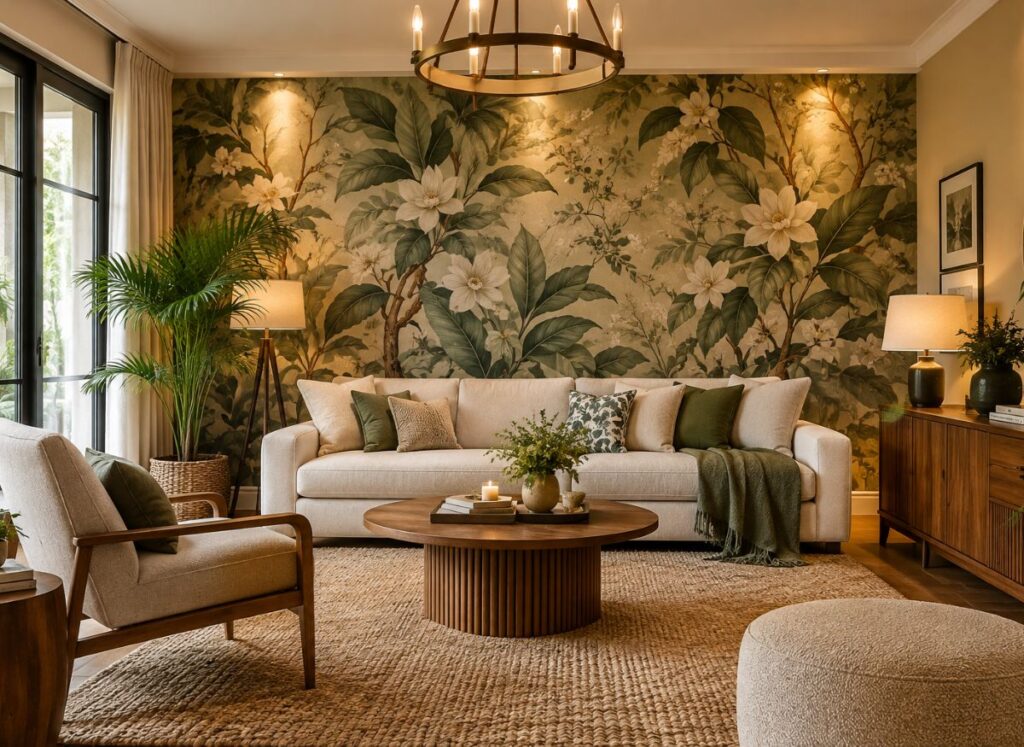
A blank wall can either fade into the background or become the most memorable part of a room, and wallpaper is one of the fastest ways to tip that balance in your favor. Thoughtful Living Room Wallpaper Decor introduces color, pattern, and texture in a way paint alone rarely achieves, giving a space instant personality without a full renovation.
Wallpaper is also flexible across design tastes. It can soften a stark modern space, add warmth to a farmhouse living room, or bring old world elegance to a traditional interior. This guide walks through practical, stylish ways to use wallpaper so your living room feels intentional and true to your personal taste.
Why Wallpaper Has Such a Strong Impact on a Living Room
Few decor choices change a room as dramatically as wallpaper. A single pattern can introduce a personality that furniture and paint simply cannot replicate on their own, and because it covers a large, continuous surface, it sets the tone for everything else in the room.
Wallpaper also adds visual depth. A subtle textured design catches light differently throughout the day, while a bold print draws the eye and creates an obvious focal point. This is one of the reasons designers rely so heavily on Living Room Wallpaper Decor when they want a space to feel finished rather than half decorated.
Beyond aesthetics, wallpaper affects how a room feels emotionally. Soft botanical prints make a space feel calm and organic, while dark, richly patterned wallpaper can make a living room feel cozy and intimate in the evening.
Matching Wallpaper to Your Interior Style
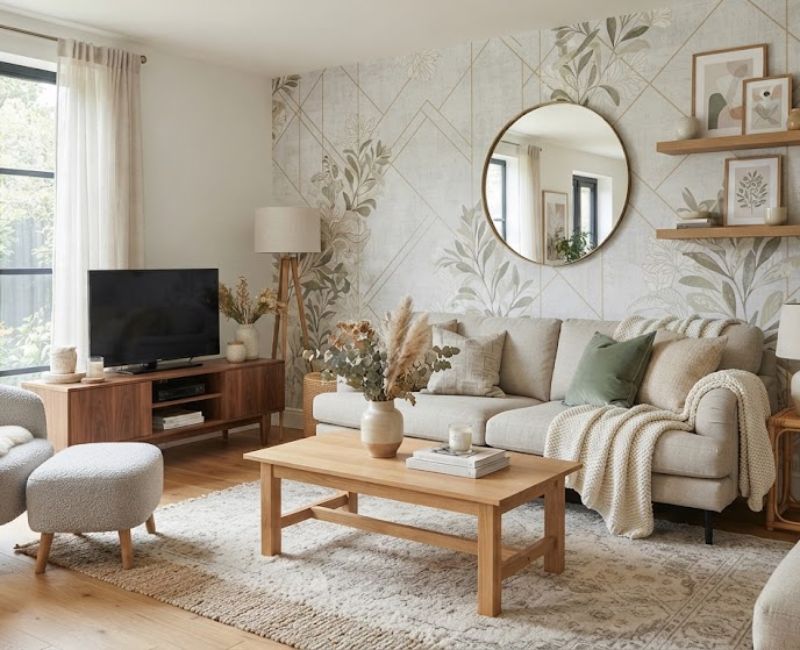
One of the most important steps in planning Living Room Wallpaper Decor is choosing patterns and colors that genuinely suit your existing style rather than fighting against it. Before choosing a wallpaper pattern, explore these interior design styles to find a look that complements your home’s overall aesthetic.
Modern, Contemporary, and Minimalist Spaces
These styles benefit from clean geometric patterns, subtle textures, or tone on tone designs in muted grays, soft whites, and gentle greiges.
Traditional, Vintage, and Luxury Interiors
Damask patterns, ornate florals, and rich jewel tones work beautifully here, with metallic accents in gold or bronze adding elegance without excess.
Farmhouse, Rustic, and Scandinavian Rooms
Soft botanical prints, linen textured finishes, and warm neutral tones complement these cozy styles, while Scandinavian spaces favor light backgrounds with delicate patterns.
Industrial, Bohemian, and Coastal Aesthetics
Industrial rooms pair well with stone or concrete inspired wallpaper, bohemian spaces welcome eclectic patterns and earthy colors, and coastal interiors lean toward soft blues and subtle wave motifs.
Feature Wall Wallpaper Ideas Worth Considering
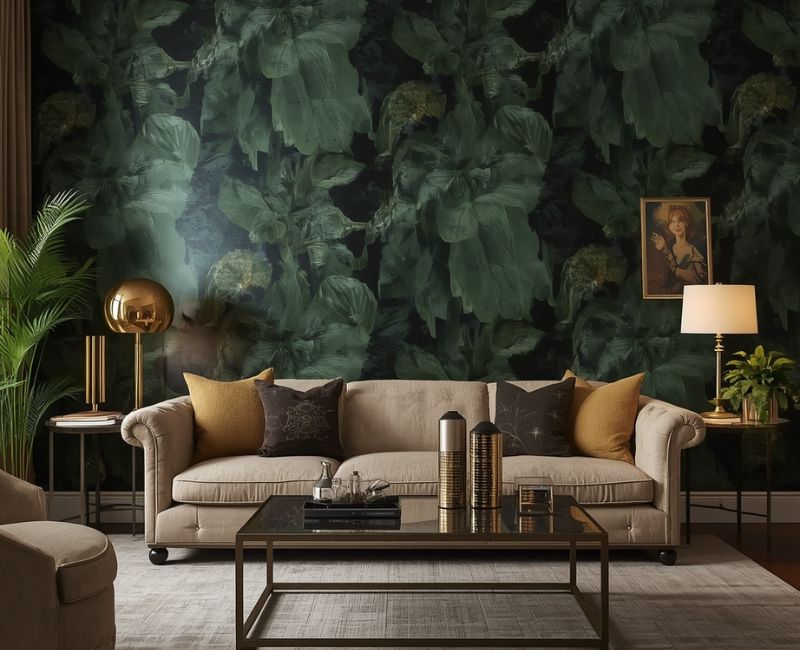
An accent wall remains one of the most popular ways to introduce patterns without overwhelming a room. The wall behind the sofa, the fireplace wall, or the wall surrounding a television are strong candidates because they naturally draw attention.
When choosing a feature wall, consider how bold the pattern should be. A large, dramatic print works well when the rest of the room stays neutral, while keeping the remaining walls in a complementary solid color helps the accent wall stand out without competing for attention.
| Wallpaper Choice | Best For | Visual Effect | Style |
| Botanical Print | Sofa or fireplace wall | Soft, natural focal point | Scandinavian, Coastal |
| Geometric Pattern | TV wall | Clean, structured accent | Modern, Contemporary |
| Textured Neutral | Entire room | Subtle depth without pattern overload | Minimalist, Luxury |
| Damask Design | Wall behind artwork | Rich, elegant statement | Traditional, Vintage |
| Metallic Accent | Small feature area | Reflective glow, added drama | Luxury, Glam |
Choosing Colors That Set the Right Mood
Color plays a defining role in how a room feels day to day. Neutral tones such as beige, cream, and soft gray keep a living room feeling open and adaptable, which is why they remain a dependable foundation for Living Room Wallpaper Decor across many styles. Green and blue tones bring a calming quality, while earthy terracottas and warm browns create a cozy atmosphere.
Darker, dramatic shades like charcoal, deep green, or navy can make a large room feel more intimate, though they work best with adequate lighting. Lighter colors, by contrast, help smaller rooms feel more open and airy.
Patterns That Add Character and Personality
Pattern choice shapes a room’s personality as much as color does. Floral and botanical designs bring softness and warmth, geometric and abstract patterns feel more structured and modern, striped wallpaper can visually raise ceiling height, and marble inspired designs bring a polished look without the cost of real stone.
Bold, large-scale patterns work best on a single wall or in rooms with ample natural light, while subtler, smaller-scale designs are more forgiving throughout an entire space.
Small Living Room Wallpaper Ideas
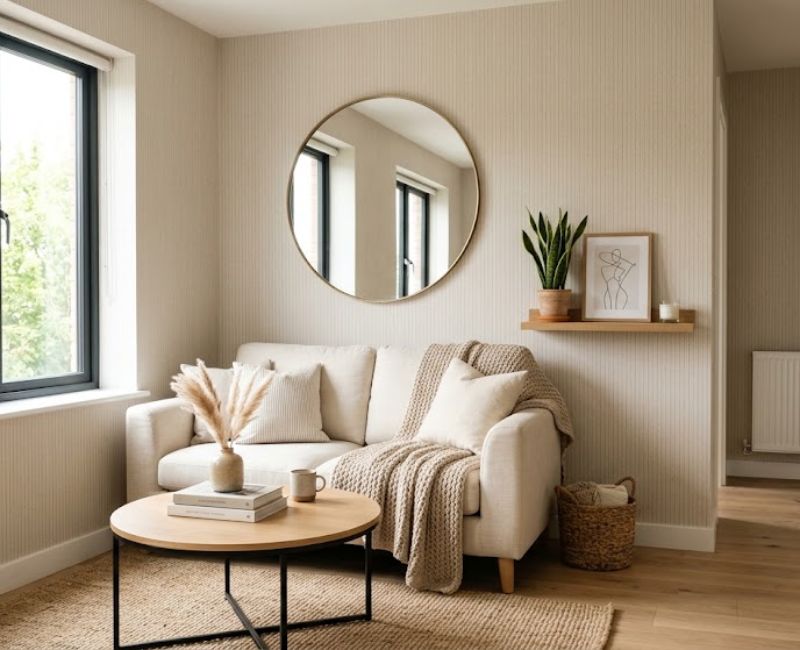
Wallpaper can absolutely work in a compact living room, but the approach needs to be more deliberate. Light, soft colors help prevent the walls from feeling like they’re closing in, while small-scale patterns keep the space feeling airy rather than busy.
Vertical stripes or elongated patterns can visually stretch ceiling height, and reflective or subtly metallic finishes also help bounce light around a smaller space. Rather than covering every wall, many homeowners find that a single accent wall delivers the personality of Living Room Wallpaper Decor without sacrificing the open feel of a smaller room.
Coordinating Wallpaper With Furniture and Accessories
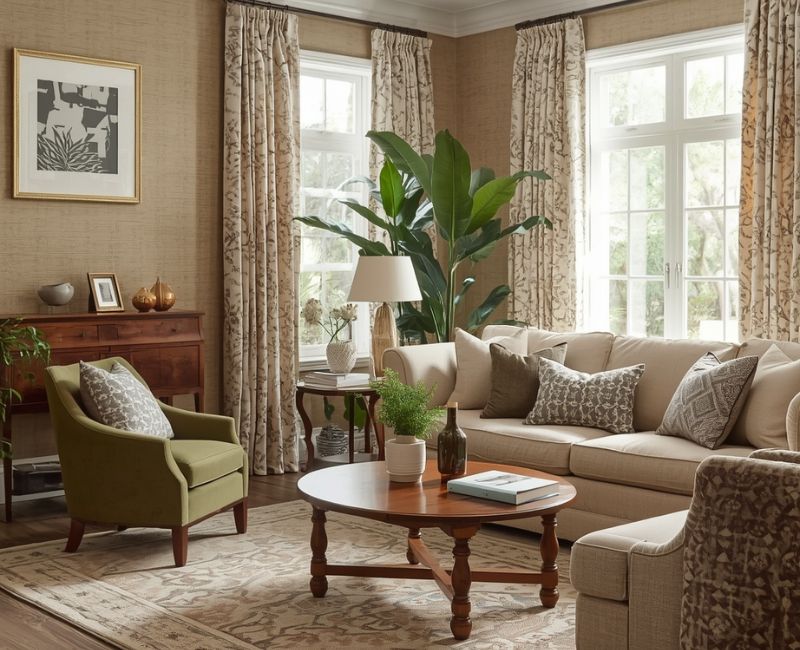
Good Living Room Wallpaper Decor should support your furniture, not compete with it. If your pattern is bold, keep sofas, rugs, and curtains in solid, complementary tones. If your wallpaper is more subdued, you have more freedom to introduce patterned cushions or textured throws.
Artwork and cabinets should echo at least one color from the wallpaper to tie the room together, and accent chairs or coffee tables work best when their finishes feel intentional against the wallpaper’s texture rather than accidental.
How Lighting Changes the Way Wallpaper Looks
Lighting has a major effect on how wallpaper reads in real life. Natural daylight can make colors appear brighter and more saturated, while warm artificial lighting deepens tones and adds coziness. Cool lighting, by contrast, can make certain colors feel flatter or more clinical.
Rooms with limited natural light often benefit from lighter wallpaper with subtle texture, since dark or heavily patterned designs can make the space feel dim. It’s worth testing a physical sample on the wall during both daytime and evening lighting before committing.
Texture and Material Considerations
Texture adds another layer of interest to Living Room Wallpaper Decor beyond color and pattern. Smooth wallpaper offers a clean, contemporary look, textured or embossed finishes add tactile depth, fabric-inspired wallpaper brings softness, and metallic details introduce subtle shine without overwhelming the space.
Matte finishes tend to suit calmer, more understated interiors, while slightly reflective textures work well in rooms designed to feel more glamorous or upscale.
| Wallpaper Type/Style | Best For | Main Benefit | Possible Drawback | Overall Look |
| Textured Neutral | Most living rooms | Adds depth without strong pattern | Can be less distinctive | Understated, versatile |
| Floral | Traditional or cottage-style rooms | Brings softness and warmth | May feel dated if overused | Charming, classic |
| Geometric | Modern or contemporary spaces | Creates structure and rhythm | Can feel busy in small rooms | Clean, structured |
| Botanical | Scandinavian or coastal interiors | Feels natural and calming | Limited drama on its own | Fresh, organic |
| Bold Pattern | Statement feature walls | Instant visual impact | Requires careful balancing | Dramatic, eye-catching |
| Luxury Metallic | Upscale or formal living rooms | Adds richness and shine | Can overwhelm in large doses | Elegant, refined |
Creating a Luxury Look Without Overdoing It
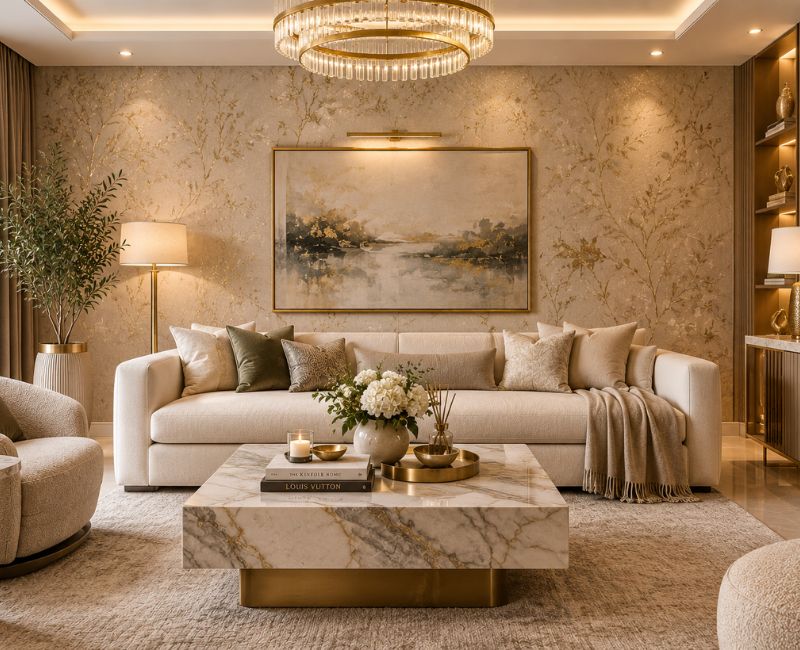
An expensive-looking living room doesn’t require the boldest wallpaper available. Sophisticated, understated patterns paired with a neutral palette often read as more luxurious than an overly busy design, especially with subtle metallic accents and layered lighting.
Keeping accessories minimal allows the wallpaper’s texture and finish to remain the focal point, which is often what separates a genuinely elegant room from one that feels overdecorated.
Budget Friendly Wallpaper Ideas
You don’t need to wallpaper an entire living room to see a meaningful impact. A single accent wall dramatically reduces material costs while still delivering the visual benefits of Living Room Wallpaper Decor. Choosing mid range, well reviewed materials instead of premium designer brands can also stretch your budget further.
Careful measuring prevents unnecessary waste, and comparing a few installation quotes helps you find fair pricing. Proper wall preparation, including cleaning and smoothing surfaces beforehand, protects your investment and helps the finished result look more expensive than it actually was.
Common Wallpaper Mistakes to Avoid
Even a beautiful pattern can fall flat if a few key details are overlooked. Common issues include:
- Choosing large scale patterns in rooms that are too small
- Ignoring how natural and artificial lighting will affect color
- Poor coordination between wallpaper and existing furniture
- Overusing bold patterns across every wall
- Skipping proper wall preparation before installation
- Inaccurate measurements leading to wasted material
- Forgetting to consider furniture placement against the pattern
- Prioritizing style over long-term practicality
Avoiding these missteps helps ensure the final result feels cohesive rather than accidental.
How to Choose the Right Wallpaper Step by Step
- Assess the room’s size, lighting, and layout.
- Decide on the interior style you want to reinforce.
- Select a color palette that suits the room’s mood.
- Choose a pattern scale appropriate to the space.
- Consider how lighting will affect the final look.
- Match the wallpaper to existing furniture tones.
- Check the quality and durability of the material.
- Order physical samples before making a final decision.
- Measure the walls carefully to avoid waste.
- Plan installation timing and any necessary wall prep.
Following this sequence helps homeowners avoid costly guesswork and land on Living Room Wallpaper Decor that genuinely fits their space. If you prefer a clean and uncluttered space, these minimalist living room ideas can help you pair wallpaper with simple furniture and thoughtful decor.
Professional Installation vs. DIY
DIY installation can save money and works well for straightforward, small-pattern wallpaper on flat walls. However, pattern matching, corners, windows, and doors can quickly become challenging without experience, sometimes leading to visible seams.
Professional installers bring efficiency and precision, particularly with intricate patterns or premium materials where mistakes are costly. Professional work costs more upfront but often results in a cleaner, faster finish, especially in larger or more complex rooms.
Final Styling Tips for a Cohesive Living Room
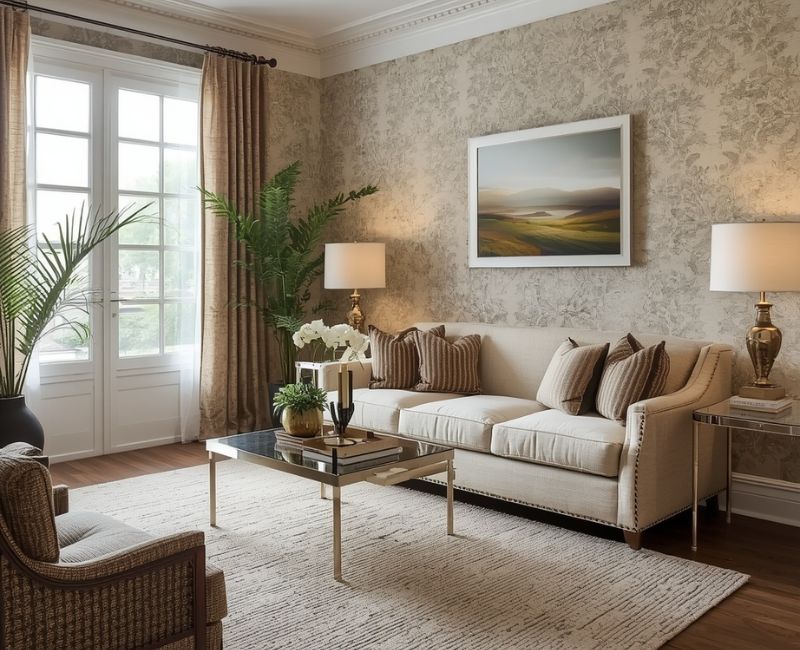
Once your wallpaper is installed, small styling choices help tie the room together. Layered lighting enhances texture and color, while artwork, rugs, and curtains should pull at least one tone from the wallpaper to feel intentional.
Cushions, throws, and a few well-placed plants add comfort while reinforcing the color story. Keeping decorative accessories simple allows the wallpaper to remain the room’s quiet centerpiece rather than one element among many. Complete the look by pairing your wallpaper with the right flooring and living room rug ideas that complement its colors and patterns.
Frequently Asked Questions
1. How Much Does Wallpaper Installation Cost?
Wallpaper installation costs vary based on room size, wallpaper type, wall condition, and local labor rates. Professional installation commonly costs $25–$50 per hour, while some installers charge by square foot or by project. Removing old wallpaper, repairing walls, or installing premium wallpaper can increase the total price.
2. Should I Hire a Professional to Install Wallpaper?
Hiring a professional is usually the best choice if you want clean seams, accurate pattern alignment, and a smooth, bubble-free finish. DIY installation can save money, but wallpaper can be difficult to handle, especially around corners, windows, and doors. For expensive or patterned wallpaper, professional installation is often worth the extra cost.
3. What’s the Average Cost to Wallpaper a Bedroom?
The average cost to wallpaper a bedroom depends mainly on its size, wallpaper price, wall preparation, and installation labor. A standard bedroom may cost around $300–$1,200 for wallpaper and professional installation, although larger rooms or premium materials can cost more. Getting multiple quotes can help you find the best value.
4. What Wallpaper Works Best in a Small Living Room?
Light, neutral colors with small-scale or vertical patterns tend to work best in compact spaces. These choices help the room feel open rather than crowded, while a single accent wall still adds personality without overwhelming the layout.
5. Is Wallpaper a Better Choice Than Paint for a Living Room?
Wallpaper and paint serve different purposes. Paint offers simplicity and easy updates, while wallpaper introduces texture, pattern, and depth that paint cannot replicate. Many homeowners combine both, using paint on most walls and wallpaper on a single feature wall.
6. How Do I Choose Wallpaper That Matches My Existing Furniture?
Start by identifying the dominant tones in your furniture and pull at least one of those colors into the wallpaper. Neutral furniture pairs well with bolder patterns, while patterned or colorful furniture generally looks best against a calmer, more subdued wallpaper design.
Final thoughts
Choosing wallpaper for a living room comes down to balancing personal style with practical considerations like room size, lighting, and existing furniture. From bold feature walls to subtle textured neutrals, there’s an approach suited to nearly every taste and budget. The key is selecting patterns and colors that feel intentional rather than accidental, allowing the room to feel finished and well-considered.
Ultimately, successful Living Room Wallpaper Decor comes from thoughtful planning rather than impulse decisions. By assessing your space, testing samples under real lighting, and coordinating with furniture and accessories, you can create a living room that feels both stylish and genuinely comfortable to spend time in.

Welcome to Cozy Escape Hub! I am Muhammad Hassaan, an AI Powered SEO and content writer with a 2 years of experience.
I help websites rank higher, grow traffic , and look amazing. My goal is to make SEO and web design simple and effective for everyone. Let’s achieve more together!