
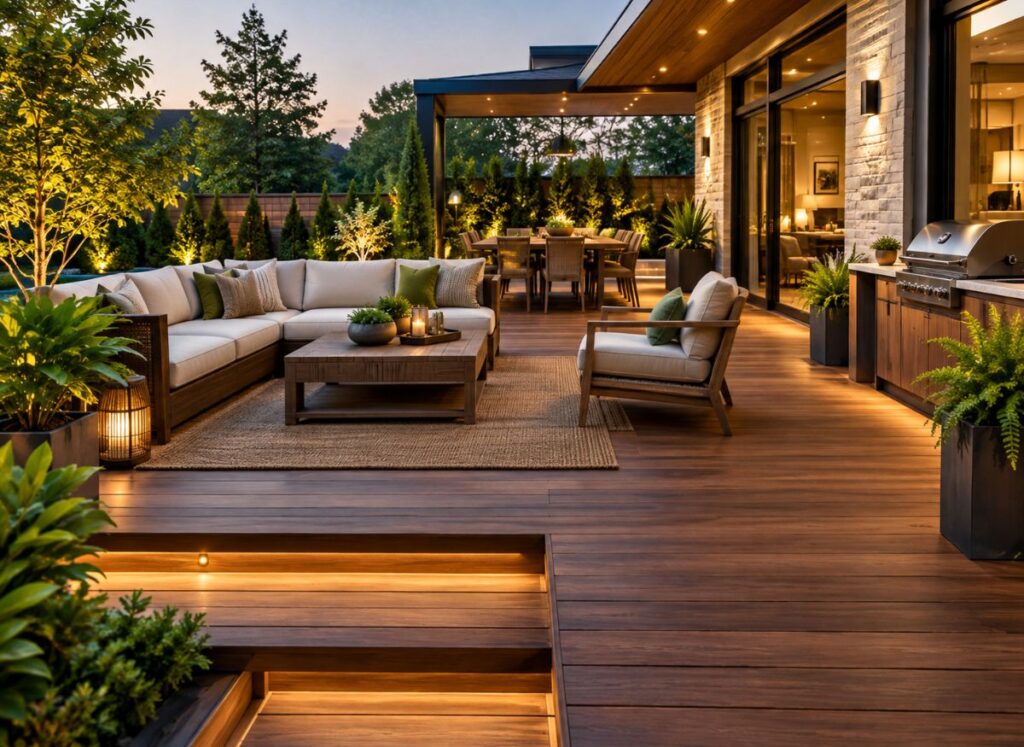
Traditional wood decking has long been the standard for outdoor living spaces, but it comes with real trade-offs. Wood requires frequent sealing, staining, and repair, and even carefully maintained boards eventually warp, splinter, or succumb to rot and insect damage. For homeowners investing in a luxury outdoor space, this ongoing upkeep can feel at odds with the polished, low-maintenance look they want to achieve. At the same time, growing awareness of deforestation and resource depletion has pushed many homeowners to look beyond conventional lumber entirely.
This shift in priorities has fueled interest in Eco Friendly Wood Alternatives that deliver the warmth and elegance of natural wood without the environmental cost or constant maintenance. From engineered composites to reclaimed timber, today’s sustainable decking materials are more refined, durable, and visually sophisticated than ever before. This article explores the most reliable eco-conscious options available for luxury deck design, comparing their appearance, performance, and long-term value so you can choose a material that fits both your aesthetic vision and your environmental priorities.
Why Sustainable Materials Are Reshaping Luxury Deck Design
High-end outdoor design has traditionally relied on premium hardwoods like teak, ipe, and mahogany. While beautiful, these species are often slow-growing, heavily logged, and increasingly regulated due to conservation concerns. Manufacturers and designers have responded by developing materials that mimic the grain, color, and texture of exotic wood while relying on renewable resources, recycled content, or improved processing techniques. Choosing Eco Friendly Wood Alternatives no longer means compromising on style. Many of today’s options are engineered specifically to replicate the visual richness that luxury clients expect, while offering far better resistance to moisture, insects, and fading.
Beyond aesthetics, these materials also address practical concerns that matter to homeowners planning a long-term outdoor investment: consistent performance across seasons, minimal upkeep, and a smaller environmental footprint. The following sections break down the most established options.
Composite Decking: Engineered Consistency and Low Maintenance
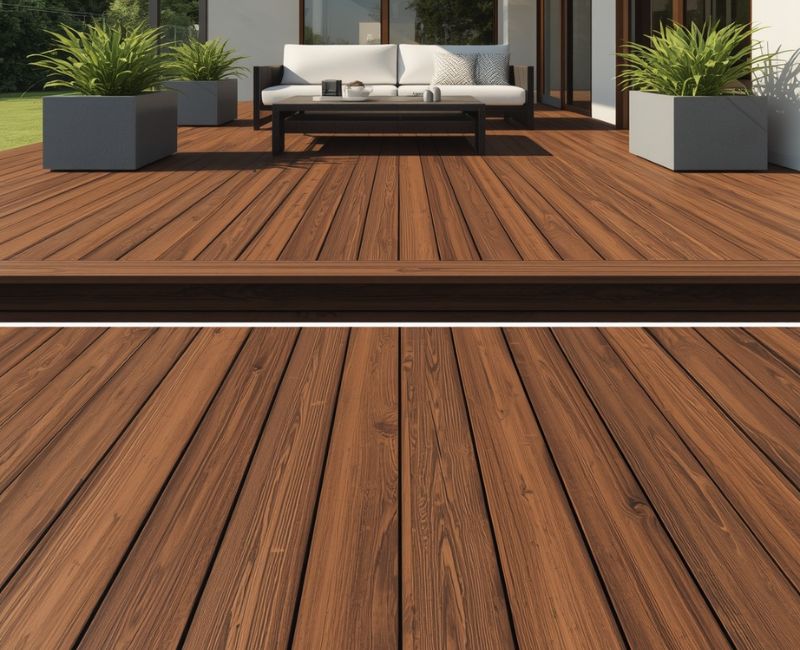
Composite decking is manufactured from a blend of wood fibers and recycled plastics, fused together to create boards that resist moisture, fading, and insect damage far better than solid wood. High-end composite lines now feature realistic wood-grain embossing and a wide range of color options, making them a popular choice for homeowners who want a refined look without the sanding, staining, or sealing that solid wood demands.
Appearance and luxury appeal: Premium composite boards can convincingly replicate the look of exotic hardwoods, with deep tones and varied grain patterns that suit contemporary and traditional homes alike.
Durability and weather resistance: Composite materials do not rot, splinter, or attract termites, and they hold up well in humid or rainy climates.
Maintenance: Occasional washing is typically all that’s required, since there is no need for annual staining or sealing.
Environmental considerations: Many composite products incorporate recycled plastic and reclaimed wood fiber, reducing demand on virgin timber.
Limitations: Composite decking can retain heat in direct sunlight more than natural wood, and lower-quality products may fade or show wear over time, so material quality matters.
Bamboo Decking: Fast-Growing Elegance
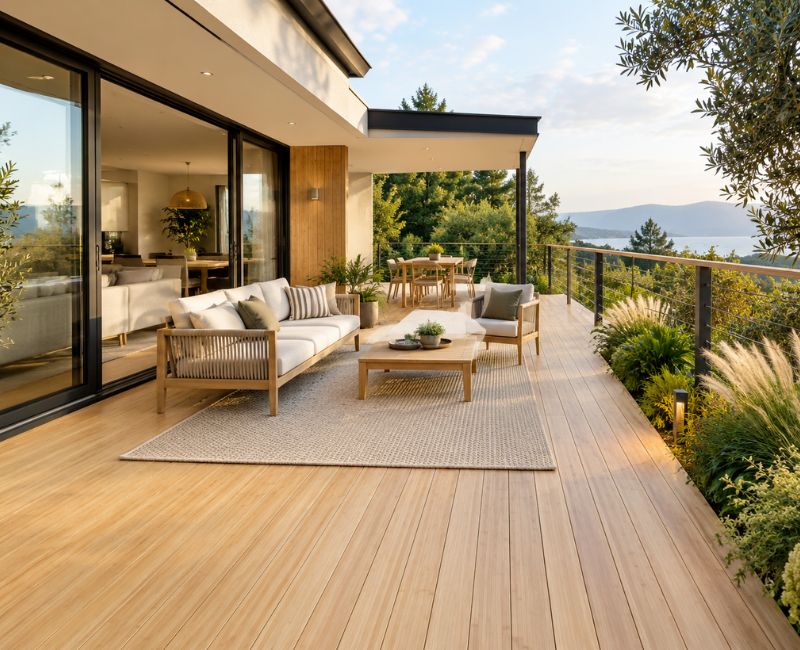
Bamboo is technically a grass, not a wood, but it has become one of the most talked-about Eco Friendly Wood Alternatives because of how quickly it regenerates compared to hardwood trees. Some bamboo species can be harvested within three to five years, making it one of the most renewable materials used in outdoor construction today.
Appearance: Bamboo decking has a light, contemporary look with a distinct linear grain that appeals to homeowners pursuing a modern or minimalist outdoor aesthetic.
Durability: Properly treated and strand-woven bamboo can be quite hard, sometimes harder than traditional hardwoods, though untreated bamboo is more vulnerable to moisture.
Maintenance: Bamboo decking generally requires periodic sealing to maintain its resistance to moisture and UV exposure.
Environmental considerations: Its rapid growth cycle and minimal need for pesticides make bamboo a genuinely renewable resource, provided it is responsibly sourced.
Limitations: Bamboo can be less consistent in outdoor performance than composite materials, particularly in climates with heavy rainfall or freeze-thaw cycles, so proper installation and sealing are essential.
Recycled Plastic Lumber: Maximum Durability with Minimal Upkeep
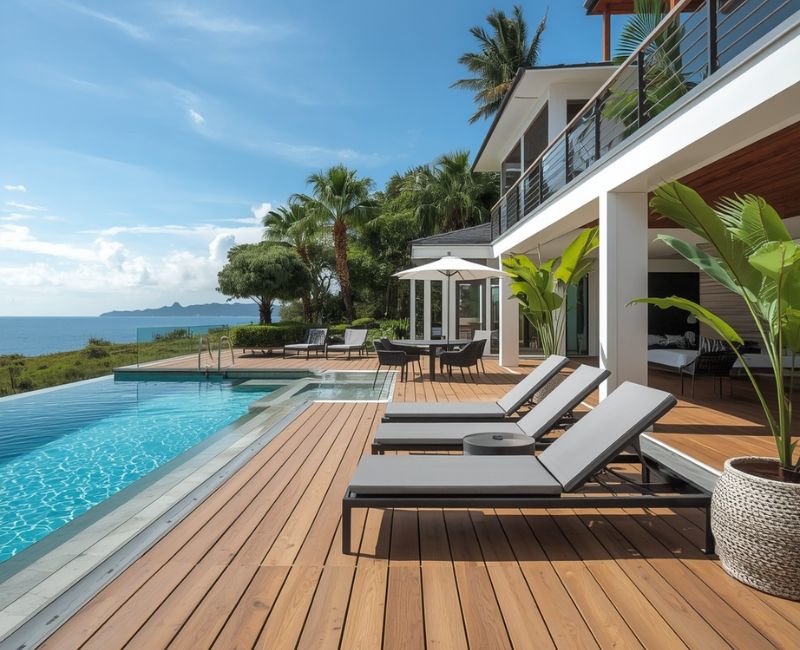
Recycled plastic lumber is made almost entirely from post-consumer or post-industrial plastic waste, offering one of the most durable and low-maintenance decking solutions on the market. Unlike composite boards, plastic lumber contains no wood fiber, which eliminates concerns about rot, splintering, or insect damage entirely.
Appearance: Modern recycled plastic lumber has improved significantly in texture and color variation, though it may still read as slightly less “natural” than wood-grain composites to some homeowners.
Durability and weather resistance: This material is highly resistant to moisture, mold, and pests, making it well suited for coastal properties or humid regions.
Maintenance: Cleaning requirements are minimal, and there is no risk of warping or cracking over time.
Environmental considerations: By diverting plastic waste from landfills, recycled plastic lumber directly supports circular economy goals, making it one of the more environmentally impactful choices among sustainable outdoor materials.
Limitations: It can expand and contract more with temperature changes than wood-based composites, so professional installation that accounts for this movement is important.
Thermally Modified Wood: Natural Material, Enhanced Performance
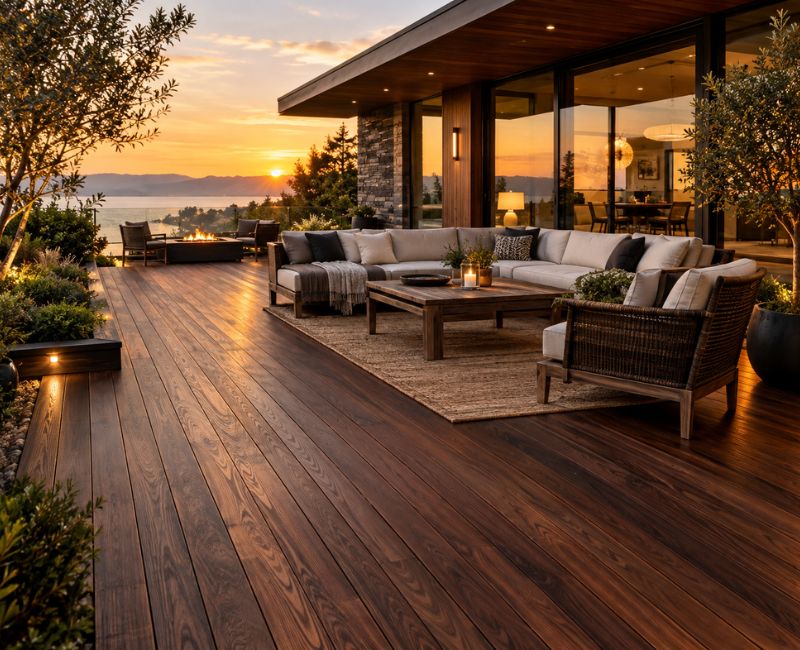
Thermally modified wood is real timber that has been treated with heat, rather than chemicals, to alter its cellular structure and improve its resistance to moisture and decay. This process makes species like ash, pine, or poplar significantly more stable and durable, extending their usable life in outdoor settings.
Appearance and luxury appeal: The heat treatment gives the wood a rich, deep color that resembles tropical hardwoods, offering genuine natural grain and texture that appeals to homeowners who want an authentic wood look.
Durability: Thermal modification reduces the wood’s ability to absorb moisture, which in turn reduces warping, cupping, and rot.
Maintenance: While more resistant than untreated wood, thermally modified boards still benefit from occasional oiling to preserve their color.
Environmental considerations: Because the treatment process avoids chemical preservatives, thermally modified wood is considered one of the cleaner processing methods among Eco Friendly Wood Alternatives, particularly when sourced from responsibly managed forests.
Limitations: It typically costs more than standard pressure-treated lumber and may not match the near-zero maintenance of composite or plastic lumber options.
Reclaimed Wood: Character-Rich Sustainability
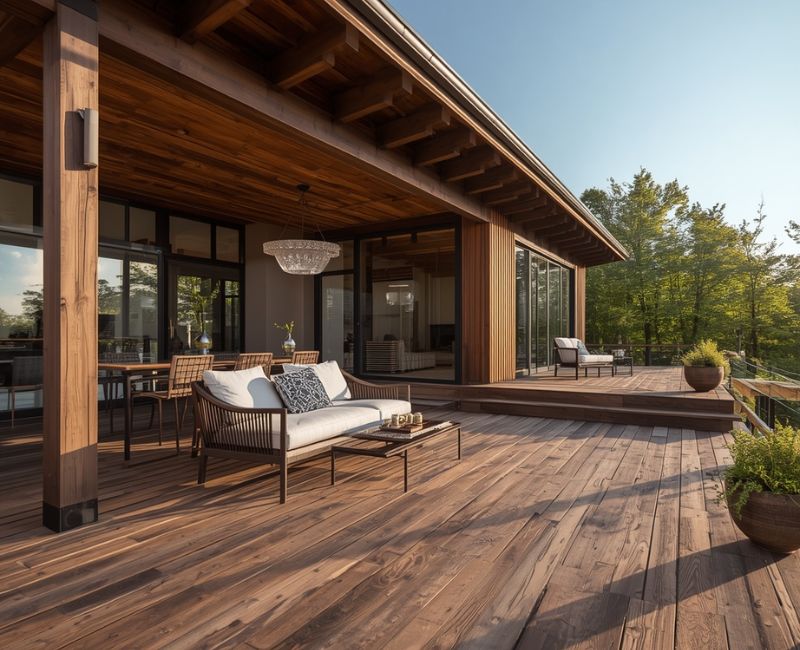
Reclaimed wood is salvaged from old barns, factories, warehouses, and other structures, then repurposed for new construction. For luxury deck design, reclaimed timber offers a level of character and history that manufactured materials simply cannot replicate.
Appearance: Weathered textures, unique grain patterns, and rich patina give reclaimed wood a distinctive, high-end aesthetic that many designers use as a statement feature.
Durability: Because reclaimed wood often comes from old-growth trees with tighter grain, it can be more durable than modern lumber, though condition varies significantly by source.
Maintenance: Reclaimed wood still requires sealing and periodic maintenance similar to conventional wood decking.
Environmental considerations: Reusing existing material avoids new deforestation entirely, making reclaimed wood one of the most resource-conscious choices available.
Limitations: Availability and consistency can be unpredictable, and sourcing high-quality reclaimed wood for a large deck project may require more time and budget flexibility.
Comparing Core Characteristics at a Glance
The table below summarizes the essential characteristics of each material discussed so far, helping you weigh durability, upkeep, and environmental impact side by side.
| Material | Durability | Maintenance Level | Appearance | Environmental Considerations |
| Composite Decking | High; resists rot and insects | Low; occasional cleaning | Wood-grain look, wide color range | Uses recycled plastic and wood fiber |
| Bamboo Decking | Moderate to high when treated | Moderate; periodic sealing | Light, modern, linear grain | Fast-renewing, low-input crop |
| Recycled Plastic Lumber | Very high; immune to rot and pests | Very low | Consistent but less “natural” texture | Diverts plastic waste from landfills |
| Thermally Modified Wood | High; improved decay resistance | Moderate; occasional oiling | Rich, authentic wood grain | Chemical-free processing |
| Reclaimed Wood | Varies by source and age | Moderate to high | Distinctive, weathered character | Prevents new deforestation |
Cost and Suitability for Different Deck Styles
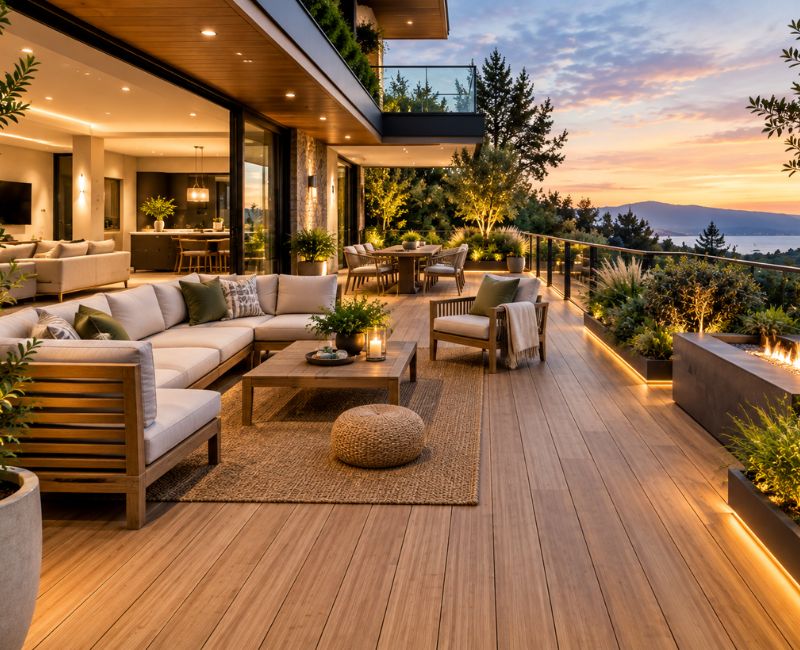
Budget and design goals often determine which material makes the most sense for a given project. Composite decking and recycled plastic lumber tend to have higher upfront costs than basic pressure-treated pine, but their long-term savings on maintenance and replacement often offset the initial investment. Bamboo decking generally falls in a similar mid-to-upper price range, while thermally modified wood and reclaimed wood can vary widely depending on species, source, and regional availability.
For sleek, contemporary homes, composite decking or bamboo often complements clean architectural lines. For rustic or coastal-inspired designs, reclaimed wood or thermally modified timber can add warmth and texture. Recycled plastic lumber works particularly well for poolside decks or humid climates where moisture resistance is a top priority. Selecting among these Eco Friendly Wood Alternatives ultimately depends on balancing your design vision, climate, and long-term maintenance expectations.
Direct Comparison of Sustainable Decking Alternatives
While the earlier table outlines general characteristics, the comparison below focuses on how these materials stack up against one another on the factors homeowners care about most when evaluating Eco Friendly Wood Alternatives for a luxury outdoor project.
| Factor | Composite | Bamboo | Recycled Plastic Lumber | Thermally Modified Wood | Reclaimed Wood |
| Upfront Cost | Moderate–High | Moderate | Moderate–High | Moderate–High | Variable |
| Long-Term Cost | Low (minimal upkeep) | Moderate | Low | Moderate | Moderate–High |
| Moisture Resistance | Excellent | Good (if sealed) | Excellent | Very Good | Good (source-dependent) |
| Authentic Wood Look | Good | Good | Fair | Excellent | Excellent |
| Best For | Modern homes, low upkeep | Contemporary, minimalist design | Coastal or humid climates | Traditional, natural aesthetic | Statement or rustic designs |
Frequently Asked Questions
What Are Eco Friendly Wood Alternatives for Home Building?
These are materials designed to replace traditional lumber while reducing environmental impact, including composite boards made from recycled plastic and wood fiber, bamboo, thermally modified wood, and reclaimed timber. In home building and deck construction alike, these materials aim to lower deforestation impact while offering comparable or improved durability.
Is Sustainable Wood Really Better Than Plastic Alternatives?
It depends on the priority. Sustainably sourced wood, such as thermally modified or reclaimed timber, offers an authentic look and biodegradable composition, while recycled plastic lumber provides superior moisture and pest resistance with virtually no maintenance. Neither option is universally “better”; the right choice depends on climate, budget, and desired appearance.
How to Choose Non Toxic Wood for Furniture and Flooring
Look for wood that has been treated without harsh chemical preservatives, such as thermally modified timber, or finished with low-VOC, water-based sealants. Reclaimed wood is also a strong option, provided it has been inspected and cleaned of old paints or coatings that may contain lead or other contaminants.
How Long Do Eco-Friendly Decking Materials Typically Last?
Lifespan varies by material and climate, but composite and recycled plastic decking often last 25 to 30 years with minimal maintenance, while well-maintained thermally modified or reclaimed wood can last 20 years or more depending on exposure and care.
Can Eco-Friendly Decking Materials Handle Extreme Weather Conditions?
Most modern sustainable decking materials are engineered to withstand significant temperature swings, moisture, and UV exposure. Composite and recycled plastic lumber generally perform best in extreme humidity or coastal conditions, while wood-based options benefit from proper sealing to maintain their weather resistance.
Do Sustainable Decking Materials Require Special Installation Techniques?
Some materials, particularly recycled plastic lumber, expand and contract more with temperature changes and may require specific fastening methods or spacing. It’s advisable to work with an installer experienced in the specific material to ensure long-term structural stability.
Final Thoughts
Choosing among today’s Eco Friendly Wood Alternatives ultimately comes down to matching material performance with your design goals and lifestyle. Composite and recycled plastic lumber offer the lowest maintenance and strongest resistance to moisture and pests, making them ideal for homeowners who want a polished look without ongoing upkeep. Bamboo and thermally modified wood strike a balance between authentic natural aesthetics and improved durability, while reclaimed wood delivers unmatched character for those willing to invest a bit more time and care into maintenance.
Before finalizing your decision, consider your local climate, the architectural style of your home, and how much maintenance you’re realistically willing to commit to each season. Request material samples, ask suppliers about sourcing practices, and factor in long-term costs rather than focusing solely on the initial price tag. With the right research, you can create a luxury outdoor space that is beautiful, durable, and genuinely sustainable for years to come.

Welcome to Cozy Escape Hub! I am Muhammad Hassaan, an AI Powered SEO and content writer with a 2 years of experience.
I help websites rank higher, grow traffic , and look amazing. My goal is to make SEO and web design simple and effective for everyone. Let’s achieve more together!