
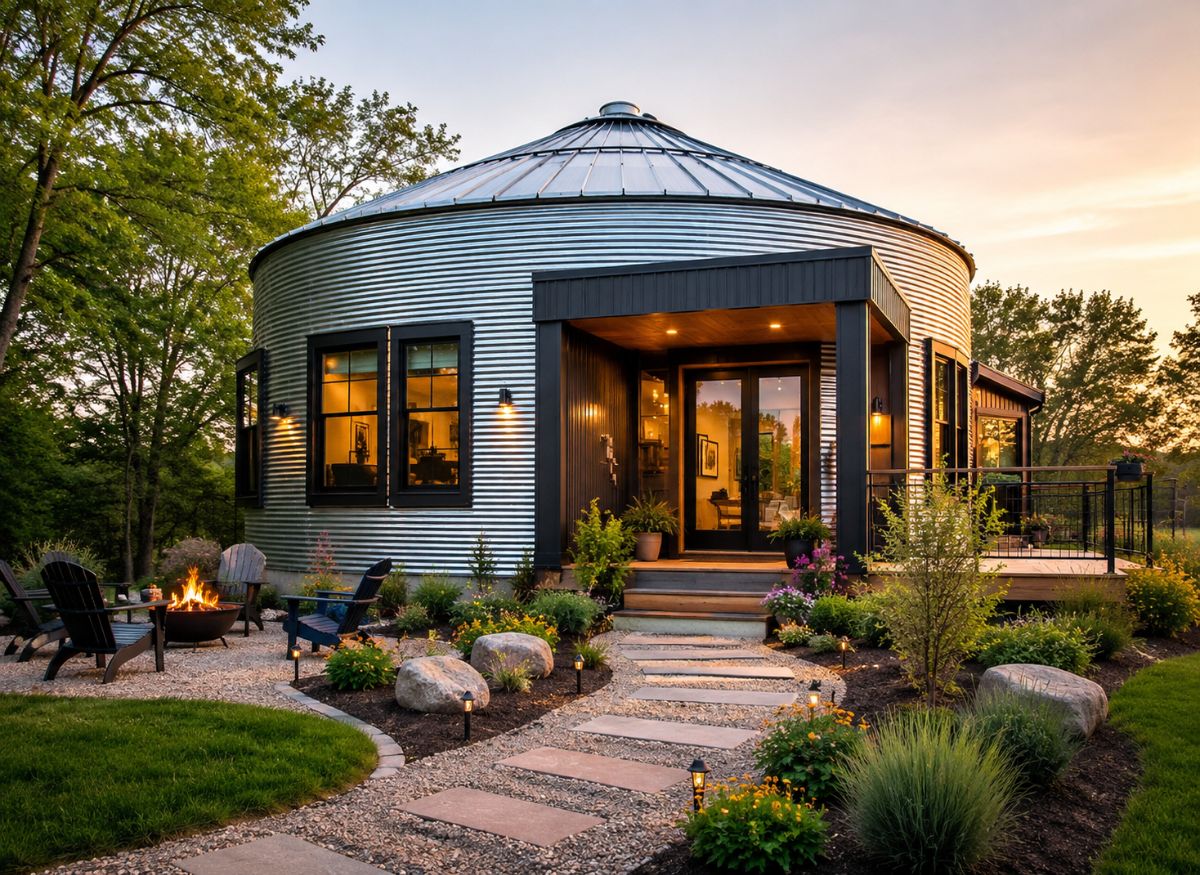
Modern homeowners are moving away from traditional housing styles and exploring creative alternatives that offer personality, sustainability, and long term value. One of the most exciting trends leading this movement is the grain bin house. What was once an agricultural storage structure is now being transformed into a stylish and comfortable living space that attracts homeowners, designers, and investors alike.
The appeal of a grain bin house goes far beyond its unusual appearance. These homes offer durability, energy efficiency, flexible layouts, and a distinctive architectural identity that standard homes often struggle to provide. Whether someone is planning a permanent residence, a guest house, a vacation retreat, or an Airbnb rental, this housing concept provides endless opportunities for creativity. As homeowners continue exploring unconventional living spaces, many are also embracing creative interior concepts and statement furniture pieces that bring individuality into modern homes.
Why Grain Bin Homes Are Becoming Popular
Housing costs continue to rise around the world, encouraging buyers to look for alternatives that provide value without sacrificing comfort. At the same time, many people are becoming more environmentally conscious and prefer construction methods that reduce waste and encourage recycling.
A grain bin house fits perfectly into these modern priorities. Repurposing agricultural structures helps reduce environmental impact while creating something entirely unique. Their circular shape also aligns well with today’s demand for open layouts and modern interior design.
Social media platforms and home renovation shows have further increased interest in these homes, inspiring homeowners to think beyond traditional architecture.
Choosing the Right Grain Bin
Selecting the right structure is one of the most important decisions during the planning process.
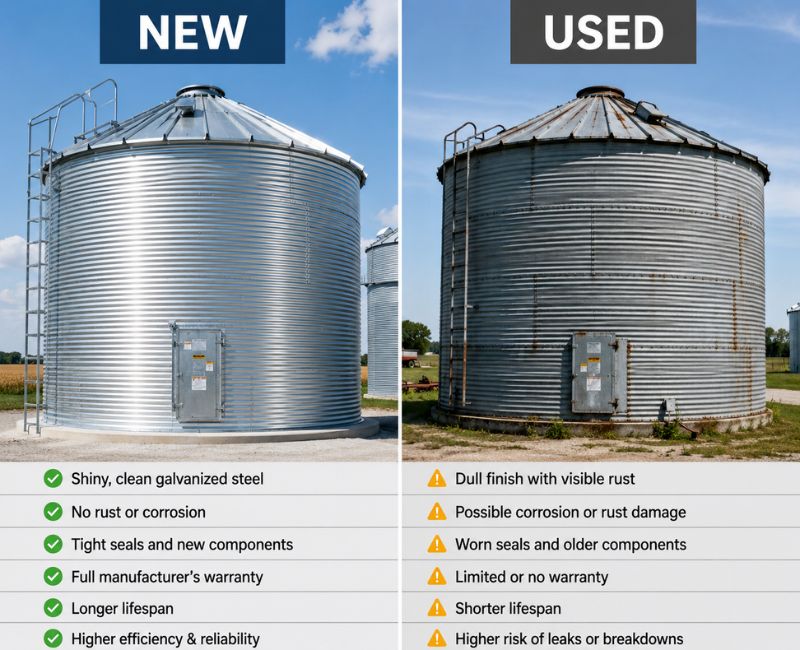
Some homeowners prefer purchasing brand new bins because they offer stronger structural integrity and require fewer repairs. New units also simplify engineering inspections and permit approvals.
Others choose used structures because they are more affordable and support sustainable building practices. However, older bins should be carefully inspected for rust, corrosion, dents, and previous damage before construction begins.
The success of any grain bin house project starts with selecting a high quality structure.
Understanding Building Costs
Budget planning plays a major role in every construction project.
Several factors influence the final cost of a grain bin house, including:
- Size of the structure
- Local labor rates
- Interior finishes
- Utility installation
- Foundation requirements
- Permit fees
In 2026, most projects typically range from $130,000 to $280,000 for standard finishes. Luxury builds with premium materials and advanced technology can exceed $400,000.
Although costs vary, many homeowners find that a well designed grain bin house offers excellent long term value.
Selecting the Ideal Size
The diameter of the structure determines the layout possibilities.
Smaller units between 18 and 24 feet work well for:
- Backyard offices
- Studio apartments
- Guest homes
- Rental cabins
Medium-sized structures ranging from 30 to 42 feet are ideal for couples and small families.
Larger units exceeding 48 feet can comfortably accommodate multiple bedrooms, spacious kitchens, and entertainment areas.
Choosing the correct size for a grain bin house should depend on lifestyle needs rather than simply maximizing square footage.
Creating Functional Floor Plans
Designing a circular home requires a different approach than designing a rectangular one.
Open Concept Layouts
Open layouts remain the most popular option because they complement curved walls naturally.
Typical arrangements include:
- A central living room
- Bedrooms around the perimeter
- Kitchens positioned along exterior walls
- Dining areas near large windows
This approach allows a grain bin house to feel larger and brighter.
Multiple Bin Designs
Some homeowners connect two or more bins using enclosed walkways or glass corridors.
This design offers:
- Greater privacy
- Better room separation
- Additional living space
- Improved furniture placement options
Loft Spaces
The tall ceilings found in many bins make loft areas highly practical.
Popular loft uses include:
- Reading rooms
- Guest bedrooms
- Home offices
- Storage areas
Foundation Requirements
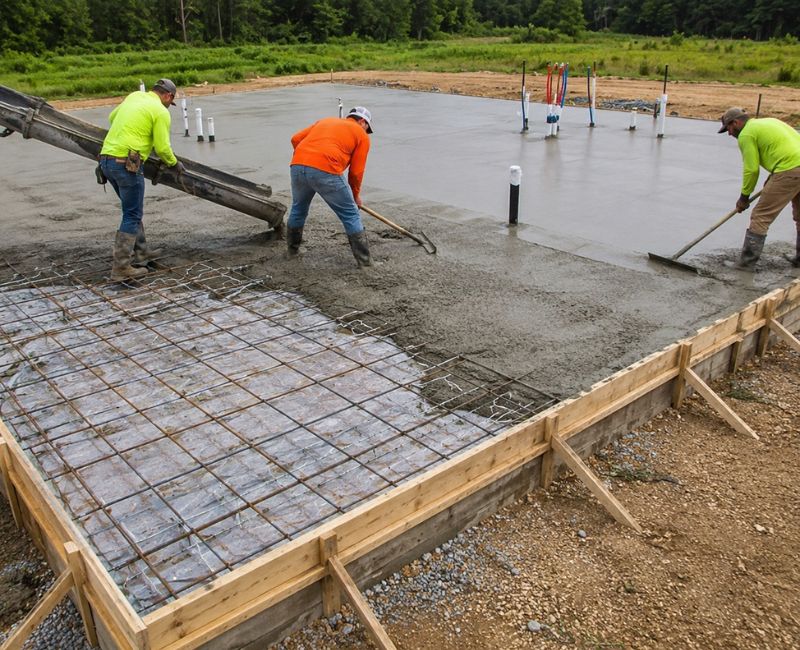
Every successful grain bin house requires a strong and stable foundation.
Concrete slab foundations are often the preferred option because they distribute weight evenly and provide long term durability.
The exact foundation design depends on soil conditions, local climate, and engineering recommendations.
Skipping professional guidance at this stage can create serious structural problems later.
Building Permits and Regulations
One of the biggest mistakes made by first-time builders is assuming that agricultural structures automatically qualify for residential use.
Most projects require:
- Residential zoning approval
- Engineering reports
- Electrical permits
- Plumbing permits
- Final occupancy certificates
Starting the permit process early can prevent costly delays and simplify construction.
Every future owner of a grain bin house should communicate with local authorities before purchasing materials.
Structural Engineering Considerations
Circular buildings distribute weight differently than traditional homes.
Because of this, engineers may recommend:
- Reinforced foundations
- Additional roof support
- Specialized framing systems
- Wind resistance improvements
These upgrades improve safety and help ensure that a grain bin house remains structurally sound for decades.
The Importance of Insulation
Metal surfaces react quickly to outdoor temperatures, making insulation one of the most important parts of the project.
Spray Foam Insulation
Closed-cell spray foam remains the leading choice because it offers:
- Excellent thermal performance
- Moisture resistance
- Air sealing benefits
- Improved comfort levels
Rigid Foam Panels
Rigid insulation boards also provide strong performance and long service life.
Hybrid Insulation Systems
Many builders combine multiple materials to maximize energy efficiency while reducing costs.
A properly insulated grain bin house can remain comfortable throughout both hot summers and cold winters.
Managing Moisture and Condensation
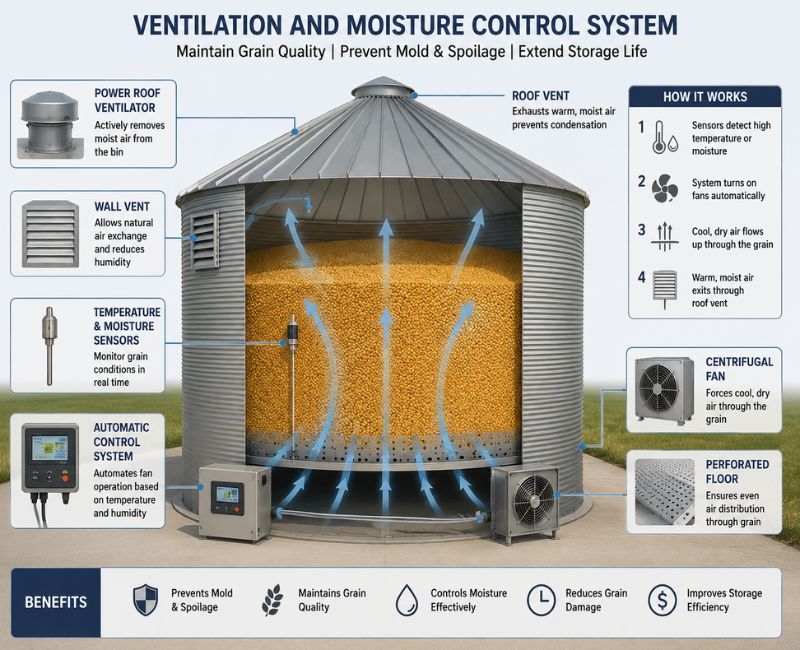
Condensation is one of the biggest challenges associated with metal homes.
Without proper planning, moisture can lead to:
- Mold growth
- Interior damage
- Reduced insulation efficiency
- Poor indoor air quality
Solutions often include:
- Vapor barriers
- Roof ventilation
- Mechanical ventilation systems
- Continuous insulation layers
Addressing these issues early protects the long-term value of the grain bin house.
Window Placement Strategies
Natural light plays a major role in making circular interiors feel welcoming.
Popular options include:
- Floor to ceiling windows
- Sliding glass doors
- Skylights
- Clerestory windows
Large windows help a grain bin house feel more spacious while highlighting the unique curves of the interior walls.
Exterior Design Styles
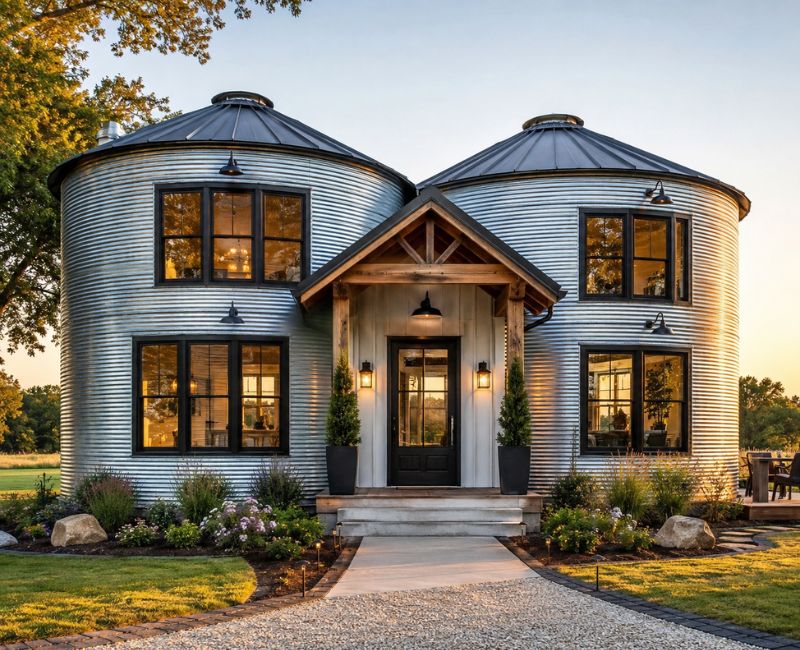
One of the biggest advantages of this housing concept is design flexibility.
Industrial Modern
This style often includes:
- Black metal frames
- Concrete pathways
- Minimal landscaping
- Steel accents
Contemporary Farmhouse
Popular features include:
- White finishes
- Wooden details
- Covered porches
- Stone walkways
Rustic Retreat
This style focuses on:
- Natural wood textures
- Warm lighting
- Native landscaping
- Outdoor seating spaces
Interior Decorating Ideas
Decorating curved walls may seem challenging initially, but many homeowners discover unexpected opportunities.
Helpful ideas include:
- Sectional sofas
- Round dining tables
- Floating shelves
- Built in cabinets
- Custom storage solutions
These choices make a grain bin house feel organized and visually balanced.
Best Interior Styles for Grain Bin Homes
Scandinavian Design
- Neutral colors
- Light wood finishes
- Minimal clutter
Industrial Modern
- Exposed metal details
- Dark fixtures
- Concrete textures
Farmhouse Decor
- Soft color palettes
- Warm fabrics
- Natural materials
Each of these styles works exceptionally well inside a grain bin house. Homeowners who appreciate vintage aesthetics can also incorporate elements inspired by 1920s home decor, including Art Deco details, geometric patterns, brass accents, and elegant lighting fixtures that complement the unique character of a grain bin house.
Energy Efficiency Advantages
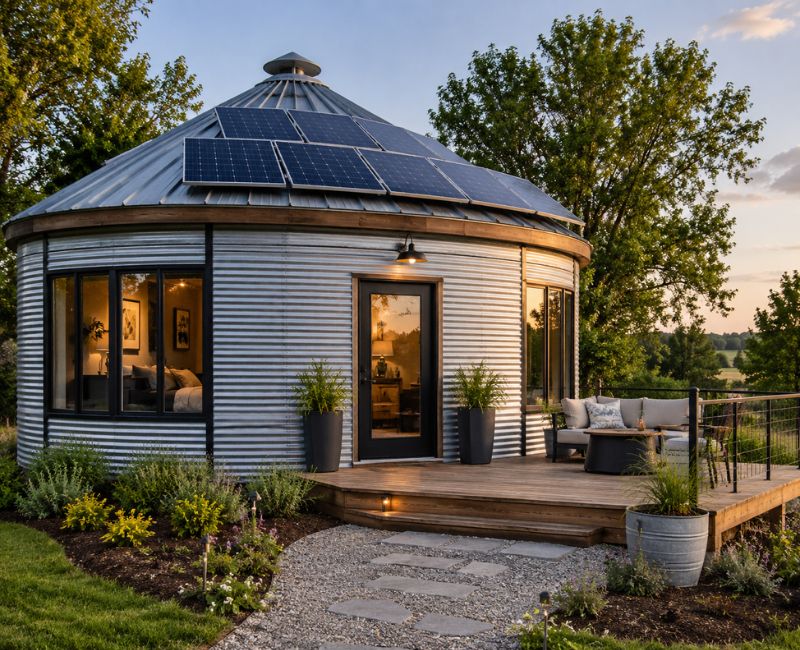
Many homeowners choose this type of home because of its energy-saving potential.
Popular upgrades include:
- Solar panels
- LED lighting
- Smart thermostats
- Energy monitoring systems
- High-performance windows
Combined with proper insulation, these features can significantly reduce monthly utility costs.
Smart Home Features
Technology has become a standard expectation in modern homes.
Recommended additions include:
- Voice assistants
- Smart security systems
- Automated lighting
- Remote climate control
- Motorized blinds
These upgrades improve convenience while increasing resale value.
Common Mistakes to Avoid
Many first-time builders make similar errors during construction.
Avoid these mistakes:
- Purchasing damaged bins
- Ignoring engineering advice
- Delaying permits
- Underestimating insulation costs
- Hiring inexperienced contractors
A successful grain bin house depends heavily on planning and preparation.
Is a Grain Bin House a Good Investment?
The answer depends on design quality, local demand, and location.
Advantages include:
- Unique appearance
- Strong rental appeal
- Long lifespan
- Lower maintenance needs
- Sustainable construction methods
Potential disadvantages include:
- Limited financing options
- Smaller buyer pools
- Fewer comparable property sales
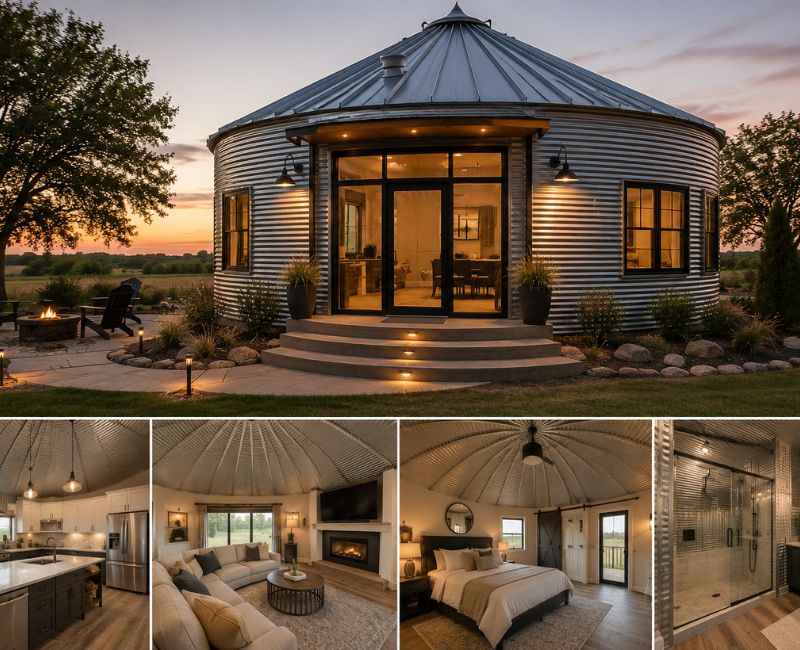
Despite these challenges, the popularity of the grain bin house continues to grow every year.
Frequently Asked Questions
Are grain bin houses cheaper to build than traditional homes?
A grain bin house can sometimes cost less than a conventional home, but the final price depends on factors such as insulation, interior finishes, local labor costs, and engineering requirements. In many cases, the savings come from the structure itself rather than the complete construction process.
How long does a grain bin house last?
With proper maintenance and quality materials, a grain bin house can remain strong and functional for several decades. Regular inspections and protective coatings can further increase its lifespan.
Is a grain bin house safe during strong winds and storms?
Yes. The circular shape of a grain bin house helps distribute wind pressure more evenly than many traditional structures, making it highly resistant to strong winds when properly engineered.
What is the best insulation option for a grain bin house?
Closed-cell spray foam insulation is often considered the best choice because it provides excellent thermal performance, reduces air leakage, and helps control moisture buildup inside metal walls.
Can I build a grain bin house without professional help?
Homeowners can complete certain tasks themselves, such as painting or interior decorating, but structural work, electrical systems, plumbing, and engineering should always be handled by qualified professionals.
Do grain bin houses require special permits?
Yes. Most local authorities require zoning approval, building permits, engineering reports, and inspections before construction can begin on a grain bin house.
Can solar panels be installed on a grain bin house?
Absolutely. Many homeowners add solar panels to improve energy efficiency and reduce long-term electricity costs.
Are grain bin houses suitable for families?
Yes. Larger designs can include multiple bedrooms, bathrooms, home offices, and spacious living areas, making them suitable for both small and large families.
Is financing available for a grain bin house?
Some lenders offer financing for alternative housing projects, although approval requirements may differ from those for traditional homes.
Can a grain bin house increase property value?
A well-designed grain bin house with modern finishes and efficient systems can attract buyers and renters who appreciate unique architecture, potentially increasing long-term property value.
Final Thoughts
Alternative housing is reshaping the future of residential design, and the grain bin house has become one of the most exciting examples of this movement. Combining durability, sustainability, and architectural creativity, these homes offer something that traditional construction often cannot.
From planning and permits to insulation and interior design, every stage requires careful attention to detail. When executed properly, a grain bin house can provide exceptional comfort, lower maintenance costs, and a truly unforgettable living experience. For homeowners looking for a modern, distinctive, and future-focused home in 2026, this innovative housing style represents an opportunity worth exploring.

Welcome to Cozy Escape Hub! I am Muhammad Hassaan, an AI Powered SEO and content writer with a 2 years of experience.
I help websites rank higher, grow traffic , and look amazing. My goal is to make SEO and web design simple and effective for everyone. Let’s achieve more together!