
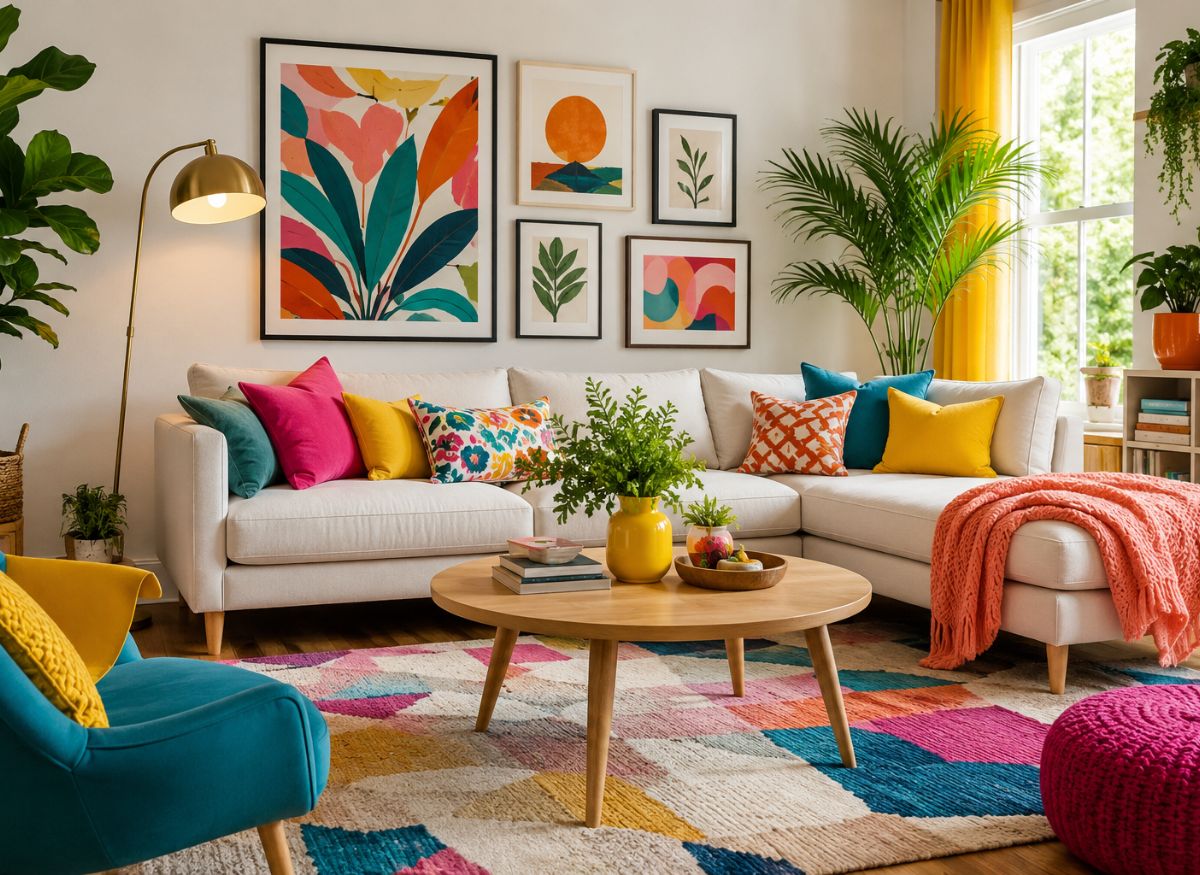
Have you ever entered a colorful room and instantly felt happier? The Psychology of Dopamine Decor explains how bright colors, meaningful décor, and personal touches can positively influence your mood and create a more welcoming home. As more people focus on well-being, this joyful decorating style has become increasingly popular.
Unlike traditional design trends that prioritize matching colors or expensive furniture, dopamine decor encourages you to choose colors and items that genuinely make you smile. Inspired by color psychology and emotional wellness, the Psychology of Dopamine Decor shows how thoughtful design choices can help create a home that feels brighter, more comfortable, and uniquely yours. While colour creates emotion, texture adds warmth and depth. To learn how different materials work together to create a cozy and balanced home, read our guide on The Art of Organizing Textures.
What Is Dopamine Decor?
The Psychology of Dopamine Decor is based on the idea of decorating your home with elements that bring genuine happiness. The term “dopamine decor” became popular as homeowners began moving away from strict minimalist trends and started embracing colorful, personality-filled spaces.
Dopamine is often called the brain’s “feel-good” chemical because it plays an important role in motivation, reward, and pleasure. Although simply painting a wall a bright color does not directly increase dopamine levels in a guaranteed way, decorating with colors and meaningful objects that you personally enjoy can improve your mood and create a more positive environment.
Instead of following every new design trend, dopamine decor encourages you to choose what truly makes you happy. That may include colorful artwork, bold furniture, patterned cushions, handmade decorations, travel souvenirs, or family photographs.
The Science Behind Color and Happiness
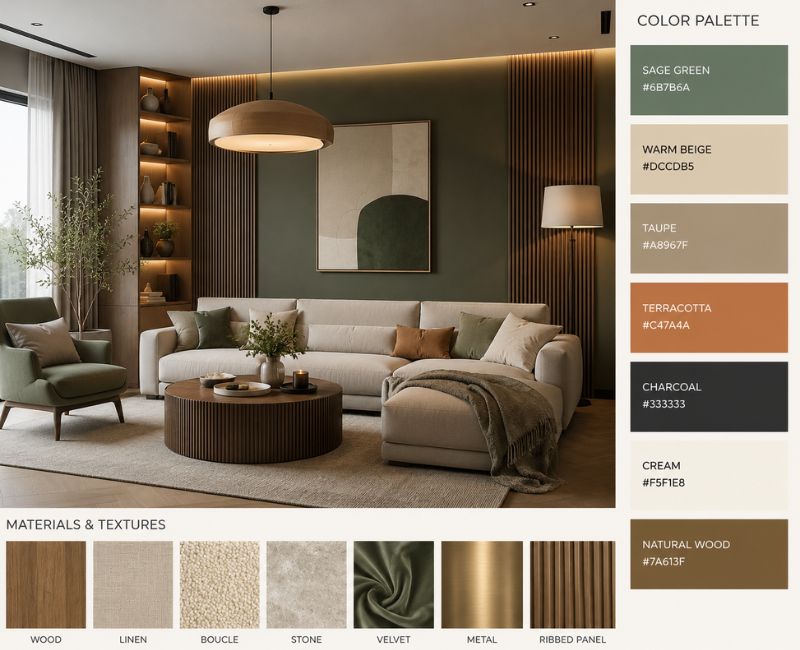
The Psychology of Dopamine Decor is closely connected to color psychology. Researchers have long studied how different colors influence human emotions and behavior. While people’s reactions to color vary based on culture and personal experiences, some general patterns are commonly observed.
Warm colors such as yellow, orange, and coral often create feelings of energy, optimism, and excitement. Cool colors like blue and green usually encourage calmness, relaxation, and balance. Soft pinks can create a comforting atmosphere, while rich purples may inspire creativity and imagination.
Natural light also changes how colors are experienced. A bright room with large windows can make vibrant colors feel fresh and welcoming, while darker spaces may benefit from lighter shades that reflect more light.
The Psychology of Dopamine Decor reminds us that color is more than decoration. It shapes the emotional experience of every room in your home.
Why Colourful Homes Can Improve Your Mood
Many people find that spending time in a thoughtfully decorated space helps them feel calmer, more comfortable, and at ease.The Psychology of Dopamine Decor explains that colorful spaces often stimulate positive emotions by making everyday environments feel more enjoyable.
A cheerful room can help reduce feelings of boredom and make daily routines feel less stressful. For example, preparing breakfast in a bright kitchen or reading in a cozy room with colorful cushions can make ordinary moments for Psychology of Dopamine Decor more pleasant.
Colorful homes also encourage creativity. Artists, writers, designers, and remote workers often personalize their workspaces with colors that keep them motivated throughout the day.
Another benefit is emotional comfort. Rooms decorated with favorite colors, meaningful artwork, and treasured memories often feel more personal than spaces designed only to follow trends.
Choosing Colors That Match Your Personality
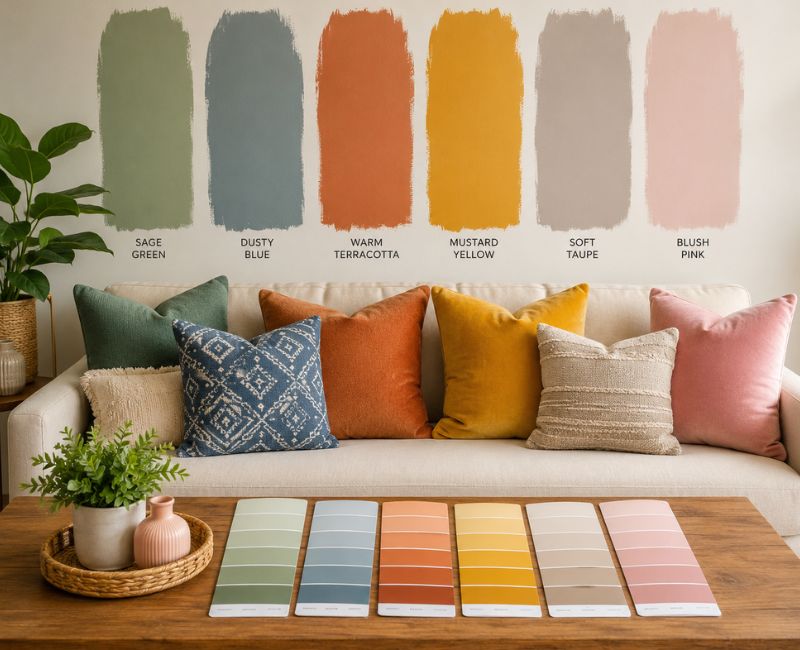
One of the biggest lessons from the Psychology of Dopamine Decor is that there is no single perfect color palette for everyone. Your home should reflect your personality rather than someone else’s preferences.
If you enjoy peaceful surroundings, soft blues, sage greens, warm creams, and muted lavender may create the relaxing atmosphere you want. These colors work well in bedrooms, reading corners, and meditation spaces.
If you love excitement and energy, bold shades like mustard yellow, coral, teal, emerald green, or burnt orange may better suit your lifestyle. These colors can add life to living rooms, dining areas, or creative studios.
People who appreciate balance often combine neutral walls with colorful accessories. This approach allows them to refresh their interiors without completely redesigning every room.
The Psychology of Dopamine Decor encourages personal expression rather than strict decorating rules.
Bringing Dopamine Decor Into Every Room
You do not need a complete home renovation to enjoy the benefits of dopamine decor. Small changes can make a noticeable difference. If you enjoy decorating with bright seasonal colors, you can also explore our Spring Room Decor Ideas for more inspiration.
Living Room
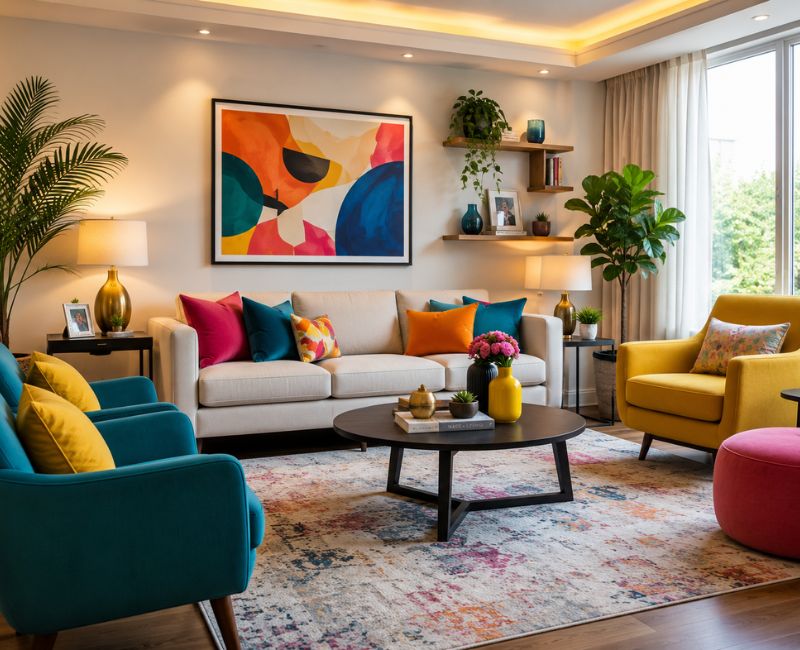
The living room is usually the main gathering space where family members come together to relax, spend time, and create lasting memories. Add colorful throw pillows, textured blankets, artwork, indoor plants, or a vibrant area rug to create a welcoming environment.
Bedroom
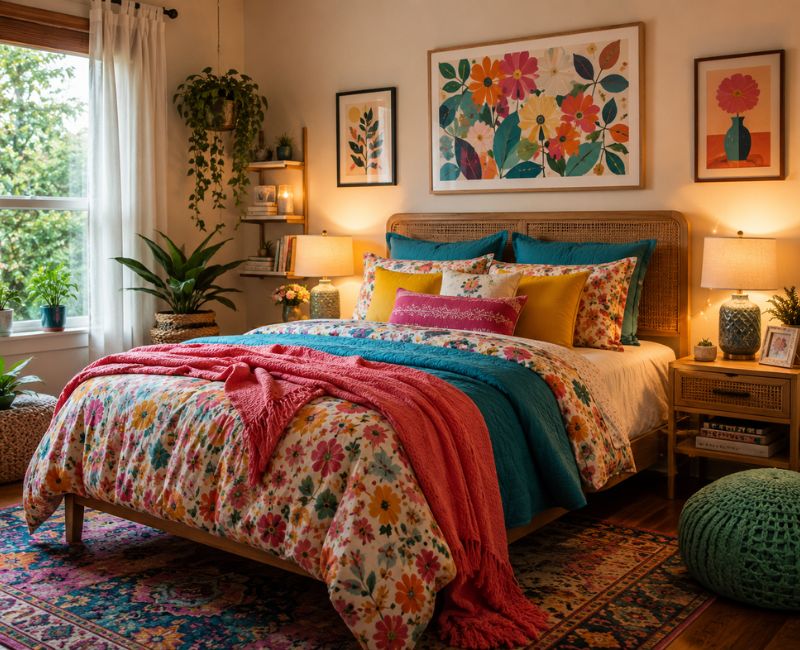
Your bedroom should feel peaceful while still reflecting your personality. Soft colors mixed with cheerful accent pieces, comfortable bedding, and meaningful decorations can create a relaxing retreat.
Kitchen
Bright dishware, colorful bar stools, fresh flowers, or painted cabinets can make cooking feel more enjoyable. Even simple changes like colorful mugs or patterned towels can refresh the space.
Home Office
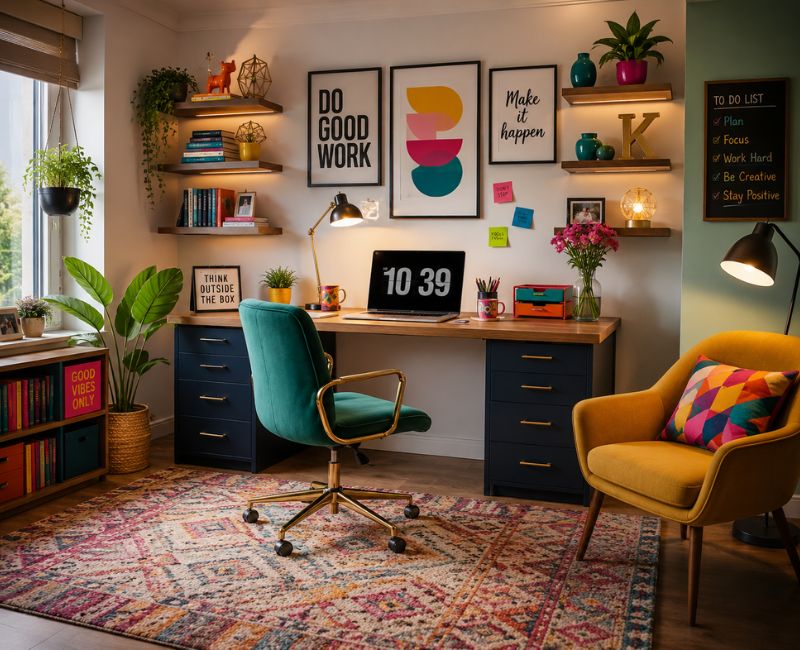
A productive workspace should inspire creativity. Add artwork, colorful stationery, decorative shelves, or plants to create an office that feels motivating instead of dull.
The Psychology of Dopamine Decor shows that every room can support emotional well-being when it reflects your unique taste and lifestyle.
Personal Meaning Matters More Than Trends
One of the most valuable ideas behind the Psychology of Dopamine Decor is that happiness comes from personal connection rather than expensive design.
A handmade painting from a child, souvenirs collected during travel, vintage furniture passed down through generations, or photographs of loved ones often bring more joy than expensive decorations purchased simply because they are fashionable.
When decorating your home, ask yourself a simple question: “Does this make me happy?” If the answer is yes, it deserves a place in your space.
Rather than copying every trend on social media, focus on building a home filled with memories, comfort, and colors that genuinely reflect who you are.
Practical Ways to Apply Dopamine Decor on Any Budget

A common myth is that creating a colorful home requires a large budget. In reality, the Psychology of Dopamine Decor proves that even small changes can make a space feel more cheerful and inviting. You do not need designer furniture or expensive artwork to transform your home.
Start by replacing plain cushions with colorful ones that reflect your personality. Add a bright throw blanket to your sofa or bed for an instant refresh. Hanging artwork that makes you smile can also change the atmosphere of a room without major renovations.
Houseplants are another affordable way to introduce life and color into your home. Greenery creates a fresh feeling and pairs well with almost every color palette. psychology of Dopamine Decor Even a few potted plants can make a room feel more vibrant.
Painting a single accent wall is another simple update. Instead of repainting your entire home, choose one wall in a color that brings you joy. This approach creates visual interest while keeping costs low.
The Psychology of Dopamine Decor teaches that meaningful changes often matter more than expensive purchases.
Mixing Colors Without Overwhelming Your Space
Some people worry that colorful decorating will make their homes feel messy. The good news is that balance is the key to successful dopamine decor.
Choose one or two main colors and then add complementary shades through pillows, rugs, artwork, curtains, or decorative accessories. Neutral walls can provide a calm background while colorful accents become the main focus.
Texture also plays an important role. Combining wood, woven baskets, soft fabrics, ceramic vases, and natural materials adds warmth without making a room feel crowded.
The Psychology of Dopamine Decor is not about filling every corner with bright colors. It is about creating harmony between joyful colors and comfortable living spaces.
The Emotional Benefits Beyond Appearance
A colorful home offers more than visual beauty. Many people find that personalized spaces encourage relaxation, creativity, and emotional comfort.
When your surroundings reflect your personality, everyday routines become more enjoyable. Reading a book, sharing meals with family, or working from home can feel more pleasant in an environment designed around happiness.
The Psychology of Dopamine Decor also encourages mindfulness. Instead of buying decorations simply because they are popular, you begin choosing items that have personal meaning. This creates a stronger emotional connection with your home.
Children often respond positively to cheerful spaces filled with playful colors, while adults may appreciate calming shades that help them unwind after busy days. Every family member can benefit from thoughtful design choices.
Common Mistakes to Avoid
Although dopamine decor celebrates creativity, there are a few mistakes that can reduce its positive impact.
One common mistake is using too many bright colors at once. A room filled with competing shades can feel chaotic instead of joyful. Balance bold colors with neutral backgrounds whenever possible.
Another mistake is following trends without considering your own preferences. A design that looks beautiful online may not feel comfortable in your daily life. Always decorate for yourself rather than for social media.
Ignoring lighting is another issue. Natural and artificial lighting affect how colors appear throughout the day. Always test paint samples before committing to a new color.
Many homeowners also forget about functionality. Beautiful rooms should remain comfortable and practical. Avoid filling every surface with decorations that make everyday activities difficult.
Finally, do not rush the decorating process. The Psychology of Dopamine Decor works best when your home evolves naturally over time through thoughtful choices.
Expert Tips for Creating a Happier Home
Begin with one room instead of redesigning your entire house. Small improvements are easier to manage and help you discover which colors make you feel happiest.
Choose decorations that have personal stories. Family photos, travel souvenirs, handmade crafts, and meaningful artwork create stronger emotional connections than generic decorations.
Mix bright accents with timeless furniture. This allows you to update your space easily without replacing expensive pieces.
Use natural light whenever possible. Open curtains during the day and position mirrors to reflect sunlight throughout the room.
Refresh your décor with the seasons. Changing cushion covers, blankets, flowers, or artwork keeps your home feeling fresh while maintaining your favorite color palette.
Most importantly, trust your instincts. The Psychology of Dopamine Decor is about creating a home that supports your happiness rather than impressing others.
Frequently Asked Questions (FAQs)
1. What is dopamine decor?
Dopamine decor is an interior design style that uses bright colors, bold patterns, and meaningful decorations to create a happier and more uplifting living space.
2. Why do colorful homes make people happier?
Colorful homes can improve mood, boost creativity, reduce stress, and make everyday spaces feel more welcoming and energetic.
3. Which colors work best for dopamine decor?
Yellow, orange, pink, blue, green, and vibrant shades are popular choices because they can evoke positive emotions and energy.
4. Can dopamine decor work in small spaces?
Yes. Adding colorful cushions, artwork, rugs, or accent walls can bring the dopamine decor style into even the smallest rooms for a good Psychology of Dopamine Decor.
5. Is dopamine decor suitable for every home?
Yes. You can customize dopamine decor to match your personal style, whether you prefer subtle pops of color or bold, playful interiors.
6. How can I start creating a dopamine-inspired home?
Start with colorful accessories, indoor plants, unique artwork, and furniture that reflects your personality to create a joyful and comfortable space.
Final Thoughts
The Psychology of Dopamine Decor reminds us that our homes influence how we feel every single day. While no decorating style can guarantee happiness or replace professional mental health support, colorful and meaningful spaces can improve comfort, encourage creativity, and make everyday life more enjoyable.
Whether you introduce a vibrant accent wall, display treasured memories, add indoor plants, or simply choose colors that make you smile, every thoughtful change helps create a home that feels uniquely yours.

Welcome to Cozy Escape Hub! I am Muhammad Hassaan, an AI Powered SEO and content writer with a 2 years of experience.
I help websites rank higher, grow traffic , and look amazing. My goal is to make SEO and web design simple and effective for everyone. Let’s achieve more together!