

Modern homes are designed to balance comfort, functionality, and style, but limited space can make everyday organization challenging. Whether living in a small apartment or a compact family house, choosing the right space-saving furniture and smart storage solutions can make a significant difference.
From multifunctional designs to vertical storage ideas and minimalist interiors, there are many ways to maximize available space without compromising beauty. A well-organized home also creates a more relaxing environment by reducing clutter and improving functionality. With thoughtful planning and practical design choices, homeowners can transform every corner into a useful, comfortable, and stylish living space.
1. Why Space-Saving Solutions Are Important in Modern Homes
Modern lifestyles often require homes to serve multiple purposes. A living room may also function as a workspace, a bedroom might include a study area, and a small dining space may need to accommodate family activities. Without thoughtful organization, these overlapping functions can make rooms feel crowded.
Space-saving solutions help homeowners make better use of their existing layouts without necessarily expanding their properties. They also encourage more organized living by reducing unnecessary furniture, improving storage, and creating clear walking areas.
Making Small Homes More Functional
A well-planned small home can provide the same essential comfort as a larger property. The key is selecting furniture and storage options that support everyday activities without occupying unnecessary floor space.
For example, a storage bed can provide room for extra bedding, while a folding dining table can create additional space when meals are finished. These practical choices allow homeowners to enjoy more usable floor area.
Creating a Comfortable and Clutter-Free Environment
Too many visible belongings can make even a spacious room feel uncomfortable. Proper storage keeps frequently used items accessible while placing seasonal or rarely used belongings out of sight.
A cleaner layout also makes everyday activities easier. When furniture, decorations, and storage have designated positions, maintaining an organized home becomes less difficult.
2. Choose Multifunctional Furniture for Better Space Management

Multifunctional furniture is one of the most practical ways to maximize limited living space. Instead of purchasing separate pieces for every activity, homeowners can choose furniture that performs two or more functions.
These designs are particularly useful in studio apartments, small bedrooms, and homes where several activities take place in the same room.
Storage Beds for Bedrooms
A storage bed combines comfortable sleeping space with additional room for household belongings. Some designs include drawers beneath the mattress, while others feature a lifting mechanism that reveals a large hidden compartment.
These beds can store extra blankets, pillows, seasonal clothing, and other items that would otherwise require a separate cabinet.
Sofa Beds for Living Areas
A sofa bed provides seating during the day and converts into a sleeping surface when needed. It is useful for guest rooms, studio apartments, and small living rooms where a permanent guest bed may not be practical.
Homeowners should consider mattress comfort, opening mechanisms, and available floor clearance before choosing a sofa bed.
Ottoman Furniture with Hidden Storage
Storage ottomans offer a convenient combination of seating, decoration, and organization. They can be placed beside sofas, at the end of beds, or near entryways.
Their hidden compartments are suitable for storing magazines, blankets, remote controls, and small household accessories.
Extendable and Folding Dining Tables
A folding or extendable dining table provides flexibility for everyday meals and occasional gatherings. A compact design can remain folded when not in use and expand when additional seating is required.
This option is especially useful for apartments where a full-size dining table would take up too much permanent space.
3. Use Vertical Space to Increase Storage Capacity

One common mistake in small homes is focusing only on floor space. Walls and other vertical surfaces often provide valuable storage opportunities that remain unused.
Using vertical space helps homeowners organize belongings while keeping floors more open.
Install Floating Shelves on Empty Walls
Floating shelves provide storage without requiring large cabinets or bulky furniture. They can hold books, small plants, decorative objects, framed pictures, and everyday essentials.
In living rooms, shelves can be installed above sofas or beside entertainment units. In bedrooms, they can replace oversized bedside tables.
However, shelves should be installed securely and positioned at practical heights to maintain both safety and convenience.
Use Tall Cabinets and Bookcases
Tall storage units make use of available wall height rather than spreading across the entire floor. A narrow bookcase or vertical cabinet can provide considerable storage without occupying as much floor area as a wide unit.
These pieces work particularly well in home offices, bedrooms, hallways, and living areas.
Add Over-the-Door Storage Organizers
Doors can provide useful storage opportunities for lightweight household items. Over-the-door organizers are suitable for shoes, accessories, cleaning supplies, and small bathroom essentials.
They are especially helpful in homes where closet space is limited. Before installing one, homeowners should check door clearance to ensure it opens and closes properly.
4. Create Smart Storage Solutions for Small Bedrooms

Bedrooms should feel peaceful and comfortable, but limited storage can make them difficult to organize. A combination of compact furniture, hidden compartments, and thoughtful arrangements can improve both appearance and functionality.
Make Better Use of Under-Bed Storage
The area beneath a bed is often overlooked. Storage boxes, rolling containers, and built-in drawers can turn this unused area into a convenient storage zone.
Transparent containers make it easier to identify belongings, while labeled boxes help keep seasonal clothing and accessories organized.
Install Wall-Mounted Nightstands
Traditional bedside tables can take up valuable floor space, especially in narrow bedrooms. Wall-mounted nightstands provide a practical alternative by keeping essential items within reach without occupying the floor.
A compact shelf with a small drawer can hold a phone, reading glasses, a book, and other nighttime necessities.
Use Sliding Closet Doors
Traditional closet doors require additional clearance when opened. Sliding doors move along a track, making them useful in bedrooms where furniture is positioned close to the wardrobe.
Mirrored sliding doors can also reflect natural light and create the impression of a more open room.
5. Make Small Living Rooms Feel More Spacious

The living room is often the main gathering area in a home. It needs to accommodate seating, entertainment, and sometimes additional activities. A carefully arranged layout can help the room feel larger without sacrificing comfort.
Select Compact and Space-Saving Sofas
Large sofas can overwhelm smaller living rooms and restrict movement. A compact sofa, apartment-size sectional, or appropriately sized loveseat may provide comfortable seating while preserving more open floor space.
Before purchasing furniture, homeowners should measure the room and consider doorways, walking paths, and other essential clearances.
Use Nesting Tables Instead of Bulky Coffee Tables
Nesting tables are designed to fit together when they are not needed. They can be separated when additional surfaces are required and tucked away afterward.
This flexible arrangement is useful for serving drinks, displaying decorative objects, or providing temporary surfaces for guests.
Mount the Television on the Wall
A wall-mounted television can eliminate the need for a large entertainment cabinet. A slim floating shelf or compact media console can hold essential devices while keeping the overall layout simple.
Concealing cables with appropriate cable-management solutions can also create a cleaner appearance.
6. Transform Small Kitchens with Intelligent Storage Ideas

Kitchens contain many items, including cookware, dishes, food containers, appliances, and cleaning supplies. Without an effective organization system, countertops and cabinets can quickly become crowded.
Smart storage solutions help make cooking areas more efficient and easier to maintain.
Install Pull-Out Pantry Shelves
Pull-out pantry shelves make it easier to access items stored at the back of cabinets. Instead of moving several containers to reach one ingredient, homeowners can slide the storage unit outward.
These systems are especially useful in narrow kitchens and compact pantry areas.
Use Drawer Dividers and Cabinet Organizers
Drawer dividers separate utensils, cooking tools, and kitchen accessories into designated sections. Cabinet organizers can create additional levels for plates, cups, and other supplies.
Organized storage reduces unnecessary searching and helps prevent cabinets from becoming overcrowded.
Make Use of Empty Wall Space
Wall-mounted rails, hooks, and compact shelves can hold frequently used kitchen tools. Items such as cooking utensils, mugs, and lightweight accessories can remain accessible without filling drawers.
However, frequently used surfaces should stay organized, and heavy cookware should only be mounted using suitable hardware.
7. Maximize Bathroom Space Without Sacrificing Style
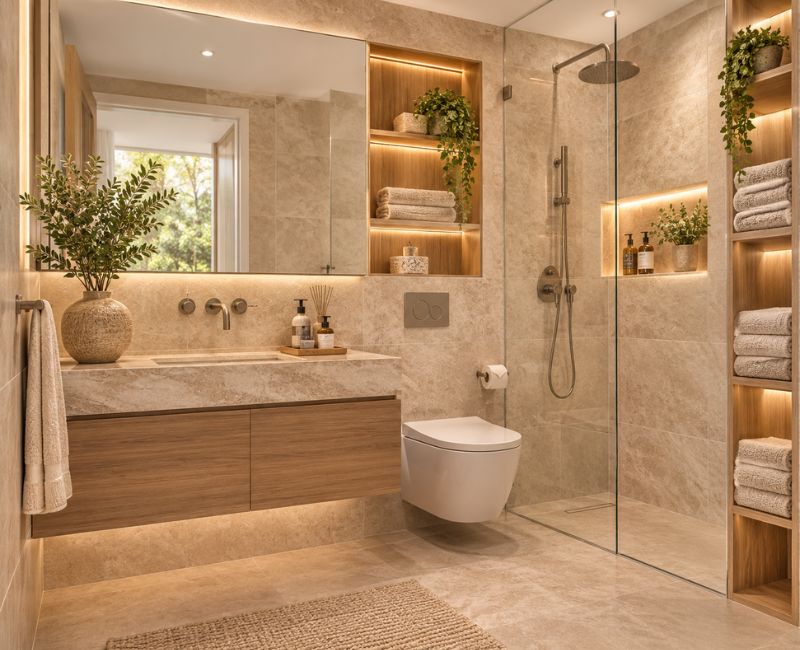
Bathrooms often have limited floor space, making storage planning especially important. The right combination of wall-mounted fixtures and compact organizers can improve functionality while maintaining a clean appearance. Beyond storage and organization, carefully selected wall decorations can also improve the appearance of a compact bathroom. Homeowners can explore these moisture-resistant bathroom wall art ideas to create a stylish interior while choosing artwork suitable for humid environments.
Install Floating Bathroom Vanities
Floating vanities are attached to the wall rather than resting directly on the floor. Their raised design creates visible floor space and can make a small bathroom appear less crowded.
Some models also include drawers and cabinets for toiletries, towels, and cleaning products.
Add Recessed Wall Niches
A recessed wall niche provides storage within the wall structure rather than extending into the room. It can be useful inside shower areas or above bathroom vanities.
Proper waterproofing and professional installation are important, particularly when working with shower walls.
Use Vertical Towel Storage
Wall-mounted towel racks and narrow shelving units provide convenient storage without requiring large floor-standing cabinets.
Hooks behind doors can also help keep towels accessible while freeing up other storage areas.
8. Design a Flexible Home Office in Limited Space
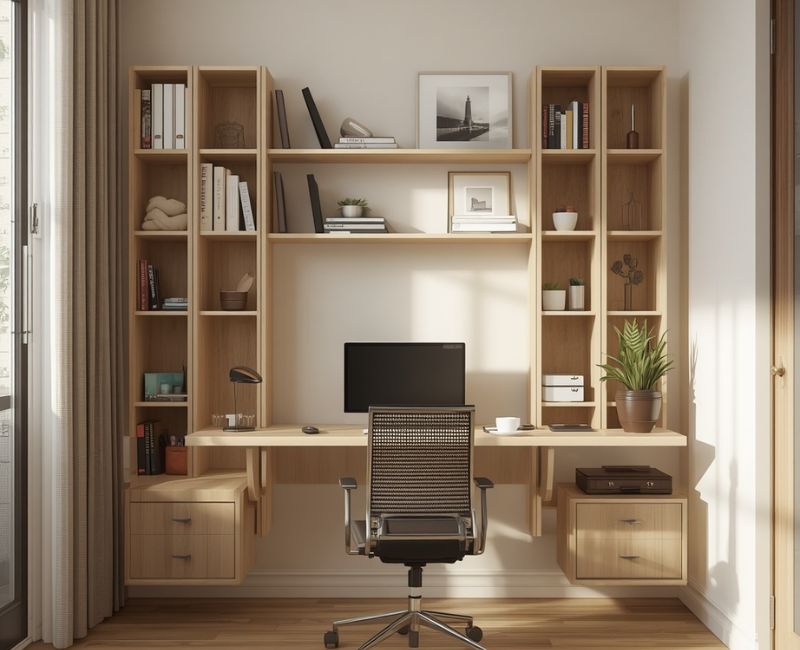
Remote work and home-based activities have made dedicated workspaces increasingly useful. However, not every home has an extra room available for an office.
A flexible workstation can provide a productive environment without taking over an entire living area.
Choose a Wall-Mounted Folding Desk
A folding desk can be opened when work begins and closed when the workspace is no longer needed. Some designs include small shelves or compartments for stationery and electronic accessories.
This makes them suitable for bedrooms, living rooms, and compact apartments.
Organize Cables and Office Supplies
Loose cables and scattered accessories can make a small workstation feel cluttered. Cable clips, storage boxes, drawer organizers, and desk trays help keep essential items organized.
Keeping only frequently used supplies on the desk also creates a more comfortable working surface.
Use Vertical Shelving Above the Desk
Wall-mounted shelves can hold books, documents, and decorative accessories. Positioning storage above the workstation helps preserve desk space for a computer and other work essentials.
9. Use Entryway Storage to Reduce Household Clutter
An entryway is often the first area people see when entering a home. Shoes, bags, jackets, and everyday accessories can quickly create a messy appearance when there is no designated storage.
A compact organization system can make this area more practical.
Install a Slim Shoe Cabinet
A narrow shoe cabinet can store footwear without occupying as much floor space as a traditional shoe rack. Some designs feature angled compartments that allow shoes to fit into a shallow unit.
This makes them particularly useful for narrow hallways and apartment entrances.
Add Wall Hooks and Small Storage Benches
Wall hooks provide convenient places for coats, hats, bags, and keys. A small storage bench can offer seating while keeping footwear and accessories organized underneath.
Combining these pieces creates a functional entryway without requiring bulky furniture.
10. Choose Light Colors and Smart Lighting to Open Up Small Rooms
Furniture and storage are important, but visual design also influences how spacious a room feels. Light colors, natural illumination, and balanced decoration can make compact interiors appear more open. For additional inspiration, homeowners can explore these modern home ideas and interior design trends to discover stylish ways to improve their living spaces while maintaining comfort and functionality.
Use Neutral Colors for a Spacious Appearance
Soft white, warm beige, light gray, and pale cream can help create a bright and comfortable atmosphere. These colors reflect more light than many darker finishes, particularly when used across walls and larger surfaces.
A neutral foundation can also make it easier to introduce color through cushions, artwork, rugs, and accessories.
Maximize Natural Light
Natural light can make small rooms feel more welcoming. Keeping windows unobstructed, choosing lightweight curtains, and avoiding oversized furniture near windows can help daylight travel through the room.
Mirrors positioned thoughtfully can reflect available light and add visual depth.
Avoid Excessive Decorative Accessories
Decorative objects can add personality, but too many small accessories may make limited surfaces look crowded. Selecting a few meaningful pieces creates a cleaner and more balanced interior.
The aim is to maintain character without filling every available surface.
11. Compare Different Space-Saving Solutions for Modern Homes
Not every storage option works equally well in every home. The best choice depends on available floor space, household needs, furniture dimensions, and budget.
The following table compares practical solutions and where they work best.
| Space-Saving Solution | Best Area | Main Benefit |
| Storage bed | Bedroom | Hidden storage for bedding and clothing |
| Sofa bed | Living room | Seating and occasional sleeping |
| Floating shelves | Any room | Uses unused wall space |
| Folding desk | Home office | Creates a temporary workspace |
| Nesting tables | Living room | Flexible surfaces with compact storage |
| Pull-out pantry | Kitchen | Improves access to stored items |
| Slim shoe cabinet | Entryway | Organizes footwear in narrow spaces |
| Floating vanity | Bathroom | Creates visible floor space |
How to Select the Right Storage Option
Before purchasing furniture or installing storage systems, homeowners should identify their most common space-related problems.
For example, a bedroom with limited closet capacity may benefit more from a storage bed than from additional decorative shelving. Similarly, a small living room may need compact seating and nesting tables rather than a large entertainment center.
Choosing solutions according to actual household needs helps prevent unnecessary purchases.
12. Budget-Friendly Ways to Save Space in Modern Homes
Improving a home does not always require expensive renovations or custom furniture. Many useful changes can be made with affordable organizers and simple adjustments.
Repurpose Existing Furniture
Before purchasing new furniture, consider whether existing pieces can serve additional purposes. A sturdy storage box can become a bedside organizer, while a small bookshelf can provide storage in several different rooms.
Repurposing suitable furniture reduces unnecessary expenses and helps homeowners make better use of belongings they already own.
Declutter Before Adding Storage
Buying more storage products does not always solve an organization problem. Unused clothing, duplicate kitchen tools, old paperwork, and broken accessories can occupy valuable space.
Sorting belongings into items to keep, donate, recycle, or discard can make existing storage areas more effective.
Use Affordable Drawer and Closet Organizers
Simple dividers, baskets, hooks, and storage containers can improve organization without requiring major changes.
These accessories are particularly useful for separating small belongings and keeping frequently used items easy to find.
13. Common Space-Saving Mistakes Homeowners Should Avoid
Even well-intentioned storage improvements can make a home feel less comfortable when they are not planned carefully.
Overcrowding rooms with multifunctional furniture: Furniture that performs several functions is useful, but adding too many pieces can create unnecessary visual clutter. Choose only items that support everyday activities.
Ignoring measurements before purchasing: A cabinet or sofa may look suitable online but occupy too much space once installed. Measure room dimensions, doorways, and walking areas before buying.
Using every wall for storage: Vertical storage is valuable, but filling every wall with shelves and cabinets can make a room feel visually heavy. Leave some open areas to maintain balance.
Blocking natural light: Oversized cabinets and tall furniture placed directly in front of windows can reduce available daylight. Consider window positions when arranging furniture.
Choosing appearance over practicality: Attractive storage furniture should also be easy to access, durable, and suitable for the belongings it needs to hold.
14. How to Create a Practical Space-Saving Plan for Your Home
A successful space-saving project begins with a clear understanding of how each room is used. Instead of changing the entire home at once, homeowners can make improvements gradually. Homeowners looking for more inspiration can also explore these modern home ideas and practical design inspirations to discover creative approaches to improving home functionality and overall interior appearance.
Start by identifying areas where clutter creates the biggest problems. Measure available spaces and list the items that need storage. Next, decide whether multifunctional furniture, vertical shelving, hidden compartments, or smaller accessories would provide the most useful improvement.
It is also important to consider how people move through each room. Furniture should not block doorways, windows, or essential walking paths. Frequently used belongings should remain accessible, while seasonal and rarely used items can be stored in less accessible areas.
Finally, review the arrangement after using it for a few weeks. A practical organization system should make daily activities easier rather than introduce additional work.
A Simple Room-by-Room Planning Guide
| Room | First Improvement to Consider | Additional Idea |
| Bedroom | Under-bed storage | Wall-mounted nightstand |
| Living room | Compact sofa | Nesting coffee tables |
| Kitchen | Drawer organizers | Pull-out pantry |
| Bathroom | Floating vanity | Recessed wall niche |
| Home office | Folding desk | Vertical shelving |
| Entryway | Slim shoe cabinet | Wall hooks |
Frequently Asked Questions (FAQs)
1. What is the best space-saving solution for modern homes?
Multifunctional furniture is one of the most practical solutions for modern homes. Storage beds, sofa beds, folding desks, and extendable dining tables help homeowners use limited space more efficiently while maintaining comfort and functionality.
2. How can I make a small home look bigger?
Using light colors, mirrors, natural lighting, compact furniture, and organized storage can make a small home appear more spacious. Keeping unnecessary belongings out of sight also creates a cleaner and more open environment.
3. What furniture is best for small apartments?
Furniture with multiple functions is particularly useful in small apartments. Sofa beds, storage ottomans, folding dining tables, wall-mounted desks, and beds with built-in drawers provide practical solutions without requiring additional floor space.
4. How can I maximize storage in a small bedroom?
Under-bed storage, tall wardrobes, floating shelves, wall-mounted nightstands, and sliding closet doors can help maximize bedroom storage. Organizing clothing and removing unused belongings can also improve available space.
5. Are multifunctional furniture pieces worth buying?
Yes, multifunctional furniture can be a worthwhile investment when it meets everyday household needs. It combines several uses into one piece, reduces the need for additional furniture, and helps maintain a more organized living environment.
6. How can I save space in a home without spending too much money?
Homeowners can save space by decluttering, repurposing existing furniture, installing affordable wall hooks, using drawer dividers, and adding storage baskets. These simple improvements can make a noticeable difference without requiring expensive renovations.
Final Thoughts
Creating a comfortable and organized home does not always depend on having more square footage. A practical space-saving solution for modern homes is about making thoughtful decisions that improve functionality while maintaining attractive interior design. Multifunctional furniture, vertical storage, hidden compartments, compact layouts, and smart organization can transform even the smallest rooms into useful and welcoming spaces.
Whether it is a small apartment, a modern townhouse, or a family home with limited storage, every area can serve a meaningful purpose with proper planning. Homeowners should focus on their daily needs, choose furniture that offers genuine value, and avoid unnecessary clutter.
The most successful approach combines functionality, comfort, and personal style. With a few carefully selected improvements, any home can become more spacious, organized, and enjoyable to live in.

Welcome to Cozy Escape Hub! I am Muhammad Hassaan, an AI Powered SEO and content writer with a 2 years of experience.
I help websites rank higher, grow traffic , and look amazing. My goal is to make SEO and web design simple and effective for everyone. Let’s achieve more together!