
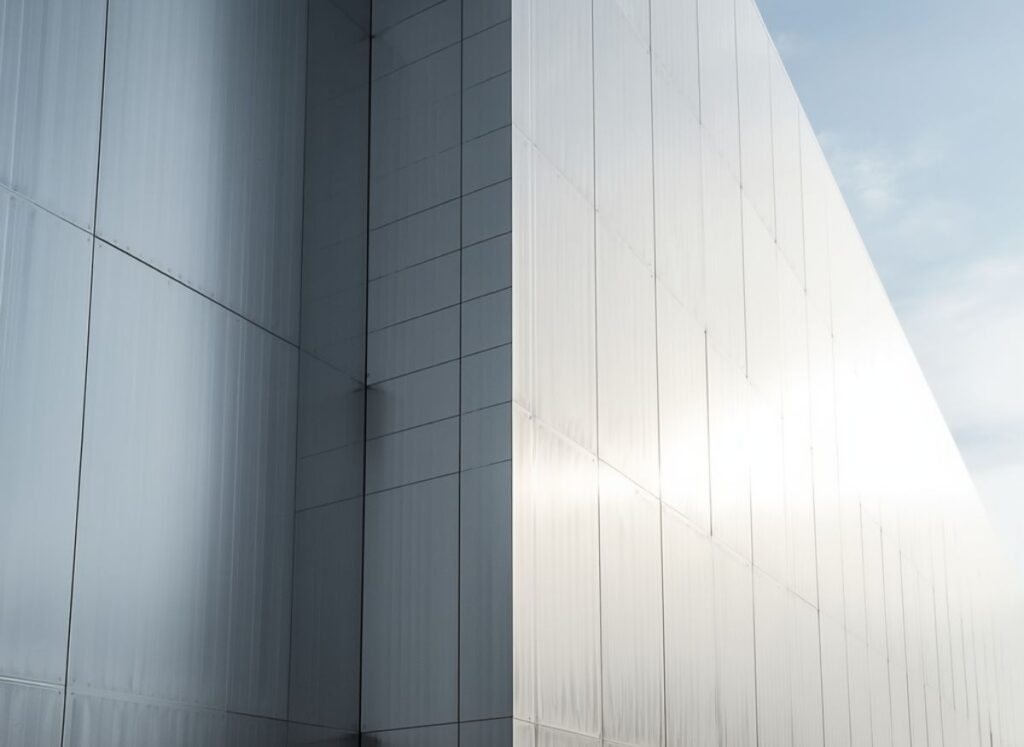
If you’re planning a building project and comparing panel materials, you’ve probably typed some version of “what aluminum grade is best for cladding” into a search bar more than once. It’s a fair question, because not every aluminum alloy behaves the same way once it’s exposed to sun, rain, salt air, or decades of temperature swings. Choosing the right one affects how the finished exterior looks, how long it lasts, and how much maintenance it will eventually demand.
This guide breaks down the aluminum grades most commonly used in cladding, explains what actually makes one alloy better suited to a project than another, and walks through the trade-offs so you can make an informed decision. Whether you’re outfitting a coastal home, a commercial storefront, or an industrial facility, understanding which aluminum grade is best for cladding in your specific situation will save you time, money, and headaches down the road.
Why Builders Keep Choosing Aluminum for Exterior Panels
Aluminum has become a go-to material for building exteriors for practical reasons. It’s naturally lightweight, which reduces structural load and makes installation faster than heavier materials like steel or stone. It also forms a thin, self-healing oxide layer that protects it from rust in a way ferrous metals can’t replicate.
Beyond durability, aluminum is easy to shape, finish, and customize. It can be anodized, painted, or coated in a wide range of colors and textures, giving architects flexibility without sacrificing performance. It’s also fully recyclable, which appeals to projects aiming for sustainable building certifications. None of these advantages, though, apply equally across every aluminum product and that’s where alloy selection comes in.
What Does “Aluminum Grade” Actually Mean?
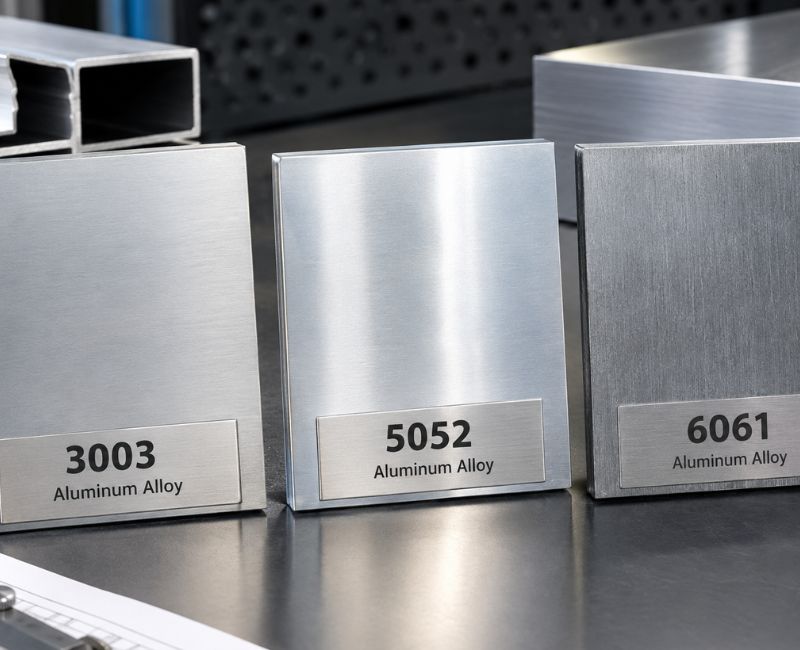
An aluminum grade, or alloy, refers to the specific combination of aluminum with other elements like manganese, magnesium, silicon, or zinc. These additions change the metal’s mechanical properties in meaningful ways. A small amount of magnesium, for instance, can dramatically improve corrosion resistance, while manganese tends to boost strength without adding much weight.
Each grade is identified by a four-digit number assigned by the Aluminum Association, and the first digit indicates the primary alloying element. This numbering system is why you’ll see grades referenced as “3003,” “5052,” or “6061” ; each number points to a distinct chemical recipe with its own strengths and limitations. Knowing this system helps explain why one grade might be marketed for cladding while another is reserved for aircraft parts or cookware.
The Aluminum Grades Most Commonly Used in Cladding
Not every alloy in the aluminum family is suited to exterior building panels. In practice, the conversation about which aluminum grade is best for cladding usually narrows down to three or four candidates that consistently perform well in architectural settings.
3003 Aluminum: The Budget-Friendly Workhorse
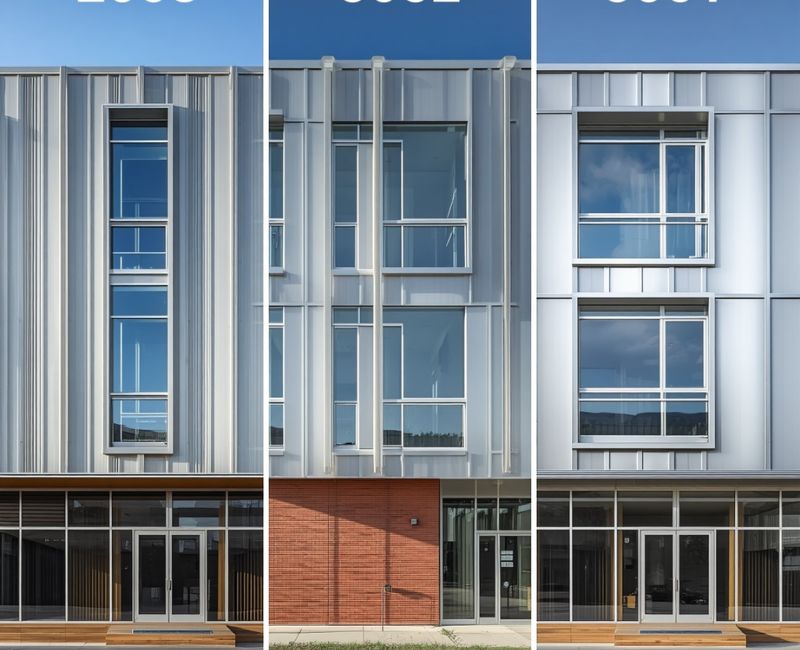
3003 aluminum is one of the most widely produced alloys, largely because it’s affordable, easy to form, and reasonably resistant to general corrosion. It’s often used in gutters, roofing, and lower cost cladding where extreme durability isn’t the top priority. It’s not the strongest option available, so it shows up more often in residential or lighter commercial projects than in high-rise or coastal construction.
5052 Aluminum: A Strong Choice for Harsh Environments
5052 aluminum contains a higher percentage of magnesium, which gives it noticeably better resistance to saltwater and marine environments than 3003. This makes it a popular pick for buildings near coastlines, industrial sites, or areas with heavy pollution exposure. It also holds up well under repeated flexing and vibration, which is useful for panels that experience thermal expansion and contraction over time.
6061 Aluminum: The Structural Favorite
6061 aluminum is prized for its strength to weight ratio and is often heat-treated to increase its load-bearing capacity even further. While it’s a bit more expensive and slightly less easy to form than 3003 or 5052, it’s frequently chosen for structural cladding elements, curtain wall systems, and projects where long-term rigidity matters as much as appearance.
Key Characteristics That Determine the Right Fit
When professionals debate which aluminum grade is best for cladding on a given project, they’re usually weighing a handful of core characteristics against each other rather than looking for a single “perfect” alloy.
Strength determines how well a panel resists denting, warping, or structural stress, which matters more on taller buildings or high-wind regions. Corrosion resistance dictates how the material holds up against moisture, salt, and pollutants, particularly in coastal or industrial climates. Formability affects how easily a sheet bends or shapes into architectural profiles without cracking. Weight influences shipping costs and ease of installation. Finally, appearance and finish compatibility determine how well an alloy accepts anodizing, painting, or coating treatments.
A Side-by-Side Look at Popular Cladding Grades
| Aluminum Grade | Key Characteristics | Strength/Corrosion Considerations | Typical Cladding Applications | Main Advantage |
| 3003 | Lightweight, easy to form, moderate cost | Decent general corrosion resistance; lower mechanical strength | Residential panels, soffits, budget commercial cladding | Affordability and ease of fabrication |
| 5052 | Higher magnesium content, good flexibility | Strong resistance to marine and industrial corrosion | Coastal buildings, transportation structures, industrial facades | Excellent corrosion resistance in harsh climates |
| 6061 | Heat-treatable, high strength-to-weight ratio | Very good structural strength; solid corrosion resistance | Curtain walls, structural panels, high-rise cladding | Superior strength for demanding structural needs |
| 5005 | Similar family to 5052, slightly lower alloying | Good general corrosion resistance, moderate strength | Interior-exterior transition panels, trim, decorative cladding | Balanced performance at a mid-range cost |
Comparing the Top Contenders in Real-World Terms
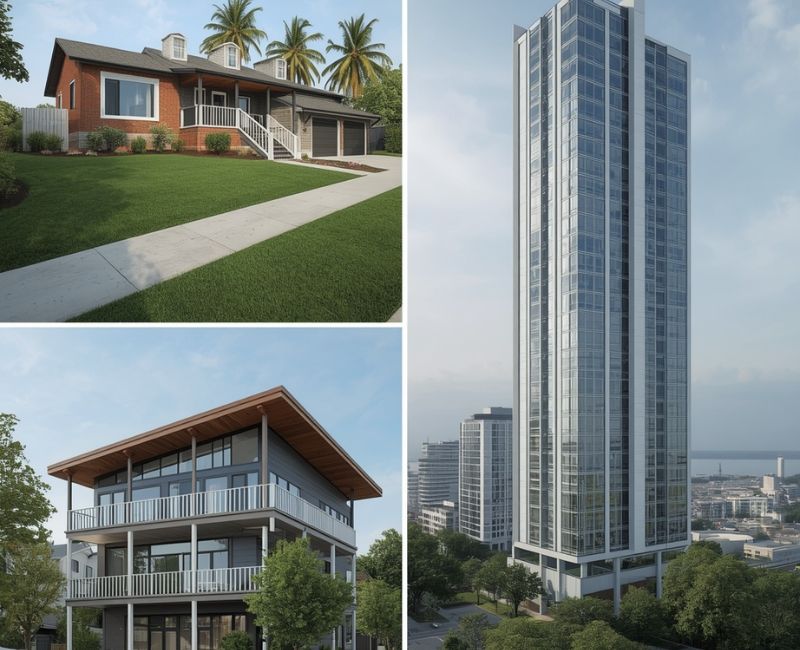
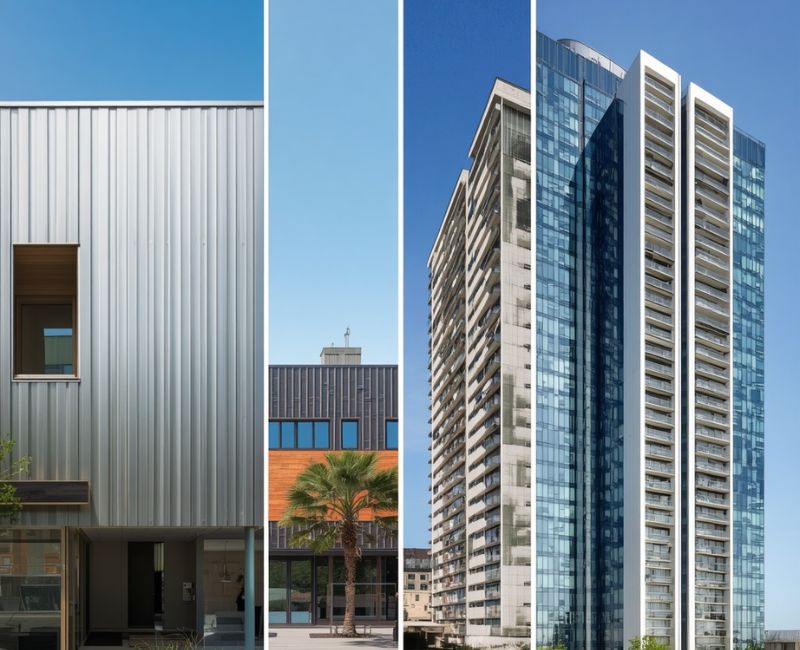
Deciding which aluminum grade is best for cladding often comes down to matching an alloy’s strengths to the specific demands of a building’s location and purpose, rather than assuming one option is universally superior.
For a homeowner renovating a house in a mild inland climate, 3003 aluminum often makes sense because the environmental stress is relatively low and cost efficiency matters. For a commercial building along a coastline, where salt spray and humidity accelerate corrosion, 5052 aluminum is generally the more sensible investment, even at a higher price point, because replacing corroded panels down the line costs far more than paying slightly more upfront. For architects working on taller structures or projects with strict structural codes, 6061 aluminum frequently wins out because its strength allows for thinner, lighter panels without compromising safety.
Formability also plays into these decisions. Projects with intricate curves or custom shapes tend to favor 3003 or 5052 because they bend more easily without cracking, while 6061 sometimes requires more specialized fabrication equipment. Ease of fabrication translates directly into labor costs, so it’s a practical consideration, not just a technical one.
Grade Comparison at a Glance
| Factor | 3003 Aluminum | 5052 Aluminum | 6061 Aluminum |
| Strength | Moderate | Moderate to good | High |
| Corrosion Resistance | Good | Very good | Good |
| Formability | Excellent | Very good | Moderate |
| Durability | Good for standard use | Excellent in harsh climates | Excellent under structural load |
| Ease of Fabrication | Easiest to work with | Fairly easy | Requires more specialized handling |
| Suitable Applications | Residential, light commercial | Coastal, industrial, marine-adjacent | High-rise, structural, curtain wall |
| Overall Suitability for Cladding | Good for cost-conscious projects | Strong for corrosive environments | Strong for structural demands |
Environmental Factors That Should Influence Your Decision
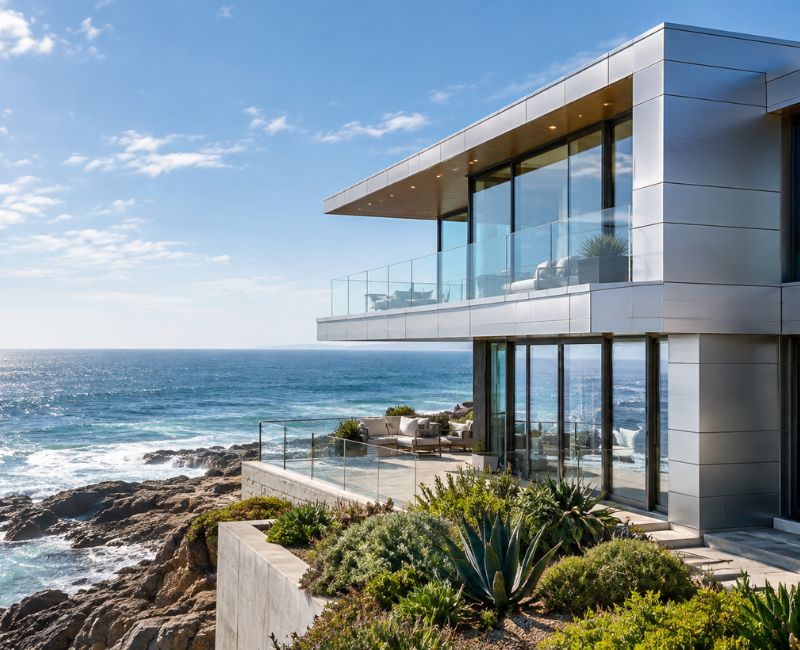
Climate plays a bigger role in alloy selection than many people expect. Buildings near oceans or areas with road salt exposure benefit from the added corrosion resistance of 5052 aluminum, since prolonged salt contact gradually degrades less resistant alloys. In regions with extreme temperature swings, an alloy’s ability to expand and contract without warping matters, which is one reason 5052 and 6061 are often favored in demanding climates.
Humidity and industrial pollution can accelerate corrosion regardless of which alloy is chosen, so protective coatings still matter even with a high-performing grade. This is why professionals rarely treat the question of which aluminum grade is best for cladding as separate from the finishing and maintenance plan.
Matching the Grade to the Type of Project
Residential projects typically prioritize cost-effectiveness and aesthetic flexibility, making 3003 aluminum a common default for homeowners without extreme environmental exposure. Commercial buildings, especially in urban or coastal settings, often lean toward 5052 for its balance of durability and corrosion resistance. Architectural landmark projects and high-rise developments frequently specify 6061 because structural performance and long-term reliability are non-negotiable at that scale.
Demanding environments, such as marine facilities or regions with heavy road salt use, generally call for 5052 or specially coated variants of other alloys. Cutting corners on alloy selection in these settings tends to backfire within a few years as corrosion sets in faster than expected.
Practical Factors Worth Weighing Before You Decide
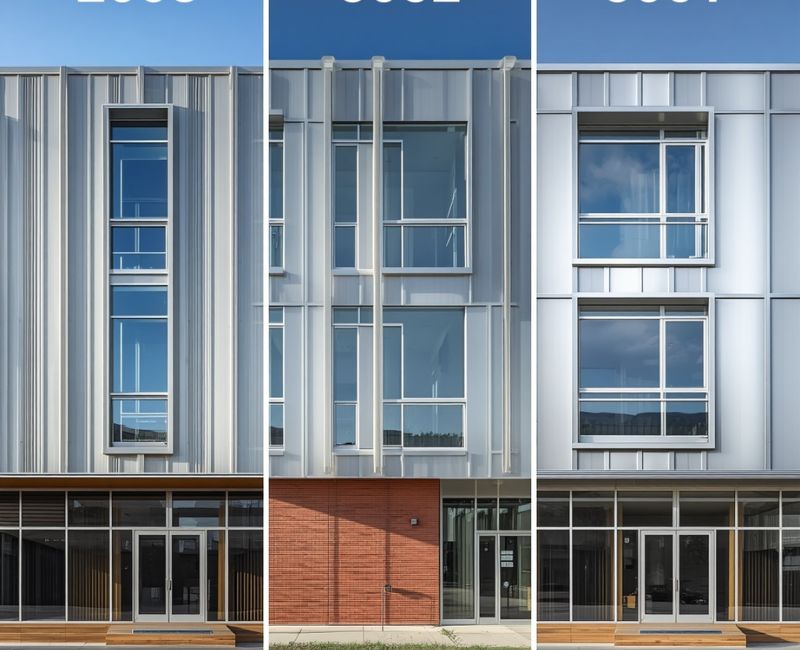
Before settling on an alloy, think beyond the technical spec sheet. Budget matters, since higher-performing grades like 6061 typically cost more upfront. Local climate should weigh heavily, particularly for coastal or industrial sites. Panel design complexity matters too, since intricate shapes favor more formable alloys. Long-term maintenance expectations are worth considering, because a slightly higher investment in a corrosion-resistant grade can reduce repainting or replacement costs later. Finally, local building codes may dictate a minimum strength threshold that narrows the options.
Weighing all of these factors together, rather than focusing on one characteristic alone, is the surest way to land on which aluminum grade is best for cladding on your particular project.
Frequently Asked Questions
Which Aluminum Grade Is Best for Home Door Cladding?
3003 or 5005 aluminum are typically good choices because they’re easy to form into decorative profiles, resist everyday weather well, and keep costs reasonable. In coastal areas, 5052 is worth the extra investment for its stronger corrosion resistance.
Aluminum vs. Fiberglass Cladding: Which Should I Choose?
Aluminum generally offers better long-term durability, recyclability, and design flexibility, while fiberglass can sometimes provide better insulation and a lower upfront cost. The right choice depends on climate, budget, and how much maintenance you’re willing to take on.
How Much Does Aluminum Cladding Installation Cost?
Costs vary based on alloy grade, panel thickness, finish, and local labor rates, but aluminum cladding generally falls in a mid-range price bracket compared to other exterior materials. Higher-performance grades like 6061, or heavily coated panels, push costs upward compared to standard 3003 options.
Does the Aluminum Grade Affect How Long Cladding Lasts?
Yes, significantly. This is a big part of why the question of which aluminum grade is best for cladding matters so much upfront: alloys with better corrosion resistance, like 5052, tend to hold up longer in harsh climates, while less resistant grades may require earlier maintenance or replacement near coastlines or industrial areas.
Can Different Aluminum Grades Be Mixed in the Same Building?
Yes. It’s often practical to use a stronger structural grade like 6061 for load-bearing elements while using a more formable grade like 3003 for decorative trim, as long as the design accounts for how each alloy will weather over time.
Do All Aluminum Cladding Grades Require the Same Maintenance?
No. Less corrosion-resistant grades typically need more frequent inspections, cleaning, and occasional recoating, especially in coastal areas, while alloys like 5052 generally require less intensive upkeep.
Final Thoughts
Ultimately, there’s no single answer to which aluminum grade is best for cladding that applies to every building in every location. The right choice depends on environmental exposure, structural demands, budget, and the visual outcome you’re aiming for. 3003 aluminum remains a dependable, cost effective option for standard residential and light commercial use, 5052 aluminum stands out in coastal and industrial settings where corrosion resistance is critical, and 6061 aluminum earns its place in structural and high-rise applications where strength can’t be compromised.
If you’re still weighing your options, start by evaluating your local climate, your project’s structural requirements, and your long-term maintenance expectations. Consulting a fabricator who understands regional conditions can also help clarify which aluminum grade is best for cladding on your specific build. With the right alloy in place, an aluminum exterior can deliver decades of reliable performance while keeping maintenance manageable and the building’s appearance intact.

Welcome to Cozy Escape Hub! I am Muhammad Hassaan, an AI Powered SEO and content writer with a 2 years of experience.
I help websites rank higher, grow traffic , and look amazing. My goal is to make SEO and web design simple and effective for everyone. Let’s achieve more together!