
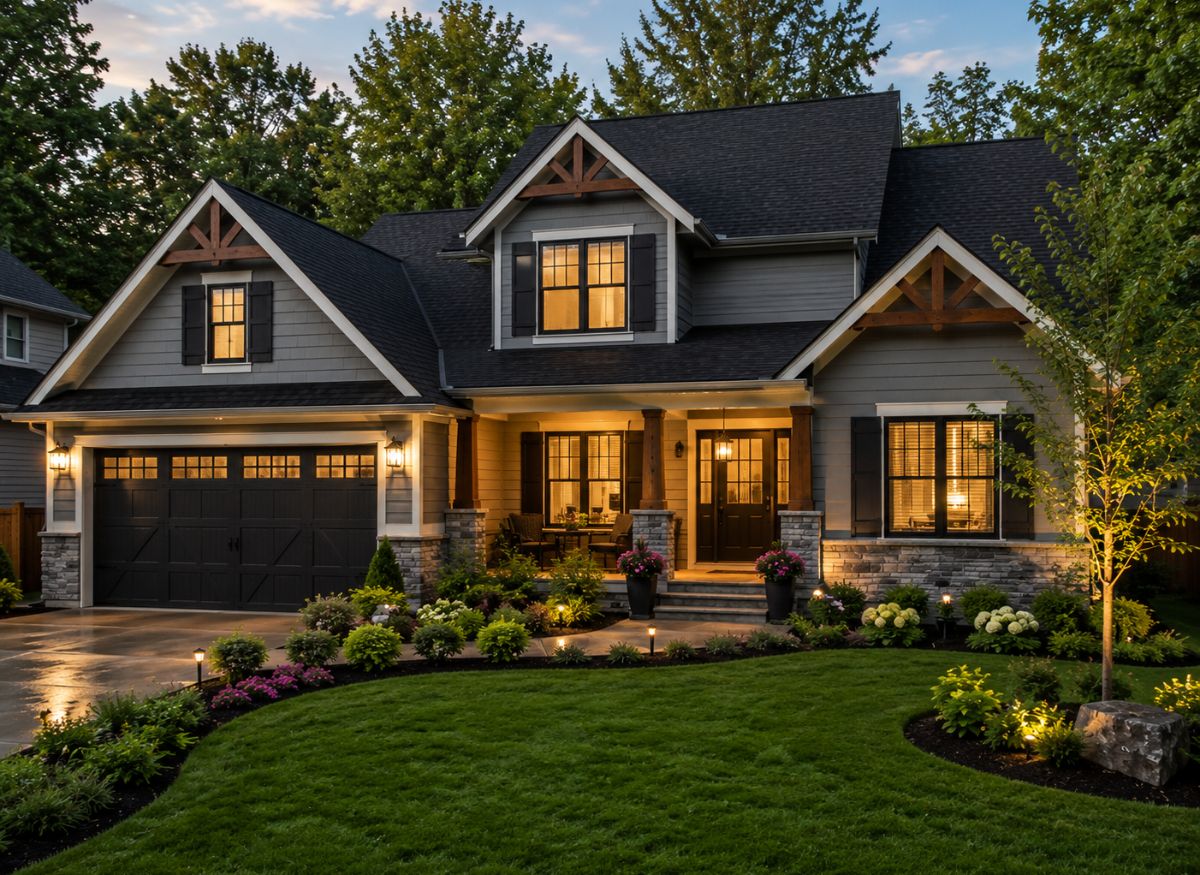
Planning an Exterior Remodeling project can feel exciting, but it can also become overwhelming if you are unsure where to begin. Many homeowners focus on the parts they can easily see, such as fresh paint or stylish landscaping. However, fixing cosmetic issues before solving structural problems often leads to wasted time and money.
The best remodeling projects follow a logical order. By repairing the most important parts of your home’s exterior first, you protect your investment and avoid repeating work later. Whether you are updating an older home, preparing to sell, or simply improving its appearance, knowing what to fix first makes every dollar count. If you’re planning a major roof renovation or home expansion, understanding the dormer construction process can help you make better design decisions. For a complete walkthrough, check out our guide on How to Build a Gable Dormer Step by Step, where you’ll learn everything from planning and framing to roofing and finishing details.
Why the Order of Exterior Remodeling Matters
Many homeowners believe every project can be completed independently. In reality, each part of your home’s exterior works together to protect the structure.
For example, installing beautiful new siding before fixing a leaking roof may result in water damage that ruins the new materials. Likewise, replacing windows before repairing damaged framing can create expensive complications later.
Following the correct order helps you:
- Prevent future repairs
- Save money by avoiding duplicate work
- Protect your home’s structure
- Improve energy efficiency
- Increase property value
- Complete projects more efficiently
A well-planned remodeling project also makes it easier to stay within your budget.
Start with a Complete Exterior Inspection
Before spending money on improvements, on Exterior Remodeling inspect every major part of your home’s exterior.
Look carefully for:
- Roof damage
- Water stains
- Foundation cracks
- Rotting wood
- Mold or mildew
- Damaged siding
- Broken gutters
- Window leaks
- Loose flashing
- Drainage problems
Walk around your home during both dry and rainy weather if possible. Water often reveals problems that remain hidden on sunny days.
If your home is older or has experienced storm damage, hiring a professional inspection can uncover issues that are difficult to spot yourself.
Fix Structural Problems First
Repair the Foundation
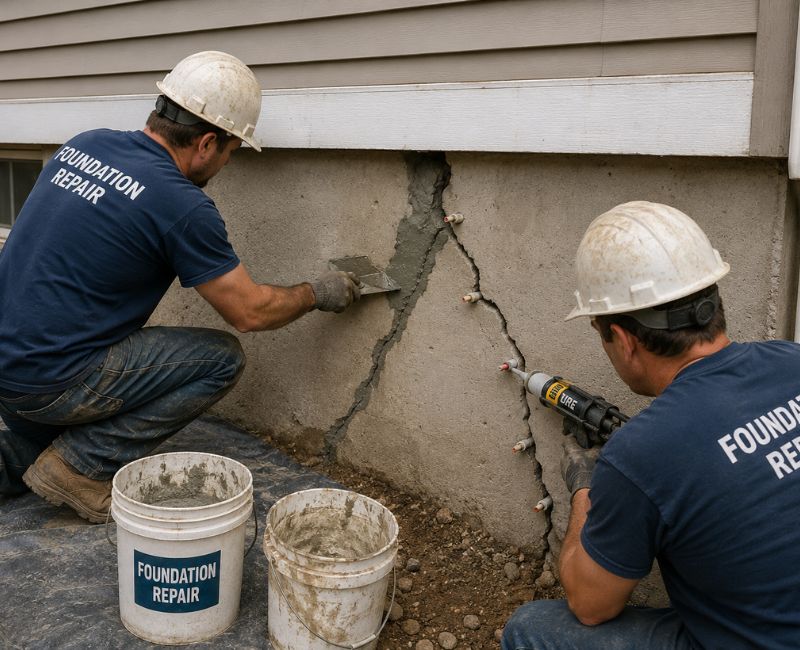
Every home depends on a strong foundation.
If cracks continue to grow or sections begin settling unevenly, other remodeling projects become risky because movement can damage newly installed materials.
Warning signs include:
- Large foundation cracks
- Uneven floors
- Doors sticking
- Windows that no longer close properly
- Gaps around trim
Minor cosmetic cracks may not require major repairs, but significant structural movement of Exterior Remodeling should always be addressed before anything else.
Repair Framing and Rotten Wood
Moisture often damages wood hidden beneath siding, trim, or decks.
Rot spreads over time and weakens the structure supporting your home.
Replace damaged framing before installing Exterior Remodeling:
- New siding
- New windows
- Exterior trim
- Decorative finishes
Ignoring rotten wood almost always leads to larger repair bills later.
Repair or Replace the Roof
The roof protects everything underneath it.
If water enters through damaged shingles or flashing, it can destroy insulation, framing, drywall, and even new exterior finishes.
Common signs your roof needs attention include:
Missing or Damaged Shingles
Strong winds, storms, and age can loosen shingles.
Even one missing section may allow Exterior Remodeling water inside.
Roof Leaks
Dark ceiling stains, attic moisture, or dripping water indicate immediate repairs are necessary.
Waiting too long increases repair costs significantly.
Aging Roofing Materials
Most asphalt shingle roofs last around 20 to 30 years depending on quality and climate.
If your roof is reaching the end of its lifespan, replacing it before other exterior work is usually the smartest decision.
Upgrade Gutters and Drainage
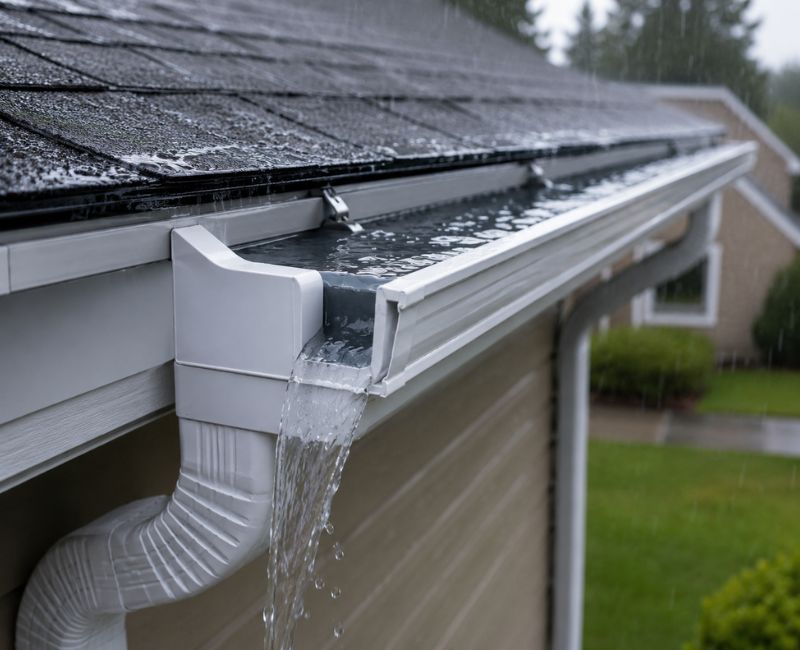
Many homeowners underestimate gutters.
Their primary job is directing water safely away from the home.
Poor drainage causes:
- Foundation damage
- Basement leaks
- Soil erosion
- Mold growth
- Rotten siding
- Landscape damage
If gutters overflow or sag, replace them before moving to cosmetic improvements.
Check Downspouts
Downspouts should move water several feet away from the home’s foundation.
Extensions are inexpensive but can prevent costly repairs in the future for a best Exterior Remodeling.
Address Moisture Problems
Water can be one of the most damaging elements a home faces, often leading to costly repairs if problems are not addressed early.
Before installing expensive finishes, identify where moisture enters.
Check areas around:
- Windows
- Doors
- Roof edges
- Chimneys
- Deck connections
- Exterior vents
Replace worn caulking and damaged flashing whenever necessary for Exterior Remodeling.
Stopping leaks early protects every future remodeling investment.
Replace Old Windows and Exterior Doors
Once structural repairs and moisture issues of Exterior Remodeling are resolved, focus on windows and doors.
Older units often allow air leaks that increase heating and cooling costs.
Modern replacements improve:
- Energy efficiency
- Comfort
- Home security
- Noise reduction
- Property value
They also provide a cleaner appearance that complements later improvements like siding and paint.
Signs Windows Need Replacement
Watch for these warning signs for Exterior Remodeling:
- Drafts
- Condensation between glass panes
- Rotting frames
- Difficulty opening or closing
- High energy bills
Replacing windows before siding often creates cleaner installation results because contractors can properly seal the surrounding areas.
Upgrade Entry Doors
Your front door creates one of the strongest first impressions.
Choose a durable, insulated door that matches your home’s architectural style while improving security and energy performance.
Install or Repair Siding
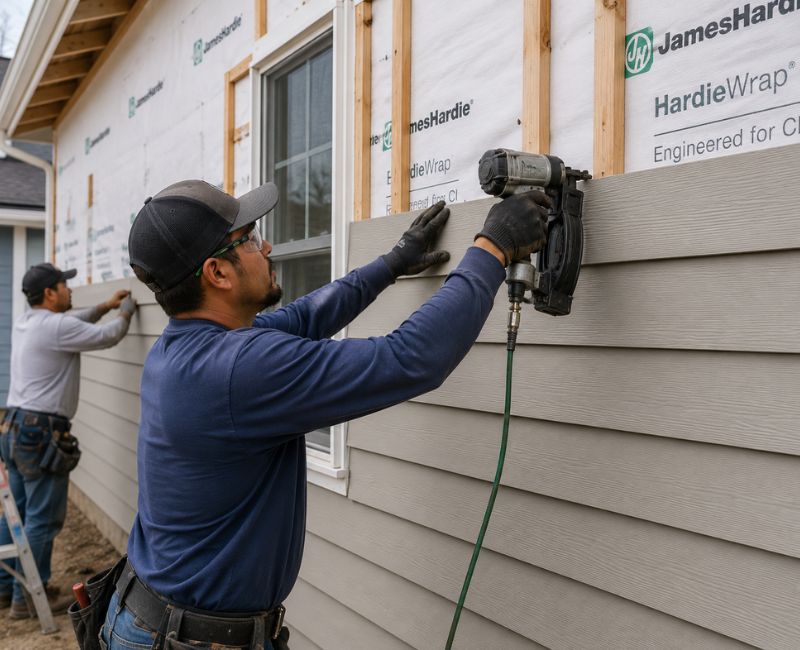
Once the home’s structure is protected from water, siding becomes the next priority.
Siding improves both appearance and weather protection.
Popular materials include:
Vinyl Siding
Affordable, low maintenance, and available in many colors of Exterior Remodeling.
Vinyl remains one of the most popular choices for homeowners seeking value.
Fiber Cement Siding
Highly durable and resistant to fire, insects, and moisture.
Although installation costs are higher, fiber cement often lasts for decades with proper care.
Engineered Wood Siding
Offers the natural beauty of wood while providing better resistance to moisture and pests than traditional lumber.
Repair Exterior Trim
After your siding is complete, inspect all exterior trim.
Trim helps seal joints around windows, doors, roof edges, and corners while adding visual detail to your home. Damaged trim can let moisture enter behind siding, leading to hidden problems.
Replace Damaged Trim
Look for:
- Cracked boards
- Peeling paint
- Soft or rotting wood
- Loose pieces
- Gaps around windows and doors
Replacing damaged trim before painting ensures a cleaner, longer-lasting finish.
Seal Every Gap
Use high-quality exterior caulk around:
- Window frames
- Door frames
- Trim joints
- Utility pipe openings
Proper sealing improves energy efficiency and keeps insects and water outside where they belong.
Paint the Exterior
Painting is one of the final major steps in an Exterior Remodeling project.
Many homeowners paint first because it creates an instant visual improvement. However, painting before repairing siding, trim, or windows usually means repainting those areas later.
Choose the Right Paint
Select paint designed specifically for your home’s exterior material.
High quality exterior paint offers:
- Better weather resistance
- Longer color retention
- Protection against moisture
- Improved durability
Although premium paint costs more upfront, it often lasts several years longer.
Pick the Right Weather
Paint performs best under mild weather conditions for Exterior Remodeling.
Avoid painting during:
- Heavy rain
- Extremely hot days
- Freezing temperatures
- High humidity
Following the manufacturer’s recommendations helps achieve a smooth, durable finish.
Upgrade the Porch, Deck, or Patio
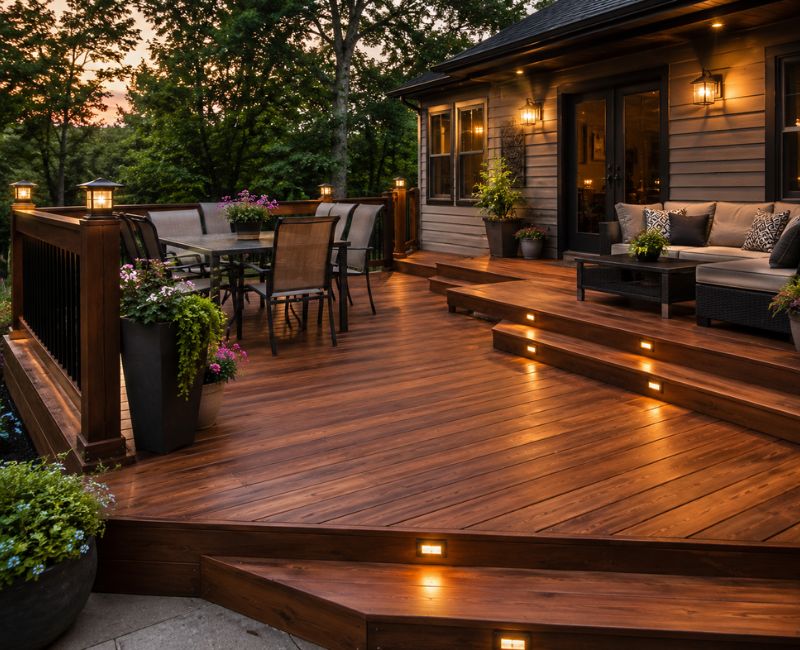
Once the main structure is protected, turn your attention to outdoor living spaces.
A well-maintained porch or deck improves both functionality and curb appeal.
Inspect for:
- Loose railings
- Rotten boards
- Rusted fasteners
- Uneven steps
- Water damage
Replace damaged materials before staining or painting the surface.
If your deck is structurally sound, a thorough cleaning and fresh stain may be all it needs.
Improve the Driveway and Walkways
Driveways and walkways are often overlooked during remodeling, but they have a major impact on your home’s appearance.
Repair:
- Large cracks
- Uneven concrete
- Loose pavers
- Drainage issues
- Broken edges
Safe, smooth walkways also reduce the risk of trips and falls.
If your driveway is badly damaged, resurfacing or replacing it may provide a better long-term solution.
Add Exterior Lighting
Good lighting improves both safety and appearance.
Install lighting around:
- Front entrance
- Garage
- Walkways
- Patio
- Backyard
- Driveway
Modern LED fixtures use less electricity while providing bright, reliable illumination.
Motion-sensor lights also improve security by discouraging unwanted visitors.
Refresh Landscaping Last
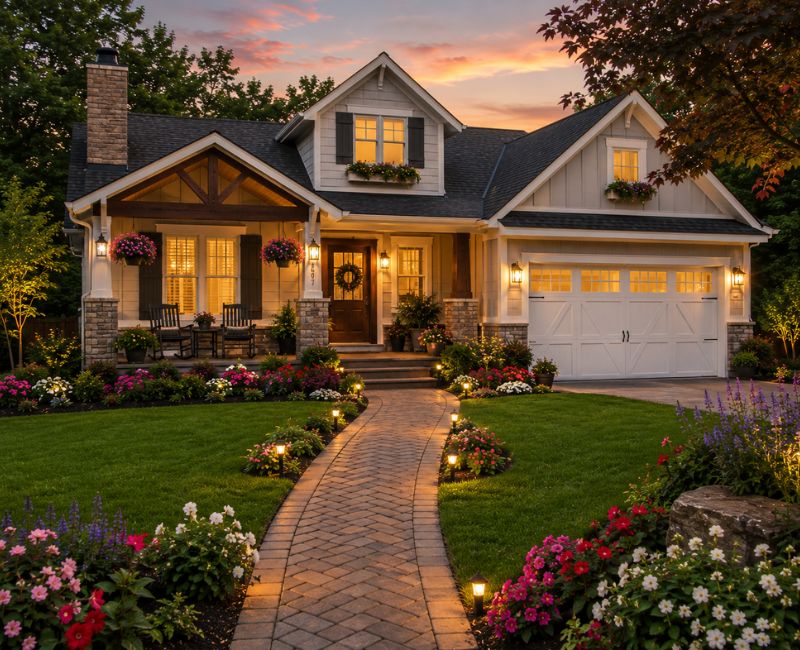
Landscaping should be one of the final steps because heavy construction can damage plants, grass, and garden beds.
Once remodeling is complete, you can confidently add finishing touches.
Simple landscaping improvements include:
- Planting shrubs
- Adding fresh mulch
- Trimming trees
- Installing flower beds
- Laying new sod
- Cleaning garden borders
Healthy landscaping makes every other exterior improvement stand out.
Create a Realistic Remodeling Budget
Exterior remodeling can become expensive if projects are started without a clear budget.
Divide your budget into categories such as:
- Structural repairs
- Roofing
- Gutters
- Windows and doors
- Siding
- Paint
- Deck repairs
- Landscaping
Always reserve about 10% to 20% of your budget for unexpected repairs. Hidden water damage, termite problems, or aging materials are common surprises once work begins.
Planning ahead helps prevent unfinished projects and financial stress.
Should You Remodel Everything at Once?
Not necessarily.
Many homeowners complete Exterior Remodeling in phases based on their budget.
A practical order is:
- Foundation and structural repairs
- Roof replacement
- Gutters and drainage
- Windows and doors
- Siding
- Exterior trim
- Paint
- Deck and porch improvements
- Driveway and walkways
- Landscaping
Even if the work takes several months or years, following this sequence prevents unnecessary repairs later.
Common Exterior Remodeling Mistakes to Avoid
Avoiding these common mistakes can save thousands of dollars.
Ignoring Water Damage
Small leaks rarely stay small. Repair moisture problems immediately.
Choosing Appearance Over Protection
Fresh paint cannot fix structural issues. Always repair the home before improving its appearance.
Buying Cheap Materials
Low-cost materials may reduce the initial bill, but they often require replacement much sooner.
Skipping Professional Help
Some projects, such as roofing or foundation repairs, require experienced professionals to ensure safety and quality.
Forgetting Local Building Codes
Some remodeling projects require permits or inspections. Check local regulations before starting major work.
Tips for a Successful Exterior Remodeling Project
Planning carefully makes every project smoother.
Keep these tips in mind:
- Inspect your home before making decisions.
- Prioritize safety and structural repairs.
- Fix water problems immediately.
- Invest in durable, high-quality materials.
- Hire qualified contractors when needed.
- Stay within your budget.
- Complete projects in the proper order.
- Maintain your exterior regularly after remodeling.
Regular maintenance extends the life of your investment and helps prevent expensive repairs in the future. Looking for more unique home inspiration? Don’t miss our guide on Grain Bin House Ideas, where you’ll find practical ideas for creating a modern and sustainable home from a converted grain bin.
FAQs
1. What should you fix first when remodeling a home exterior?
Start with structural and protective issues such as the roof, siding, gutters, windows, and water damage.
2. Should I replace the roof before remodeling the exterior?
Yes. A damaged roof should usually be repaired or replaced before cosmetic exterior upgrades.
3. What exterior remodeling project adds the most value?
Projects like siding replacement, entry-door upgrades, roofing, and improved curb appeal can provide strong value.
4. How do I prioritize exterior remodeling projects?
Fix safety and structural problems first, then address energy efficiency, and finish with cosmetic improvements.
5. Is exterior remodeling expensive?
Costs vary by project, materials, home size, and labor. Planning repairs in order of importance can help control the budget.
6. Can I remodel my home exterior in stages?
Yes. Completing essential repairs first and cosmetic upgrades later is a practical way to spread out the cost.
Conclusion
A successful Exterior Remodeling project starts with careful planning rather than cosmetic upgrades. By repairing structural issues, replacing an aging roof, improving drainage, upgrading windows and doors, installing new siding, and finishing with paint and landscaping, you protect your home while getting the best value from every improvement.
Taking the right approach prevents costly mistakes, keeps your home safe from weather damage, and creates lasting curb appeal. Whether you’re making small upgrades or completing a full renovation, following the proper order ensures your Exterior Remodeling project delivers beautiful, durable results for years to come.

Welcome to Cozy Escape Hub! I am Muhammad Hassaan, an AI Powered SEO and content writer with a 2 years of experience.
I help websites rank higher, grow traffic , and look amazing. My goal is to make SEO and web design simple and effective for everyone. Let’s achieve more together!