
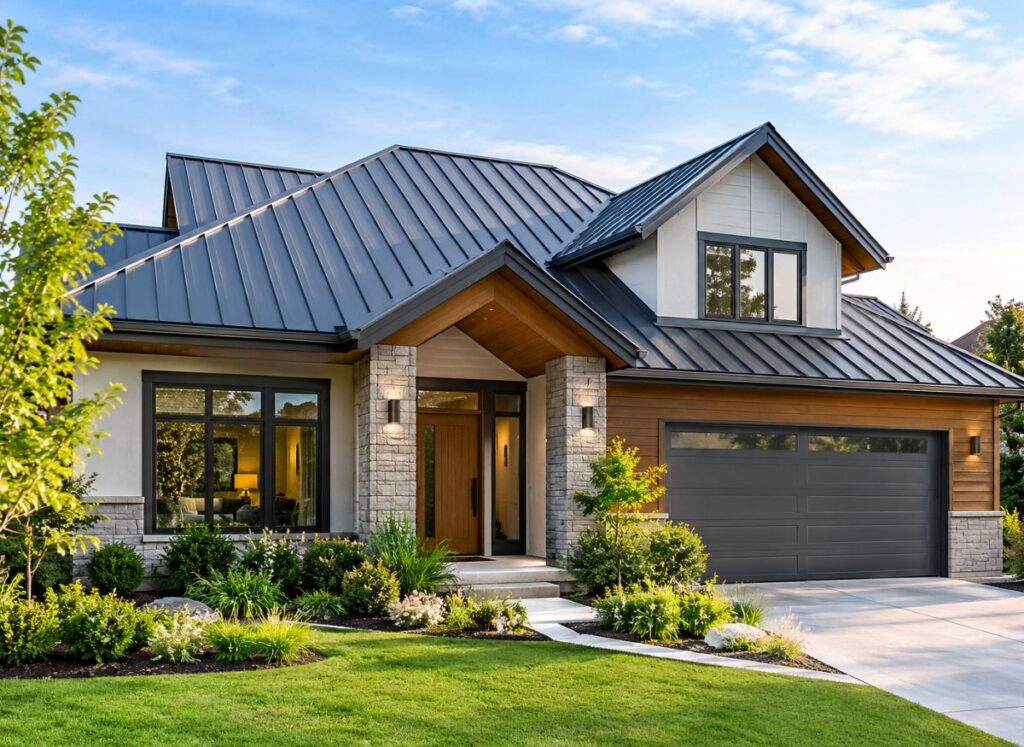
Replacing a roof is a consequential decision, and the material chosen often determines how a house performs for decades. Among the many options on the market, Prepainted Steel Roofing has become popular with people who want a durable, low-maintenance covering that holds its appearance well beyond the first few years. Instead of relying on paint applied after installation, this roofing type arrives with its protective finish already baked onto the metal at the factory.
Homeowners typically start looking into this option when they’re tired of repainting, patching, or replacing a roof that hasn’t held up to sun, rain, or temperature swings. Understanding how the coating protects the steel underneath, and what upkeep it actually requires, can help you decide whether it’s the right fit for your climate and budget.
What Is Prepainted Steel Roofing?
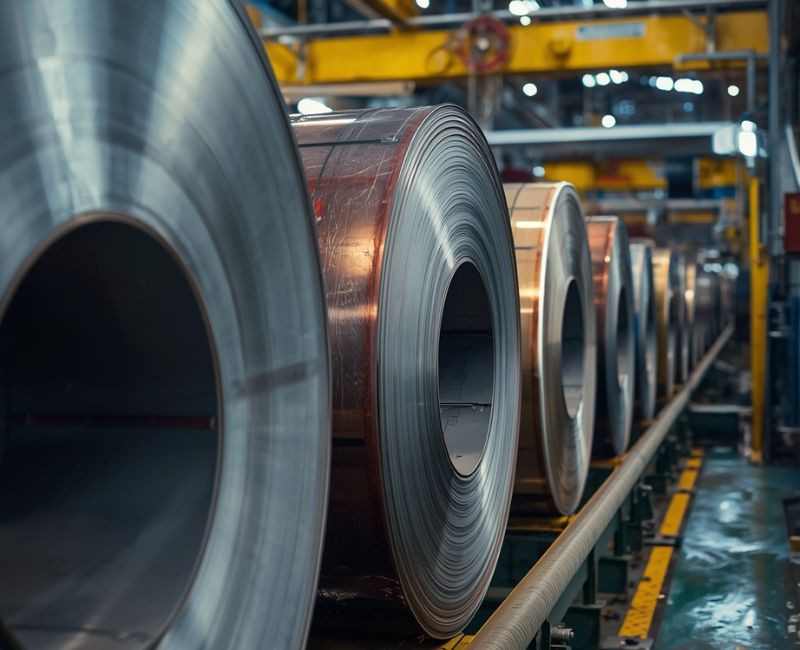
Prepainted Steel Roofing refers to steel panels coated with paint or another protective finish during manufacturing, before they’re ever cut, formed, or installed. The process, often called coil coating, runs flat steel coils through cleaning, priming, and painting stages under controlled factory conditions, curing the finish at high temperatures so it bonds more evenly than paint applied on site.
This approach separates Prepainted Steel Roofing from roofing painted after installation. The factory-applied finish creates a more uniform film thickness across every panel, reducing the thin spots common with field-applied paint, a consistency that directly affects how the roof resists weather over time.
How the Coating and Steel Work Together
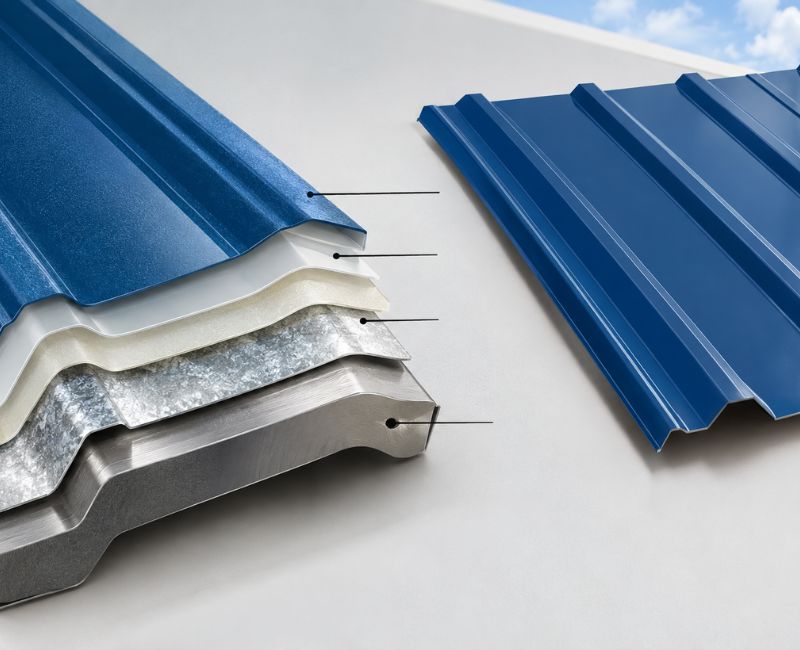
The performance of any coated metal roof comes down to the relationship between the base metal and the finish on top of it. Steel provides strength and impact resistance, but on its own it’s vulnerable to rust. The coating acts as a barrier, sealing the surface from the elements while providing the color homeowners see from the ground.
Most coating systems include a pretreatment that helps paint adhere, a primer that improves corrosion resistance, and a topcoat formulated for UV stability. Common topcoat chemistries include polyester, silicone-modified polyester, and higher-performance resins such as PVDF, each offering a different balance of cost, durability, and fade resistance.
Why Homeowners Consider It for Long-Term Performance
People researching roofing options are usually weighing upfront cost against how the roof will look and perform years down the road. Prepainted Steel Roofing appeals to homeowners who want to avoid the cycle of repainting, patching rust, or replacing shingles that curl and crack under sun exposure, since the factory cured finish generally holds up more consistently than one applied after the fact.
There’s also a financial angle: a roof that resists corrosion and doesn’t need repainting can lower total cost of ownership, even when the initial price is higher. For homeowners planning to stay put long-term, that trade-off is often worth it.
Durability and Weather Resistance
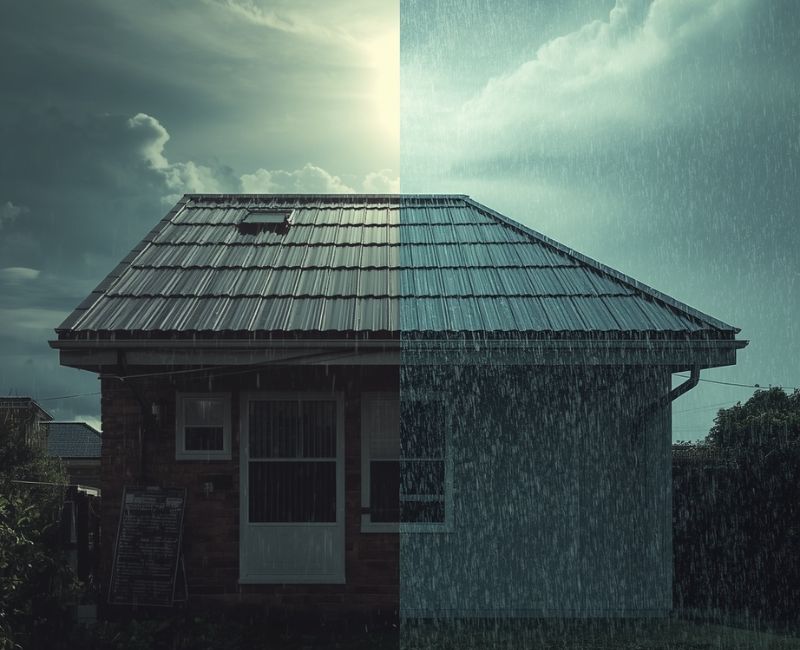
Steel itself is strong and impact resistant, but its long-term durability as a roofing product depends on how well it’s protected from moisture, salt air, and temperature cycling. A quality coating helps panels resist hail marks, wind driven rain, and the freeze thaw cycles that cause other materials to crack.
Weather resistance isn’t only about surviving one storm it’s about holding up through repeated exposure over many seasons. Coated steel panels flex slightly with temperature changes without cracking, which is why this category has become common in regions with hot summers and cold winters alike.
Protection Against Corrosion and Fading
Corrosion is the primary long term threat to any steel product. A galvanized or galvalume substrate combined with a factory applied paint system creates layered protection: the metallic coating guards against rust, while the paint layer shields both the metal and coating from UV rays and moisture. When these layers work as intended, corrosion resistance improves significantly over bare or poorly finished steel.
Fading is a related but separate concern. UV exposure breaks down pigments over time, which is why coating chemistry matters so much for color retention. Higher-performance resins hold their color longer than basic paint systems, though even the best finishes show some gradual change in tone after years of sun exposure.
Energy Efficiency Considerations
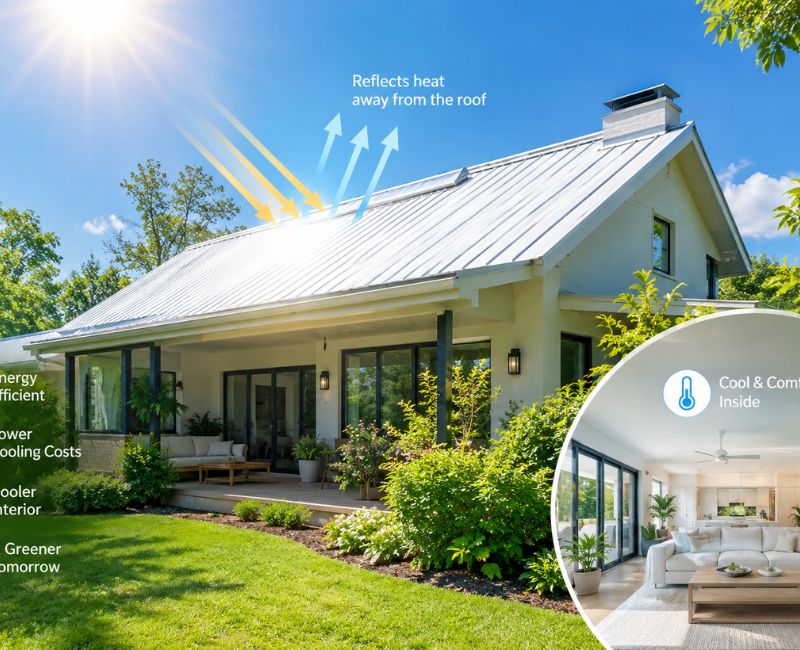
Roof color and finish also play a role in energy performance. Lighter, reflective finishes reduce how much solar heat the roof absorbs, easing the load on air conditioning. Many manufacturers now offer reflective pigment technology that lets even darker colors reflect more infrared heat than a standard finish useful for those who want a darker roof without sacrificing efficiency. The coating won’t replace proper insulation, but it’s one part of a broader energy strategy.
Maintenance Requirements
One attractive aspect of this roofing category is how little routine maintenance it typically requires compared to materials that need periodic repainting or sealing. That said, “low maintenance” doesn’t mean “no maintenance,” and homeowners should still plan for occasional inspections and simple upkeep.
| Maintenance Task | Typical Frequency | Purpose |
| Visual inspection | Once or twice a year | Check for scratches, dents, or debris buildup |
| Gutter and debris clearing | Seasonally | Prevent water pooling near roof edges |
| Rinsing off dirt or salt residue | As needed, more often near coastlines | Reduce buildup that can affect coating longevity |
| Checking fasteners and seams | Every few years | Catch loosening before leaks develop |
| Touch-up of scratches, if needed | As issues arise | Prevent isolated rust from starting at bare metal |
This kind of light, periodic attention is generally enough to keep a well-installed roof performing well for years. Skipping inspections risks missing small issues, like a loose fastener or an exposed scratch, that could otherwise be addressed quickly and inexpensively.
Expected Lifespan
Manufacturers commonly back coated steel roofing with warranties ranging from 20 to 40 years, depending on the coating system and product line. Actual service life can extend beyond the warranty period with correct installation and basic care, though climate, coastal exposure, and installation quality all play a role.
The steel substrate itself can often outlast the coating’s peak performance a panel may remain structurally sound for decades while the finish gradually fades or chalks, which is a normal part of aging for painted exterior products rather than a sign of failure.
Installation Considerations
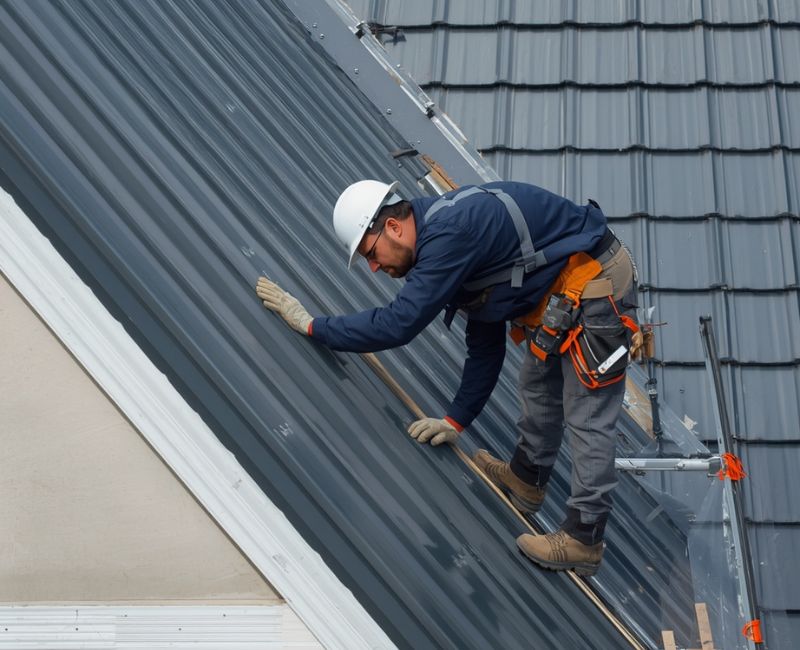
Getting these benefits depends heavily on proper installation. Panels need to be fastened, flashed, and sealed correctly to prevent water intrusion at seams, valleys, and roof penetrations even a well manufactured panel won’t perform as expected with the wrong fasteners or poor flashing around chimneys and vents.
Homeowners should work with installers experienced specifically with metal roofing systems, since techniques differ from asphalt shingle installation in meaningful ways, including fastening methods that let panels expand and contract with temperature changes without compromising the seal.
Local climate should also influence the coating type and color selected, while the roof should complement the home’s overall style. Coastal homes face salt spray that accelerates corrosion if the coating isn’t rated for that environment, while areas with heavy hail may benefit from thicker gauge steel. Snow load and wind exposure are worth discussing with a contractor too, since panel profile and fastening patterns can be adjusted to suit regional codes.
Cost and Long-Term Value
Prepainted Steel Roofing generally costs more upfront than basic asphalt shingles, though the gap compared to other metal roofing options is often smaller. The long-term value rests on reduced maintenance costs, a longer service life, and avoiding the repainting expenses that come with some other materials.
Homeowners evaluating cost should look beyond the initial quote and consider total cost of ownership over 20 to 30 years factoring in expected maintenance and the likelihood of needing a full replacement sooner with shorter-lived products often changes how the upfront comparison looks. Balancing roofing expenses with other home improvements can also help homeowners create a comfortable space while staying within a realistic budget, as shown by these affordable home decor ideas.
| Factor | Typical Performance |
| Durability | Strong resistance to impact, wind, and cracking when properly installed |
| Maintenance | Minimal; periodic inspection and cleaning recommended |
| Weather resistance | Performs well across a range of climates with appropriate coating selection |
| Appearance | Consistent, factory-applied finish with a range of color and texture options |
| Energy efficiency | Can be improved further with reflective coating technology |
| Long-term performance | Often exceeds 20–30 years with proper care and installation |
Advantages and Potential Drawbacks
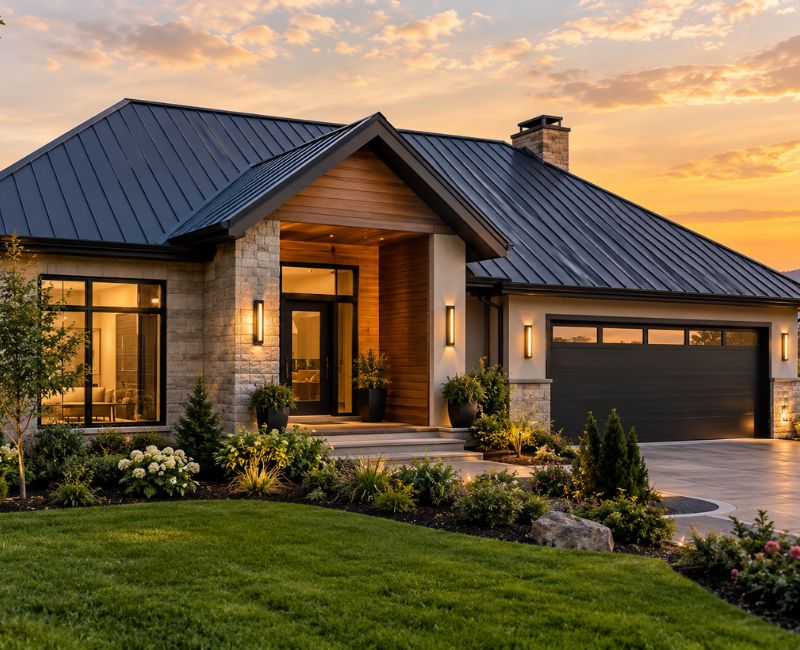
Like any roofing material, this option comes with trade-offs worth weighing honestly.
Advantages generally include a long service life, resistance to cracking and rot, reduced need for repainting, a wide range of factory color options, and better fire resistance than some other materials.
Potential drawbacks can include a higher upfront cost than basic asphalt shingles, the need for experienced installers, possible noise during heavy rain without proper underlayment, and a chance of denting from severe hail depending on panel gauge.
How It Compares with Other Painted Metal Roofing Options
Not all painted metal roofing is manufactured the same way. The table below outlines general differences between factory-coated panels and metal roofing painted after installation or refinishing.
| Comparison Factor | Prepainted Steel Roofing | Painted Metal Roofing (Field-Applied) |
| Coating application | Factory-applied and fully cured in a carefully controlled production environment. | Applied on-site, often by brush, roller, or sprayer |
| Durability | Generally more consistent film thickness and adhesion | Can vary based on application conditions and applicator skill |
| Maintenance | Lower ongoing maintenance in most cases | May require more frequent touch-ups or repainting |
| Appearance | Uniform factory finish across all panels | Finish quality depends on application conditions |
| Weather resistance | Engineered coating systems tested for UV and moisture exposure | Performance depends on the specific paint product used |
| Color retention | Typically stronger, especially with higher-grade resins | Often fades or chalks sooner without professional-grade products |
| Long-term considerations | Designed for extended service life with minimal recoating | May need repainting within a shorter timeframe |
| Typical use cases | New construction and full roof replacements | Refinishing existing metal roofs or budget-conscious projects |
This isn’t to suggest field-applied paint is never reasonable it can make sense for refinishing an existing roof. But for new installations where long-term performance is the priority, factory-applied coatings tend to offer more predictable results.
Key Things to Evaluate Before Selecting This Roofing Solution
Before committing to Prepainted Steel Roofing, think through a few practical questions specific to your home: your region’s climate extremes, proximity to the coast, how long you plan to stay, and your upfront budget flexibility against long-term maintenance savings.
It’s also worth asking suppliers or contractors about the specific coating system, gauge thickness, and warranty length, since not all coated steel products carry the same quality — and that detail shapes what you’re actually paying for.
Frequently Asked Questions
How Long Do Prepainted Steel Roofs Really Last?
Most coated steel roofs are warrantied for 20 to 40 years depending on the coating system, and many perform well beyond that range with correct installation and basic maintenance. Actual lifespan depends on climate exposure, coating quality, and how consistently the roof is inspected over time.
Prepainted vs Painted Metal Roofs: Which Should You Choose?
The right choice depends on your situation. Factory coated panels generally offer more consistent durability and color retention for new installations, while field-applied paint can be reasonable for refinishing an existing metal roof rather than replacing it.
Why You Shouldn’t Paint Your Metal Roof After Installation
Painting over an already-installed metal roof is trickier than it looks, since surface preparation, adhesion, and coating compatibility all affect how well the new paint holds up. Without proper prep, field-applied paint is more prone to peeling than a factory-cured finish, which is part of why choosing a quality coated product from the start is often the simpler path.
Does the Color of a Steel Roof Affect Its Performance?
Yes, to some degree. Lighter, reflective finishes can reduce heat absorption, which may help with cooling costs in warmer climates, while coating chemistry affects how well any color resists fading over years of UV exposure.
Can Steel Roofing Be Installed Over an Existing Roof?
In some cases, this depends on local building codes, the condition of the existing structure, and manufacturer guidelines. A qualified contractor can assess whether a tear-off is necessary or an overlay is appropriate.
Is Prepainted Steel Roofing a Good Fit for Every Climate?
It performs well across a wide range of climates, but the coating and panel specification should be matched to local conditions, such as coastal salt exposure, high UV intensity, or heavy snow and hail.
Conclusion
Choosing a roofing material involves weighing the initial expense against the long-term durability, performance, and appearance of the roof. Prepainted Steel Roofing offers a compelling combination of factory-applied consistency, strong resistance to corrosion and fading, and comparatively low maintenance demands, which is why it continues to appeal to homeowners planning for the long term. Coating type, panel gauge, climate suitability, and installation quality all influence how well the roof ultimately performs.
The most practical approach is to compare warranty terms, ask contractors about specific coating systems, and think honestly about how long you plan to stay in your home. A well-chosen, properly installed coated steel roof can provide decades of reliable performance with minimal upkeep, a reasonable long-term investment for many households, even if it isn’t the right fit for every budget.

Welcome to Cozy Escape Hub! I am Muhammad Hassaan, an AI Powered SEO and content writer with a 2 years of experience.
I help websites rank higher, grow traffic , and look amazing. My goal is to make SEO and web design simple and effective for everyone. Let’s achieve more together!