

Looking for fresh ways to make your home feel stylish, comfortable, and practical? The CozyEscapeHub Modern Home Ideas in this guide bring together 15 design trends for 2026, from floor-to-ceiling glass walls and open layouts to warm minimalism, smart technology, and bold exteriors. You will also find budgeting tips, advice on choosing the right style, and key points to consider before you build. Whether you are planning a new home or updating a single room, use these ideas to create a space that looks beautiful and works for your lifestyle.
Many homes look good but live poorly: rooms feel dark, layouts waste space, and clutter takes over. Modern design aims to fix these everyday frustrations with natural light, flexible floor plans, smart storage, and durable materials. The CozyEscapeHub Modern Home Ideas explore 15 stylish trends for 2026 that turn those principles into practical choices, from glass walls and warm minimalism to energy-efficient features. You will also learn how to match a style to your location, plan around your budget, and avoid common building surprises, so your home looks beautiful and supports the way you actually live.
What Makes Modern Home Design Stand Out in 2026?
The Essential Features of Modern Architecture
Modern architecture favors clean architectural lines, simple forms, honest materials, and generous natural light. Flat or low-slope rooflines, large glass panels, and minimal ornament are common signatures. The emphasis is on function first, with beauty coming from proportion, material, and light rather than decoration.
How to Balance Beauty, Comfort, and Functionality
A good modern home looks calm but also lives well. Start with how you use each room, then choose finishes that support those habits. Soft textiles, warm lighting, and durable surfaces keep sleek spaces comfortable. If a feature looks impressive but makes daily life harder, reconsider it.
1. Floor-to-Ceiling Glass Walls for a Brighter Modern Home
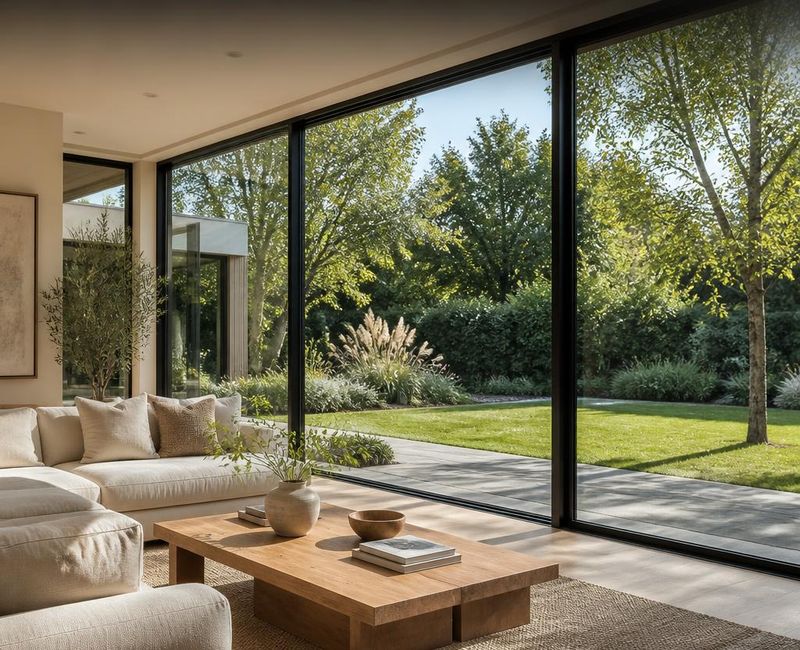
How Oversized Windows Connect Indoor and Outdoor Spaces
Floor-to-ceiling windows bring natural light deep into a room and frame views like artwork. They work best where there is a view or garden worth framing. Consider privacy, glare, and solar heat gain early. Low-E coatings, exterior overhangs, and suitable window coverings can help control heat and sunlight, but their effectiveness depends on the local climate and the direction the windows face.
Glass House Design Inspiration for Contemporary Living
You do not need an all-glass house to get the effect. One glazed wall in a living room or a slim corner window can change a space. Pair large openings with solid walls for balance and structure. Because glazing involves structural and energy considerations, consult an architect or licensed contractor before removing walls. For more insight into the installation process, explore our guide on how oversized glass walls are installed, including the importance of careful measurements, safe handling, and precise alignment.
2. Open-Concept Layouts That Make Every Room Feel Spacious
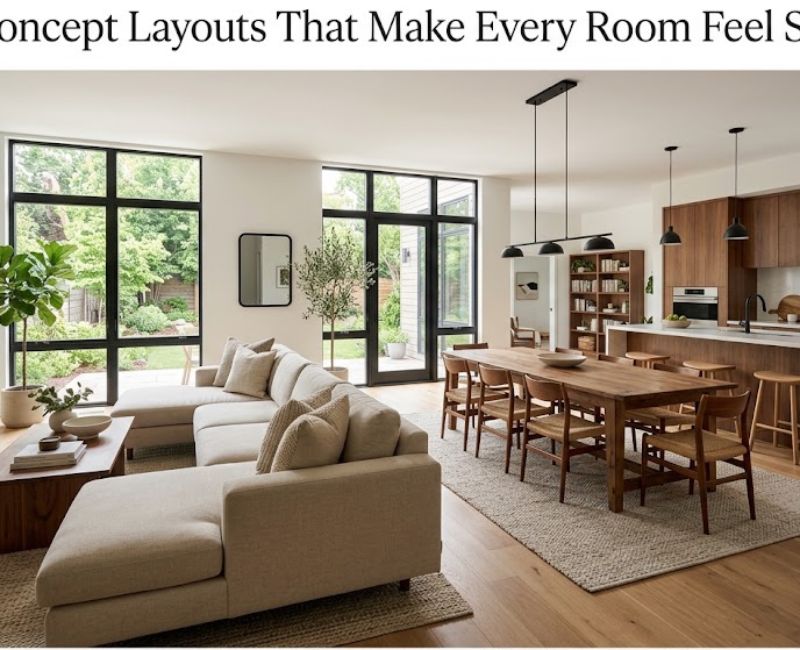
Combining Living, Dining, and Kitchen Areas
Open-concept floor plans merge living, dining, and cooking zones so light and conversation flow freely. They suit entertaining and families who like to stay connected. The drawbacks are noise, cooking odors, and less wall space for furniture. Good ventilation and defined zones make the layout much easier to live with.
Planning an Open Layout for Small and Large Homes
In smaller homes, openness can make rooms feel larger, and rugs, lighting, and furniture placement can mark zones without walls. In larger homes, partial dividers, level changes, or a flexible office nook add quiet areas. Removing load-bearing walls requires a structural engineer and usually a permit.
3. Warm Minimalist Interiors with Clean Architectural Lines
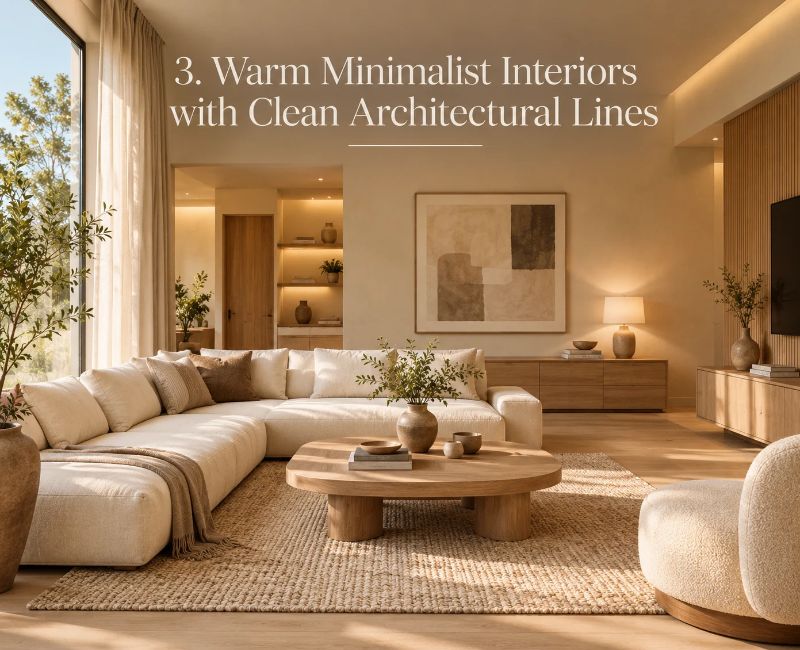
Simple Furniture and Clutter-Free Spaces
Warm minimalist interiors keep the simplicity of minimalism but add softness. Choose furniture with clear silhouettes and leave breathing room around each piece. Closed storage keeps surfaces clear, which supports decluttered living areas without making a room feel empty. To maintain a clean and peaceful interior, learn how to organize a closet with practical storage methods that keep clothing, accessories, and everyday essentials neatly arranged.
Choosing Minimalist Decor Without Losing Comfort
Minimalism fails when it feels cold. Add layered textiles, a few meaningful objects, and warm bulbs. Edit decor rather than eliminating it: three well-chosen pieces on a console usually look better than ten small ones.
4. Natural Wood and Stone for Timeless Modern Interiors
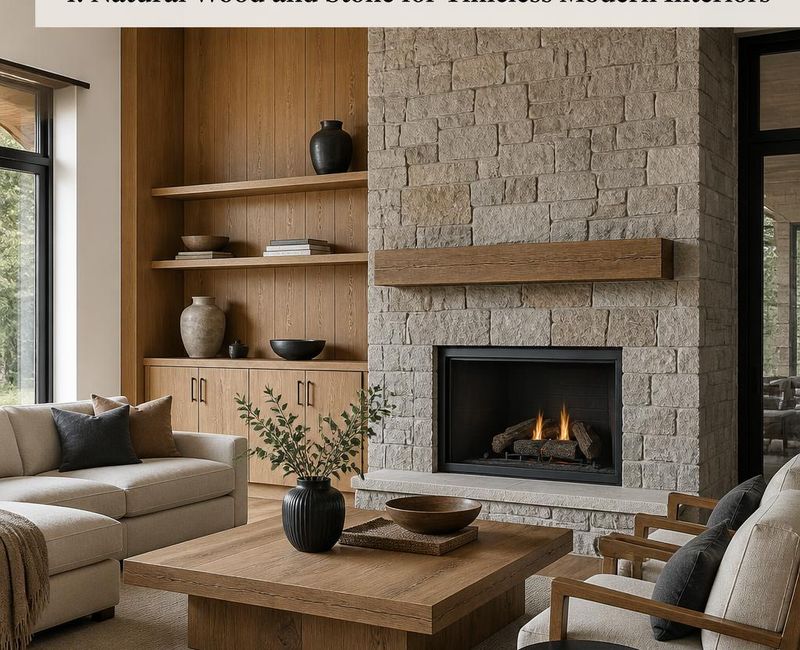
Incorporating Organic Materials into Walls and Floors
Natural wood finishes warm up floors, ceilings, and cabinetry, while stone accent walls add weight and texture around a fireplace or entry. Both are durable building materials when properly specified, but they differ in upkeep. Porous stone may need sealing, and wood can scratch or react to humidity.
Combining Natural Textures with Contemporary Finishes
Texture and material contrast keeps modern rooms from feeling flat. Pair rough stone with smooth plaster, or oak with matte black metal. On a budget, use wood veneer, stone-look porcelain, or a single feature surface instead of covering every wall.
5. Modern Neutral Color Palettes That Make Homes Look Expensive
Warm Whites, Soft Beiges, and Earthy Shades
Using neutral shades throughout your home helps create a harmonious interior that feels peaceful, elegant, and well-balanced. Warm whites, greige, sand, and clay tones are popular choices. Test samples on your walls, because light direction and flooring change how a color reads at different times of day.
Creating Elegant Color Combinations for Modern Rooms
Keep to three tones: a main wall color, a secondary shade for furniture or cabinetry, and a darker accent. Vary texture rather than color to add interest. Repeating one accent, such as charcoal or deep green, around the home ties rooms together.
6. Modern Farmhouse Design with Rustic Character
Blending Traditional Farmhouse Details with Modern Features
A contemporary farmhouse facade often combines peaked roofs, vertical panel siding, spacious porches, and sleek black-framed windows for a timeless yet modern appearance. Inside, rustic contemporary interiors might combine exposed wooden beams with streamlined kitchens. It is a traditional-meets-modern blend that feels welcoming.
Choosing Finishes That Keep Farmhouse Interiors Fresh
Avoid overdoing signature details like shiplap or barn doors. Choose a few, then keep the rest simple. Matte hardware, natural linen, and uncluttered shelves help the look stay current rather than themed.
7. Craftsman-Inspired Homes with Beautiful Architectural Details
Woodwork, Built-In Storage, and Quality Craftsmanship
Craftsman home design is known for low-pitched roofs, deep porches, tapered columns, and visible joinery. Inside, built-ins, window seats, and wide trim add architectural detailing that also works as storage. Quality millwork costs more upfront but is often long-lasting.
How to Bring Craftsman Style into a Contemporary Home
You can borrow selectively: a built-in bench at the entry, simple wood trim, or a deep-set window seat. Keep the palette restrained so these details stand out against modern lines.
8. Indoor-Outdoor Living Spaces Inspired by Coastal Homes
Modern Patios, Sliding Glass Doors, and Outdoor Lounges
Indoor-outdoor living extends usable space. Wide sliding or folding doors, continuous flooring, and a covered patio blur the boundary between rooms. Shade, drainage, insect screening, and weather-resistant furniture make the space usable for more of the year. Passive solar design principles, such as shading and orientation, help control heat.
Coastal Design Inspiration from East Hampton and Palm Beach
Coastal homes in places like East Hampton and Palm Beach often use light palettes, natural fibers, and large openings to capture breezes and views. Coastal exposure demands corrosion-resistant hardware and wind-rated glazing, so check local requirements.
9. Sustainable Materials and Energy-Efficient Home Features
Eco-Friendly Building Materials for Modern Homes
Sustainable home design starts with durable, responsibly sourced materials such as certified wood, recycled-content products, and low-VOC finishes. Assess sourcing, maintenance, and suitability, since a “green” material that fails early is not sustainable.
Energy-Saving Windows, Insulation, and Natural Lighting
Energy-efficient windows, good insulation, and air sealing reduce heating and cooling loads. Daylighting and energy-saving lighting cut electricity use further. Look for manufacturers’ technical documentation and official energy resources, and have a qualified professional evaluate your climate needs.
10. Smart Home Technology for Comfortable Modern Living
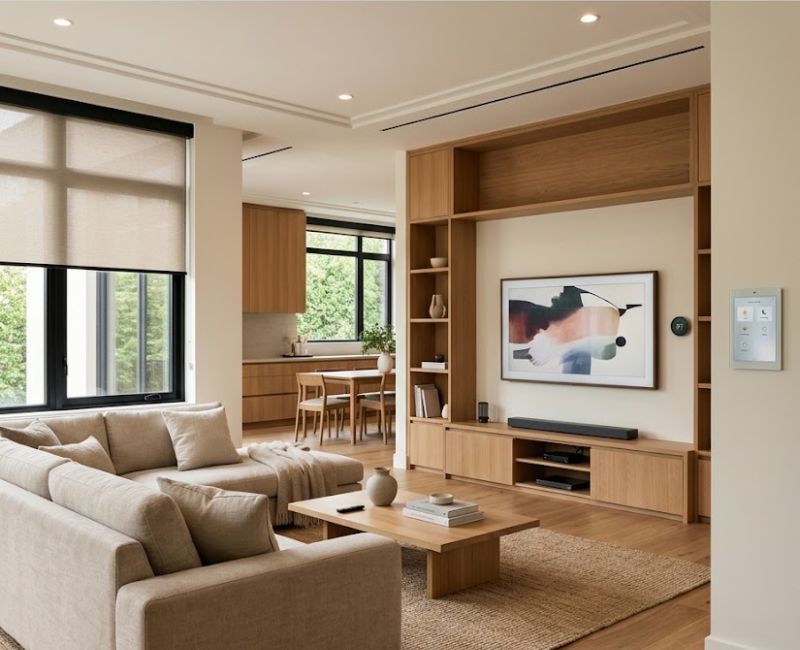
Smart Lighting, Climate Control, and Home Security
Smart home automation can schedule lighting, adjust thermostats, and monitor entries. Before buying, check device compatibility, privacy settings, cybersecurity practices, and any subscription fees. Fewer, well-chosen devices tend to work better than a patchwork of many.
Integrating Technology Without Compromising Interior Design
Plan wiring and hubs during construction or renovation. Choose recessed sensors, in-wall controls, and discreet speakers. Keep manual switches as backups so the house still works when the network does not.
11. Modern Kitchens with Sleek Cabinets and Hidden Storage
Handleless Cabinets, Kitchen Islands, and Clean Finishes
Modern kitchen cabinets with push-to-open or finger-pull profiles create unbroken lines. A well-proportioned island adds seating and prep space, but leave enough clearance around it for comfortable movement. Choose fingerprint-resistant, easy-to-clean surfaces.
Practical Storage Ideas for a Clutter-Free Kitchen
Hidden storage solutions include deep drawers, pull-out pantries, appliance garages, and toe-kick drawers. Place everyday items near where you use them. These upgrades often deliver more daily value than costly finishes.
12. Statement Lighting That Transforms Modern Interiors
Pendant Lights, Sculptural Fixtures, and Layered Lighting
Statement pendant lighting works as both illumination and sculpture. Layered lighting combines ambient, task, and accent sources so no single fixture does all the work. Dimmers add flexibility.
Choosing Light Fixtures for Living Rooms and Dining Areas
Hang dining fixtures at a height that does not block sightlines, and size them in proportion to the table. In living rooms, mix a central fixture with lamps for warmth. Warm-toned lighting creates a cozy, welcoming atmosphere that makes your home feel more comfortable and relaxing.
13. Multifunctional Furniture for Flexible Modern Homes
Space-Saving Furniture for Apartments and Smaller Houses
Multifunctional furniture, such as storage ottomans, extendable tables, and sofa beds, supports space-saving design in smaller homes. Measure carefully and check mechanisms for durability, since moving parts take the most wear.
Built-In Shelving and Clever Storage Solutions
Built-ins use awkward corners, stair walls, and alcoves. Custom work costs more, but modular systems can offer a similar look for less. Leave some shelves open for display and keep the rest closed.
14. Nature-Inspired Bedrooms and Serene Living Spaces
Organic Textures, Soft Lighting, and Calming Colors
Biophilic interior design brings natural cues indoors through wood, linen, plants, and views of greenery. Combine gentle, diffused lighting with subtle colors to create a peaceful and relaxing bedroom atmosphere. Blackout curtains help with sleep without losing the airy feel.
Creating a Relaxing Retreat with Modern Bedroom Decor
Keep surfaces tidy, limit electronics, and layer bedding in a tight palette. A textured headboard or wood accent wall adds depth. Choose plants suited to your light levels so they stay healthy.
15. Bold Contemporary Architecture with Unique Exterior Designs
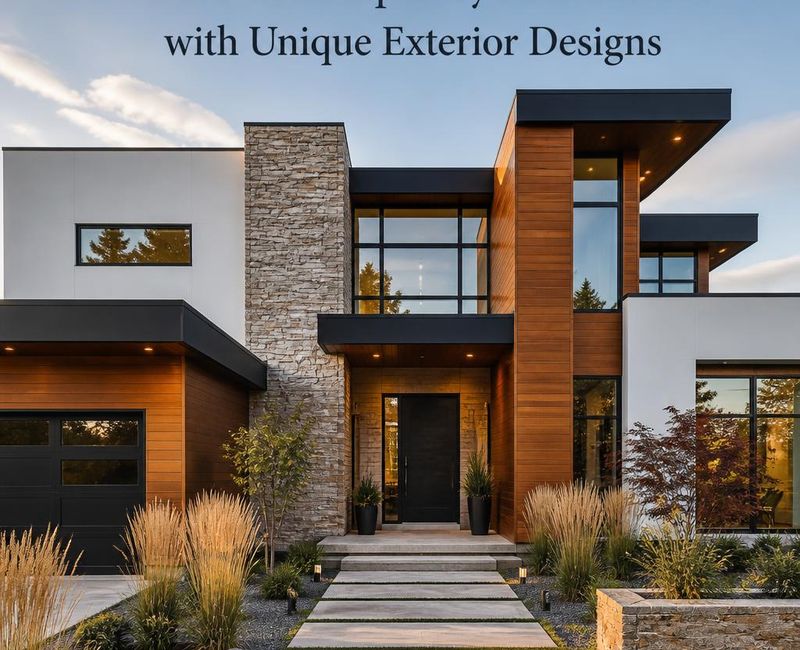
Geometric Shapes, Cantilevered Structures, and Modern Facades
A geometric house exterior may use stacked volumes, flat roof design, and cantilevered sections for drama. These modern facade ideas are structurally demanding and usually cost more to engineer and build. Mixed materials, such as stucco, timber, and metal, add architectural focal points.
Architectural Inspiration from California, Montecito, and the Hamptons
California and Montecito homes often emphasize indoor-outdoor flow and site-sensitive design, while the Hamptons favor refined, weather-aware forms. Use them for inspiration, but adapt to your climate, lot, and zoning rules.
Modern Home Design Trends and Their Practical Benefits
| Modern Home Idea | Main Design Benefit | Important Consideration | Best Suited For |
| Glass walls | Daylight and views | Privacy, glare, heat gain | Sites with good views and shading |
| Open layouts | Flow and flexibility | Noise, odors, structural work | Entertaining households |
| Warm minimalism | Calm, uncluttered rooms | Needs storage planning | Busy families, small spaces |
| Natural wood and stone | Texture and longevity | Sealing, upkeep | Homeowners wanting durable finishes |
| Energy-efficient features | Lower energy demand | Higher upfront cost for some products | Long-term owners |
| Smart technology | Convenience and control | Compatibility, privacy, subscriptions | Tech-comfortable households |
| Multifunctional furniture | Space efficiency | Mechanism durability | Apartments, small homes |
| Indoor-outdoor spaces | Extended living area | Weather, shade, maintenance | Mild or moderate climates |
Note: this heading was not part of your supplied outline. See my note below the SEO package.
How to Choose the Right Modern Home Style for Your Lifestyle
Modern, Contemporary, Minimalist, or Modern Farmhouse?
Modern architecture is a distinct design style characterized by simple shapes, uncluttered structures, and minimal decorative details. ontemporary design reflects current trends and can shift over time. Minimalism strips things back further, while modern farmhouse blends traditional character with updated finishes.
Choosing a Design That Fits Your Location and Family Needs
Consider climate, lot orientation, accessibility, and how your household uses space. A young family may value durable finishes and sightlines, while someone aging in place needs step-free routes and wider doorways. If you are looking for more inspiration before choosing your design direction, explore these modern home ideas from The Home Trotters for additional ways to create a stylish and functional living space.
| Design Style or Planning Option | Key Characteristics | Potential Advantages | Budget or Planning Considerations |
| Modern | Simple forms, large glazing | Light, clarity | Glass and structure can raise costs |
| Contemporary | Trend-responsive, mixed forms | Flexible | Can date more quickly |
| Minimalist | Few details, clean surfaces | Easy to maintain | Quality finishes matter |
| Modern farmhouse | Gables, porches, warm finishes | Familiar, welcoming | Detailing and roofing vary widely |
| Craftsman-inspired | Woodwork, built-ins | Character, storage | Millwork labor can add cost |
| Custom house plans | Designed for your site | Tailored fit | Higher design fees |
| Stock house plans | Pre-drawn designs | Lower initial design cost | Still need local code and site adaptation |
The overall price varies based on the project’s location, dimensions, material choices, labor rates, structural requirements, and design details, meaning no architectural style is consistently the most affordable.
How to Plan a Modern Home Without Exceeding Your Budget
Custom Architect Designs vs. Ready-Made House Plans
Custom design fits your lot and lifestyle but adds design and engineering fees. Stock plans may reduce initial design costs, yet they still need review for local codes, site conditions, and structural requirements.
Important Construction Costs and Hidden Expenses
Budget for site preparation, utilities, architectural and engineering fees, permits, inspections, labor, and materials. Include windows, insulation, roofing, plumbing, electrical, appliances, driveways, landscaping, and finishing work. Add a contingency fund for surprises, and consider long-term energy use and maintenance costs.
Affordable Ways to Achieve a High-End Modern Look
Focus on a cohesive palette, good lighting, quality hardware, and decluttered surfaces. Spend on items you touch daily and economize elsewhere. Simple rooflines and compact footprints can help affordable modern home design stay on track.
What to Know Before Building Your Dream Modern Home
How to Choose the Right Architect and Home Builder
Review portfolios, confirm licenses, ask for references, and compare written scopes of work. Choose professionals who communicate clearly about costs and timelines.
What to Consider Before Buying Land
Before buying a property, review local building regulations, boundary restrictions, soil quality, water drainage, utility connections, sun exposure, and any access rights. Hiring a qualified surveyor and consulting relevant professionals can help you avoid unexpected expenses later.
Why Reviewing House Plans Before Construction Matters
Walk through plans room by room, thinking about furniture, storage, and traffic flow. Changes are far cheaper on paper than during construction.
Frequently Asked Questions
What Are the Biggest Modern Home Design Trends in 2026?
Without a verified ranking, it is best to call these current design directions: warm minimalism, natural materials, energy-efficient features, smart technology, indoor-outdoor living, and flexible layouts. Which matter most depends on your climate, budget, and household.
What Makes a House Look Modern?
Clean lines, simple forms, large windows, flat or low-slope roofs, restrained ornament, and a limited material palette. Interiors typically emphasize openness, natural light, and uncluttered surfaces.
What Is the Difference Between Modern and Contemporary Homes?
Modern refers to a defined architectural movement with clean geometry and minimal ornament. Contemporary describes current styles and can blend influences, so it changes over time. The terms are often used loosely in everyday conversation.
Which Modern House Style Is the Most Affordable?
No style is always cheapest. Simple footprints, straightforward rooflines, and standard materials usually help control costs, while complex geometry and extensive glazing can add expense. Compare quotes based on your location and specifications.
Can You Build a Modern Home on a $400,000 Budget?
It depends on location, land ownership, home size, labor rates, finish level, site conditions, and what the budget includes. In some areas it may be feasible for a modest home, while elsewhere it may not. Get local estimates.
Is Hiring an Architect Worth the Cost?
Often, especially for custom, complex, or difficult sites. An architect can improve layout, light, and code compliance, and may help avoid expensive mistakes. For simple projects, adapted stock plans reviewed by professionals may suffice.
How Can I Make My Home Look More Expensive on a Budget?
Declutter, paint in a cohesive palette, upgrade lighting and hardware, and add texture with quality textiles. Invest in one focal feature rather than spreading money thinly across many small changes.
How Long Does It Take to Build a Custom Home?
Timelines vary widely with design, permitting, weather, site conditions, material availability, and contractor schedules. Ask your builder for a written schedule, and expect design and approvals to take time before construction begins.
Final Thoughts
Successful modern home design balances visual appeal, comfort, functionality, durable materials, and sensible planning. The CozyEscapeHub Modern Home Ideas above are starting points, not a checklist. Choose the ones that fit your lifestyle, location, and budget instead of following every trend, and lean on qualified architects, engineers, and contractors for structural, energy, and code questions. Small, well-considered upgrades can be as rewarding as a full build. For more home design and decor inspiration, explore CozyEscapeHub.com whenever you are ready for your next idea.

Welcome to Cozy Escape Hub! I am Muhammad Hassaan, an AI Powered SEO and content writer with a 2 years of experience.
I help websites rank higher, grow traffic , and look amazing. My goal is to make SEO and web design simple and effective for everyone. Let’s achieve more together!