
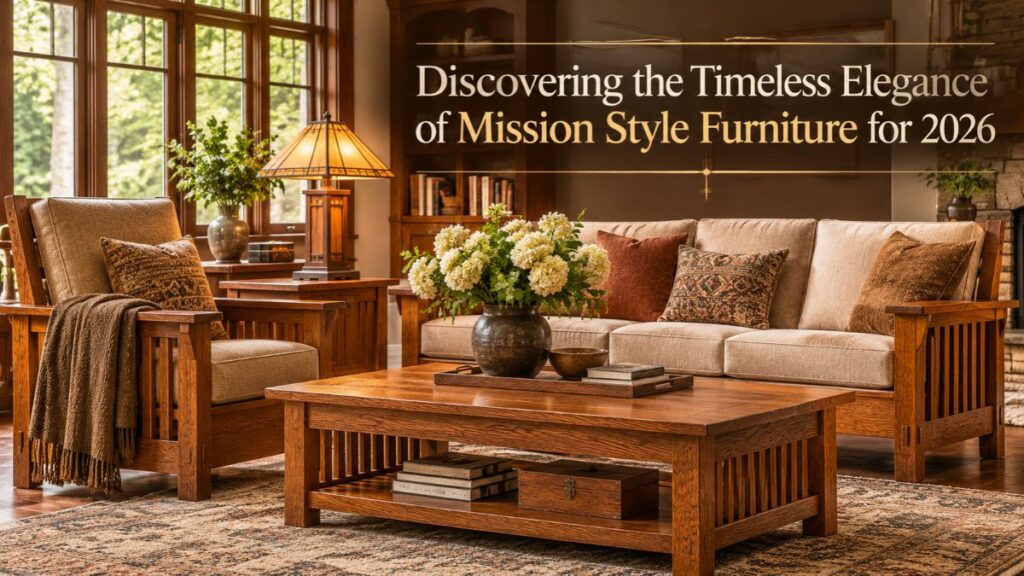
Discovering the Timeless Elegance of Mission Style Furniture for 2026 begins with understanding why this classic design still earns a place in modern homes. In this guide, we’ll explore where Mission style furniture came from, what defines its look, and how to use it in your living room, dining room, bedroom, and home office. You’ll also learn about the best wood choices, how to blend it with contemporary decor, what to check before you buy, and how to care for it so it lasts.
Tired of furniture that looks good in photos but wobbles, wears out, or feels dated within a few years? Discovering the Timeless Elegance of Mission Style Furniture for 2026 offers a better path. Mission style furniture draws inspiration from the Arts and Crafts tradition, featuring solid wood, clean designs, and durable craftsmanship that bring lasting beauty and practicality to everyday living. This article explains what defines the style, how to place it in each room, how to choose quality pieces, and how to keep them looking beautiful for years.
What Is Mission Style Furniture?

Mission style furniture is easy to recognize once you know what to look for. Pieces have a sturdy, rectangular profile, strong vertical and horizontal lines, and very little decoration. Wood is the focus, often with the grain left visible under a natural or warm-toned finish. Joints are frequently shown openly rather than hidden.
The look is not simply “rustic” or “minimalist.” Rustic furniture often celebrates rough, irregular surfaces, while minimalist furniture tends to strip away materials and texture. Mission-style furniture design sits between them: it is carefully proportioned and deliberately made, but warm and tactile rather than stark. The ornament comes from the construction itself, such as a pegged joint, a row of slats, or a well-chosen board of oak.
Practicality is part of the identity. Chairs are broad and stable, tables are solid, and storage is designed to be used. That is why the style has stayed relevant in homes ranging from Craftsman bungalow interiors to contemporary apartments.
The Origins and History of Mission Style Furniture

Mission style belongs to the late nineteenth-century and early twentieth-century furniture design that responded to a changing world. Understanding that background helps explain why the furniture looks the way it does.
The Arts and Crafts Movement
The Arts and Crafts movement began in Britain in the second half of the nineteenth century. It was a reaction to industrial mass production, which many designers felt had produced shoddy goods and cut makers off from their work. Figures such as William Morris and John Ruskin argued for skilled handwork, honest materials, and design that served daily life.
The movement reached the United States around the turn of the twentieth century. American designers and makers adapted its ideals into what we now call the American Arts and Crafts movement. Arts and Crafts furniture emphasized visible construction, natural materials, and function over decoration, and Mission style is one of its best-known expressions in American homes.
Gustav Stickley and the Mission Furniture Tradition
Gustav Stickley, a New York furniture maker and publisher, became one of the most influential figures in American Arts and Crafts furniture. Through his workshops and his magazine, The Craftsman, he promoted simple, solid oak furniture and a philosophy of honest construction. Many collectors still associate his name with the finest examples of the era.
It is worth being precise here: Stickley did not invent Mission style on his own, and he generally preferred the term “Craftsman” for his work. The “Mission” label was used widely in the period by various makers and retailers, and its exact origins are debated, with some accounts linking it to the plain furnishings of Spanish missions in California. Stickley’s real contribution was helping define and popularize an American approach to simple, well-made furniture, and many other makers, including the Roycroft community, L. & J.G. Stickley, and Limbert, worked in related styles.
Key Characteristics of Mission Style Furniture

Several features appear again and again across the style. Not every piece shows all of them, but together they form a recognizable design language.
Straight Lines and Geometric Shapes
Mission furniture is built from rectangles and squares. Table legs are typically straight and square, chair backs rise vertically, and cabinet fronts are flat and balanced. Curves, when they appear, are gentle, such as a slightly arched apron.
The result is a set of simple geometric silhouettes that read as calm and orderly. The proportions are generous and grounded, which gives pieces visual weight without heaviness.
Exposed Joinery and Traditional Craftsmanship
One of the signature features of the style is exposed joinery. Mortise-and-tenon joints, where a projecting tenon fits into a cut mortise, often appear on chairs, tables, and bed frames, sometimes with the tenon end visible through the surface. Dovetail joinery, the interlocking joint seen in drawer corners, is a traditional mark of careful cabinetmaking.
Not every piece uses every joint, and quality varies widely. Some handcrafted furniture details are executed with real structural joinery, while some modern reproductions use screws, dowels, or decorative faux pegs. Looking closely at how a piece is put together is the best way to judge Mission style furniture craftsmanship.
Natural Wood Materials and Finishes
Oak is the wood most closely linked to the style, particularly quarter-sawn oak, which shows distinctive ray-fleck patterns. Cherry, maple, and other hardwoods also appear. Finishes are usually restrained, designed to deepen the wood’s color while keeping the grain visible.
This approach reflects the Arts and Crafts belief in honest materials. Instead of painting over wood or disguising it, Mission pieces let natural wood grain do much of the visual work.
Sturdy Construction and Functional Design
Mission furniture was meant to be used hard. Thick stock, solid frames, and strong joints give pieces stability and a long working life. A good Mission bookcase should not rack when you lean on it, and a good dining chair should not wobble.
Function shapes the design in other ways too. Cabinets and sideboards offer practical storage, and seating is often wide and supportive. This is functional furniture for modern homes as much as it was for early twentieth-century ones.
Simple Details and Minimal Ornamentation
Decoration is limited and purposeful. You may see slatted wooden furniture elements, such as vertical slats on a chair back or the sides of a settle, along with simple pulls, hammered metal hardware, or a restrained inlay.
Simplicity is not the same as poor craftsmanship. A well-made plain piece shows precise joints, balanced proportions, and a refined finish. A poorly made plain piece is just plain. The difference is in the details you can inspect.
Popular Types of Mission Style Furniture

The style extends to almost every room. These are the categories readers most often consider.
Mission Style Living Room Furniture
Mission style living room furniture typically includes sofas and armchairs with exposed wooden frames and loose cushions, along with coffee tables, side tables, and bookcases. Classic examples include the Morris chair, an adjustable-back armchair associated with the period.
Upholstery is generally simple. Leather upholstery and sturdy cotton or wool fabrics in solid colors or subtle patterns pair well with the wood. Choose cushions firm enough to keep the clean lines of the frame visible.
Mission Style Dining Tables and Chairs
A Mission style dining table usually has thick square or tapered legs and a plain top, sometimes with extension leaves. Matching chairs often feature slatted or panel backs and may have leather or fabric seats.
A sideboard or buffet adds storage for linens and serving pieces. For practical seating, check that the chair seat height suits your table, and allow enough room to pull chairs out comfortably, ideally about three feet between the table edge and the nearest wall or furniture.
Mission Style Bedroom Furniture
Mission style bedroom furniture often centers on a bed with a slatted or paneled headboard, supported by a dresser, chest, and nightstands. The wood tone does much of the decorating, so coordinated finishes across pieces make the room feel cohesive.
Because the frames are substantial, they work best in rooms with enough space to avoid a heavy look. Soft bedding and layered textiles balance the wood’s solidity.
Mission Style Desks and Home Office Furniture
A Mission style office desk offers a large, stable work surface, and many designs include drawers or a pedestal for storage. Bookshelves and file cabinets in the same style make it easy to build a cohesive workspace.
Pay attention to ergonomics. Standard desk height is often around 29 to 30 inches, so pair the desk with an adjustable chair and consider a keyboard tray if the surface height is not comfortable for you. Solid wood furniture can also be heavy, so plan cable routing and placement before moving it in.
How to Incorporate Mission Style Furniture Into Your Home
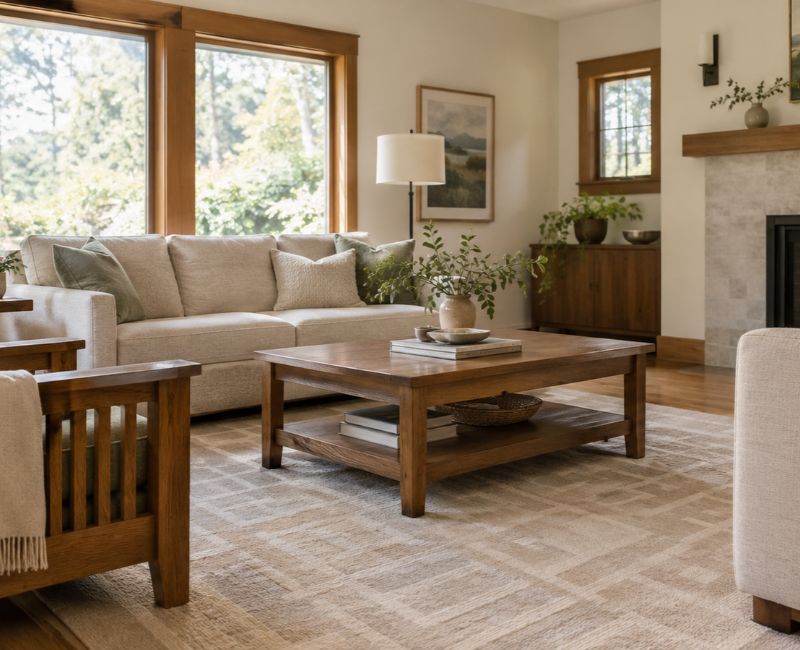
Mission style home decor works best when the furniture is allowed to stand out and the surroundings stay calm. The following room-by-room ideas show how.
Creating a Warm and Inviting Living Room
Start with one anchor piece, such as a sofa or a large bookcase, and arrange seating around it so people can talk easily. Keep walkways clear, and avoid placing every piece against the walls, which can make a room feel stiff.
Lighting matters as much as layout. Combine overhead light with table lamps and a reading lamp near the main chair. To avoid an overcrowded appearance, limit the number of large wood pieces in a single room and leave some visual breathing space between them.
Designing a Timeless Mission Style Dining Room
Choose a table that leaves room to move. A common guideline is to allow about 24 to 30 inches of table edge per person, though comfort varies with chair width. Keep finishes consistent between the table, chairs, and sideboard, or choose complementary tones rather than near-matches that look like mistakes.
Style the room simply. A table runner, a ceramic bowl, and a pendant light with a warm glow are usually enough. A rug that extends beyond the chairs, so they stay on it when pulled out, ties the space together.
Bringing Natural Elegance Into the Bedroom
Choose a consistent wood tone for the bed, dresser, and bedside tables to create a harmonious and cohesive bedroom design. Then soften them with bedding in natural textures like linen and cotton, along with a wool throw.
Calming colors such as cream, soft sage, and warm neutrals suit the wood tones. Keep decorative items limited so the room feels restful. Warm neutral shades, soft bedding, and natural wood finishes can make a Mission-style bedroom feel both timeless and inviting. If you want more inspiration for pairing earthy wall colors with wooden furniture, explore these tan bedroom ideas.
Creating a Functional Mission Style Home Office
Position the desk where you have good natural light, ideally with the light coming from the side to reduce glare on the screen. Use closed storage for paperwork and open shelves for the items you want to display.
Add a task lamp, a supportive chair, and a rug or wall art in earthy tones. A tidy desk surface shows off the wood and keeps the room feeling organized.
Best Wood Types and Finishes for Mission Style Furniture
The wood you choose affects appearance, weight, price, and how the piece ages.
Oak, Cherry, and Other Popular Wood Choices
Oak Mission furniture is the traditional standard. White oak, especially when quarter-sawn, shows a striking ray-fleck figure and is a dense, durable hardwood. Cherry has a smoother, finer grain and tends to darken gradually with exposure to light. Maple is a pale, tight-grained hardwood that can be finished light or stained to imitate other woods.
| Wood | Grain and appearance | Typical character | Best suited for |
| Quarter-sawn white oak | Straight grain with distinctive ray flecks | Dense, durable, classic Arts and Crafts look | Dining tables, chairs, bookcases, authentic reproductions |
| Red oak | Open, pronounced grain with a slightly reddish cast | Hard and widely available | Budget-conscious solid wood pieces |
| Cherry | Fine, smooth grain; warm reddish tone that deepens over time | Moderately hard, works well for detailed joinery | Bedroom furniture, desks, cabinets |
| Maple | Subtle, uniform grain; pale color | Hard and dense; takes stain unevenly in some cases | Lighter interiors, modern interpretations |
Individual boards vary, so treat these as general tendencies rather than guarantees.
Natural Stains and Rich Wood Tones
Natural wood finishes and rich brown tones bring out the wood’s unique grain patterns while preserving its authentic beauty. A lighter finish makes a room feel more open, while a deeper brown creates a cozy, traditional mood. Rich oak and cherry finishes, in particular, pair well with earthy walls and textured fabrics.
Before committing, view a sample in your own lighting, since stain color shifts between daylight and lamplight.
How to Mix Mission Style Furniture With Modern Decor
You do not need to build a period-perfect interior. Mission style interior design adapts well to contemporary spaces when you handle contrast carefully.
Combining Traditional Furniture With Contemporary Accents
Let the Mission pieces serve as the structured backbone, then add modern artwork, sleek lamps, or a simple geometric rug. Pairing traditional and contemporary decor works best when you limit the number of competing styles and keep accessories restrained.
Simple companion furniture, such as a plain console or metal-framed side table, can sit comfortably alongside Mission pieces. Avoid heavily ornate additions, which compete with the style’s quiet character. Mission-style furniture can also work beautifully in contemporary interiors when paired with modern lighting, simple artwork, and a balanced color palette. For more inspiration on combining classic pieces with current design trends, explore these modern home ideas.
Choosing Complementary Colors, Fabrics, and Lighting
Warm and earthy color palettes are the natural match: cream, beige, muted green, terracotta, and deep brown. Natural textiles, such as wool, linen, and cotton, add softness, and leather upholstery brings depth and ages attractively.
Layered lighting finishes the picture. Combine ambient, task, and accent lighting, and consider fixtures with warm metal or glass shades for a nod to the era.
Is Mission Style Furniture Still Popular in 2026?
Mission style has a long track record, and many people still seek it out, but it is hard to measure its popularity precisely. There is no single reliable statistic, so the following reflects design reasoning rather than market data.
Why Homeowners Continue to Love Its Timeless Design
Several qualities explain its lasting appeal. Craftsmanship and natural materials feel increasingly valuable in an era of disposable furniture. The designs are functional, easy to live with, and flexible enough to fit both traditional and modern rooms. As timeless furniture design, Mission pieces also tend to look at home for decades rather than seasons.
Antique Mission furniture adds another layer of interest. Original period pieces are collected and admired, though prices and authenticity vary widely, so it pays to verify provenance.
Modern Mission Furniture Trends for 2026
Rather than claiming specific trends, it is more useful to describe plausible ways the style is being used today. Designers and homeowners often pair Mission frames with lighter interiors, mix wood with metal or glass accents, and choose multifunctional layouts for smaller homes. Restrained styling, with fewer but better pieces, also fits the style’s roots.
If you are following trends, check current reports from reputable design publications and retailers rather than relying on broad claims. The enduring principles of the style matter more than any single season.
Where to Buy Quality Mission Style Furniture
Buying well requires comparing how pieces are made, not just how they look in photographs.
Choosing Reputable Furniture Makers and Retailers
Look for sellers that clearly state the wood species, construction methods, and finish. Vague descriptions, such as “wood-look” or “wood composite,” without detail are a signal to ask questions. Read warranty terms, delivery policies, and return conditions before ordering, particularly for large, heavy pieces.
Established makers of Arts and Crafts-style furniture and respected local craftspeople are worth researching, including Stickley (the modern company that continues the family’s furniture tradition). Check independent reviews, ask for samples or specifications, and, when possible, see the furniture in person. Mission style furniture retailers vary significantly in quality, so research matters.
What to Check Before Buying Mission Style Furniture
Use this checklist when comparing pieces:
| What to check | What to look for |
| Wood type | Species named clearly (oak, cherry, maple); quarter-sawn oak specified if that is the look you want |
| Solid wood vs. veneer | Solid wood is typically more durable and repairable; quality veneer over a stable core can still perform well, so ask for details |
| Joinery | Mortise-and-tenon or dovetail joints where appropriate; tight fit and no visible gaps |
| Finish quality | Even color, smooth surface, no drips or rough patches |
| Stability | No wobble or racking when you press or sit |
| Dimensions | Measure your room and doorways; check seat height and table clearances |
| Comfort | Sit in chairs and sofas if possible; test cushion firmness |
| Price | Compare against the construction and materials, not the style label alone |
| Warranty | Written coverage, including what is excluded |
Keep in mind that solid wood, premium craftsmanship, and traditional joinery can raise the price. Modern reproductions can differ considerably in materials and build quality, so a lower price may reflect different construction rather than a bargain.
How to Care for and Maintain Mission Style Furniture

Wood furniture maintenance is straightforward when done consistently.
Cleaning and Protecting Natural Wood Surfaces
Dust regularly with a soft, dry or lightly damp microfiber cloth. Wipe spills right away, since moisture can mark or stain wood. Use coasters, placemats, and trivets to protect surfaces from heat and condensation.
Always follow the manufacturer’s care instructions, because finishes differ. Harsh cleaners, silicone-heavy sprays, and abrasive pads can damage finishes, so use gentle products recommended for your specific furniture. Regular care helps preserve the natural beauty and durability of wooden furniture. Along with cleaning and protecting wood surfaces, following these home maintenance tips can help you keep your living space in good condition.
Preserving Craftsmanship and Extending Furniture Life
Keep furniture away from direct sunlight, which can fade or darken wood, and away from heating vents and radiators. Aim for stable indoor humidity, since sharp swings can cause wood to expand, contract, or crack.
Lift pieces rather than dragging them, and use felt pads under legs. Inspect joints and hardware from time to time, tightening loose fittings promptly. For antiques, deep scratches, or structural issues, consult a professional restorer instead of attempting major repairs yourself.
Mission Style Furniture vs. Other Traditional Furniture Styles
Mission, Craftsman, and Victorian furniture are often grouped together as “traditional,” but they have distinct personalities.
Mission and Craftsman furniture overlap historically and visually. Both emerged from the American Arts and Crafts movement, favor solid wood, and emphasize visible construction. In practice, the terms are often used interchangeably, though some people use “Craftsman” for the broader philosophy and Stickley-associated designs, and “Mission” for the more strictly rectilinear forms. Craftsman style furniture may sometimes include slightly more refined curves or detailing, though this varies by maker.
Victorian furniture, by contrast, is typically more ornate. It often features carved details, curved lines, dark polished woods like mahogany or walnut, and rich upholstery. Mission style prioritizes plain surfaces and structural honesty, while Victorian design leans toward decoration and display.
In short, Mission and Craftsman share a common spirit of simplicity and craftsmanship, while Victorian furniture represents a different approach built on ornament.
Frequently Asked Questions
What does Mission-style furniture mean?
Mission-style furniture is a simple, sturdy style of solid-wood furniture that grew out of the American Arts and Crafts movement in the early 1900s. It focuses on straight lines, visible joinery, and natural wood finishes instead of decoration.
What is the difference between Mission and Craftsman style?
These two design styles share many similarities, which is why they are often considered interchangeable. “Craftsman” often refers to the broader Arts and Crafts philosophy and designs linked to Gustav Stickley, while “Mission” usually describes the more strictly rectilinear, plain forms.
What is Mission style?
Mission style is a design approach that values honest materials, solid construction, and function over ornament. It appears in furniture and in home interiors, especially Craftsman bungalows.
What does Mission-style furniture look like?
It has a boxy, rectangular profile with straight vertical and horizontal lines. Common details include slatted sides or backs, exposed joints like mortise-and-tenon, and wood with the grain left visible, often oak.
What wood is Mission-style furniture made of?
Oak is the traditional choice, especially quarter-sawn white oak, which shows a distinctive ray-fleck pattern. Cherry and maple are also used, and quality varies between solid wood and veneer pieces.
Is Mission-style furniture still popular today?
Yes, many homeowners still choose it for its durable construction, natural materials, and simple look that fits both traditional and modern rooms. Popularity is hard to measure exactly, but the style’s flexibility has helped it stay relevant.
Conclusion
Mission style furniture endures because it combines honest materials, thoughtful construction, and practical design. Its straight lines, natural wood grain, and exposed joinery suit everything from traditional bungalows to modern apartments. It also works across the home, from the living room to the bedroom and office.
There are trade-offs to keep in mind. Solid wood and skilled joinery can cost more, and quality varies among reproductions, so careful inspection matters. Regular care will help the furniture last for decades.
If you are considering your first piece, start small. A single well-made chair, table, or bookcase will tell you how the style feels in your home, and you can build from there with confidence.

Welcome to Cozy Escape Hub! I am Muhammad Hassaan, an AI Powered SEO and content writer with a 2 years of experience.
I help websites rank higher, grow traffic , and look amazing. My goal is to make SEO and web design simple and effective for everyone. Let’s achieve more together!