
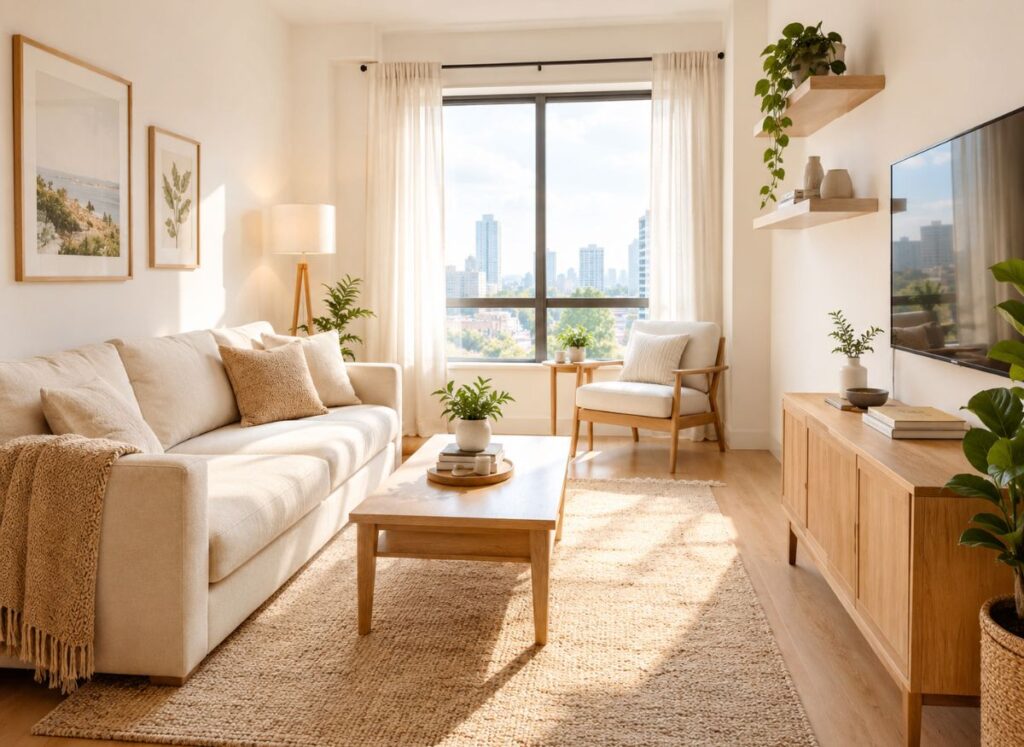
Decorating a small apartment can feel challenging when every square foot needs to serve a purpose. However, the right design choices can make a compact home feel brighter, more comfortable, and visually spacious without requiring expensive renovations. Learning how to decorate a small apartment to make it feel more spacious starts with understanding how colors, furniture, lighting, mirrors, and organization influence the way you experience a room.
Light neutral colors can reflect daylight, while compact and multifunctional furniture can preserve valuable floor space. Strategic storage, clear pathways, and carefully selected decorations can also create a stronger sense of openness. If you are wondering how to decorate a small apartment to make it feel more spacious, small changes can make a noticeable difference in both appearance and functionality. Throughout this guide, you will discover practical ideas that show how to decorate a small apartment to make it feel more spacious while maintaining a stylish, cozy, and personalized living environment.
Opt for Light, Neutral Colors
Color has a significant effect on how large or small a room appears. One of the simplest small apartment decorating ideas is to use a light and neutral color palette throughout the home. Shades such as warm white, cream, beige, pale gray, and soft taupe can help reflect light and make walls appear less visually heavy.
A neutral color palette can also create continuity between different areas. When rooms share similar tones, the eye can move more easily through the apartment instead of stopping at strong color boundaries.
Choose Light Colors for Small Spaces
Using light colors for small spaces can help make a room feel more spacious. White is a popular choice, but you do not have to create an entirely white apartment. Soft beige, ivory, light greige, and pale blue can also work well.
If you prefer stronger colors, introduce them through smaller details such as cushions, artwork, rugs, bedding, or decorative accessories. This allows you to add personality without making the room feel visually crowded.
Maintain a Cohesive Color Scheme
A cohesive color scheme can make a small apartment feel more connected. Rather than giving every room a completely different appearance, select a few complementary colors and repeat them throughout the apartment.
For example, warm white walls can be paired with natural wood, beige upholstery, black accents, and muted green accessories. This approach works especially well for minimalist apartment decor because it creates visual consistency without making the space boring. For more inspiration, explore these interior design ideas for creating a cohesive and stylish home.
Make Smart Furniture Choices
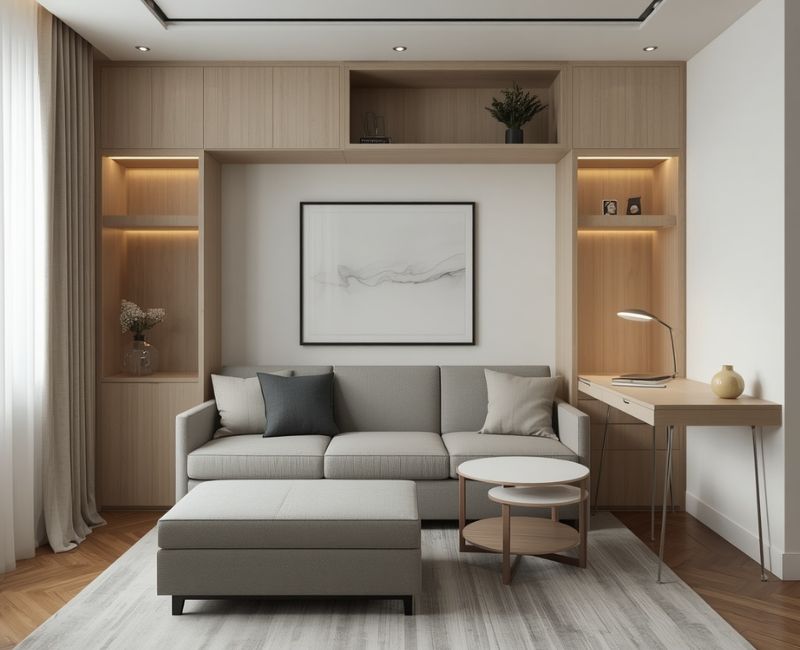
Furniture can either help maximize limited space or make a small apartment feel cramped. The most important rule is to choose pieces that fit the proportions of the room rather than simply choosing the largest furniture you can fit inside.
Good small apartment design focuses on functionality, scale, and flexibility. Every major piece should have a clear purpose and should not interfere with movement around the room.
Choose Furniture That Fits the Space
Before buying a sofa, bed, dining table, or cabinet, measure the available area carefully. Compact furniture can leave more visible floor around larger pieces, which can help create a more open appearance.
Avoid placing furniture directly in pathways whenever possible. A clear route between the entrance, kitchen, living room, and bedroom can significantly improve the flow of a small apartment.
Furniture with exposed legs can also make a room feel lighter because more of the floor remains visible underneath.
Use Furniture With Multiple Functions
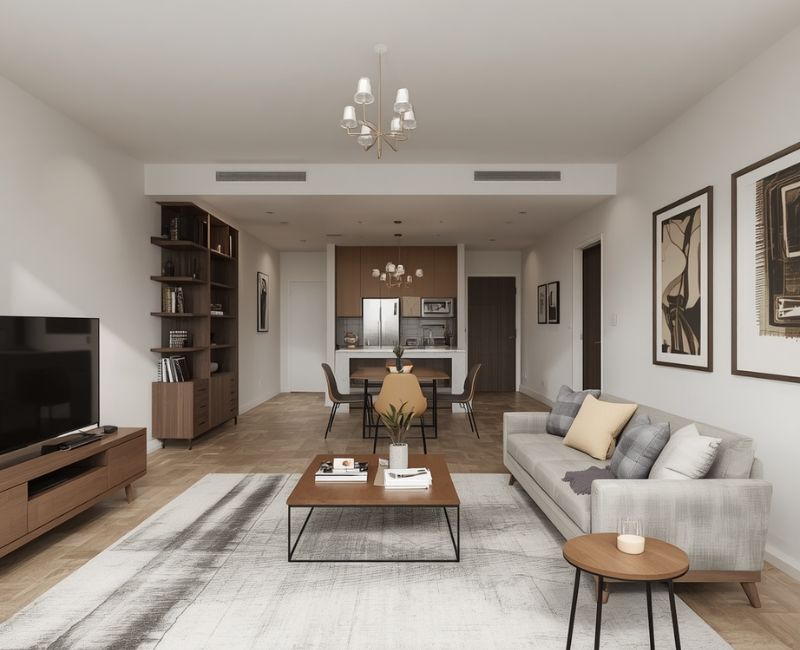
Multifunctional furniture is particularly useful in apartments where every square foot matters. A single piece can perform two or more jobs without requiring additional floor space.
Useful examples include:
- Storage ottomans that provide seating and hidden storage
- Sofa beds that can transform a living area into a sleeping space
- Drop-leaf tables for flexible dining
- Beds with built-in drawers
- Folding desks for compact workspaces
- Nesting tables that can be separated when needed
- Storage benches for seating and organization
Using furniture with multiple functions can help free up valuable floor space while making the apartment more practical.
Consider Transparent and Wall-Mounted Furniture
Transparent furniture can reduce visual weight. A glass coffee table or clear acrylic chair allows the eye to see more of the surrounding floor and can contribute to an open feel.
Wall-mounted furniture can be equally useful. Floating desks, wall-mounted cabinets, and floating shelves can keep items off the floor while providing useful storage and display space.
The result is a cleaner arrangement that helps maximize floor space without removing functionality.
Natural Light Is Your Friend
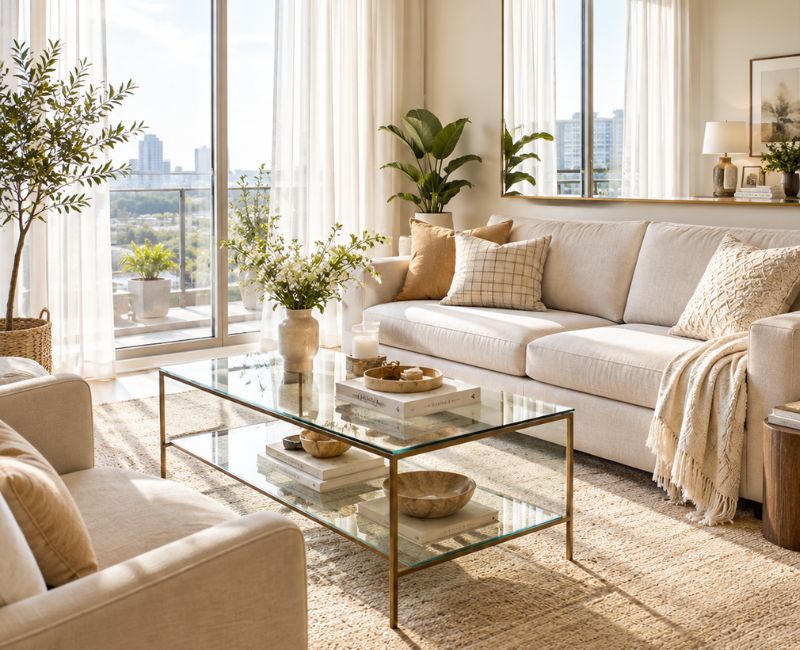
Natural light is one of the most valuable design elements in a small home. A room filled with daylight generally feels brighter, cleaner, and more open than one dominated by dark corners.
When planning your apartment interior design, think about how your furniture, curtains, and decorations affect the amount of daylight entering the room.
Let Natural Light In
Avoid covering windows with unnecessarily heavy curtains or placing tall furniture directly in front of them. Allow as much daylight as possible to enter the apartment.
Floor-to-ceiling curtains can also help create the impression of greater height. Hang them close to the ceiling and allow the fabric to extend toward the floor rather than stopping directly at the window frame.
Sheer curtains can provide privacy while still allowing daylight to enter.
Reflect Light Around the Room
If some areas of your apartment are naturally darker, use reflective surfaces to distribute light. Mirrors, glass furniture, polished metal accents, and glossy finishes can help reflect light around the room.
You do not need to cover the apartment with reflective materials. A strategically positioned mirror or glass table can be enough to create a subtle difference.
Create a Brighter Atmosphere With Layered Lighting
Natural light is important during the day, but your apartment also needs effective lighting at night.
Instead of depending entirely on one ceiling fixture, combine different types of lighting, such as:
- Floor lamps
- Table lamps
- Wall lights
- Pendant lights
- Under-cabinet lighting
- Bedside lighting
Lighting different parts of the room helps eliminate dark corners and can make a compact apartment feel more comfortable.
Zoning
Small apartments often need to perform several functions at once. A single room may need to work as a living room, dining area, workspace, and entertainment space.
Instead of adding permanent walls, use subtle zoning techniques to create separate living zones while maintaining an open feel.
Define Different Areas With Rugs
Rugs can visually define areas without taking up additional wall or floor space. For example, a living room rug can establish the seating area within an open-plan apartment.
A smaller rug under a dining table or beside a workspace can create another visual zone. This makes the apartment easier to organize without making it feel divided.
Use Furniture to Create Zones
Furniture placement can naturally separate different functions.
For example, positioning a sofa with its back toward a workspace can distinguish the living area from the work area. An open bookshelf can also separate two spaces while allowing light to move through.
This technique helps define different areas without using heavy partitions.
Avoid Blocking the Flow
Zoning should not make the apartment difficult to navigate. Leave comfortable walking paths between important areas and avoid creating unnecessary barriers.
The goal is to create an open feel while giving each part of the apartment a clear purpose.
Mirrors and Reflective Surfaces
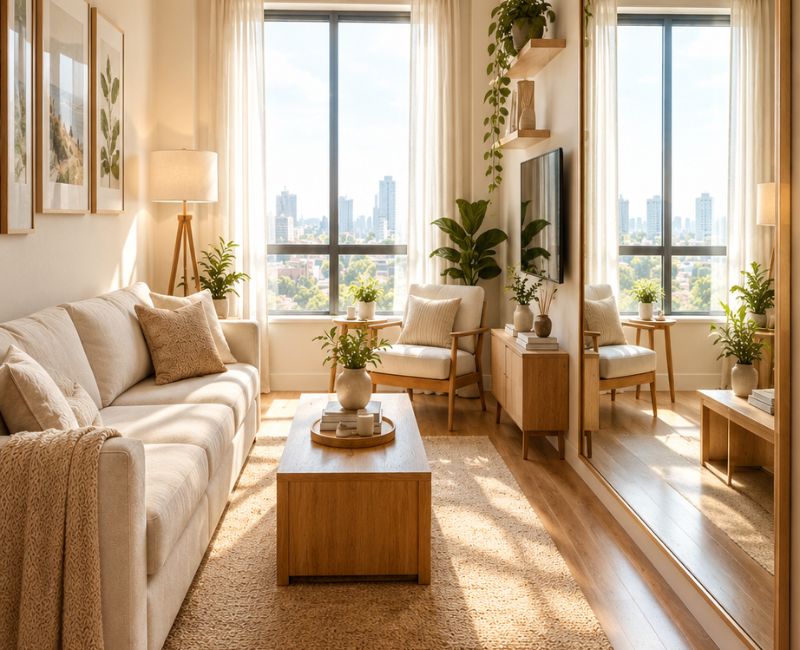
Mirrors are one of the most useful tools for small space decorating because they can create the visual impression of additional depth. When positioned correctly, they can also reflect daylight and make darker areas appear brighter.
However, simply adding several mirrors will not automatically make an apartment look larger. Placement is much more important.
Use Large Mirrors Strategically
A large mirror can make a narrow wall appear deeper. Consider placing one opposite a window so it can reflect natural light into the room.
A full-length mirror can also draw the eye upward and create a stronger sense of height. In a bedroom, living room, or entryway, a carefully positioned mirror can combine practical use with decorative appeal.
Add Reflective Surfaces
Mirrors are only one option. Reflective surfaces such as glass, polished metal, glossy finishes, and transparent furniture can also help reduce visual heaviness.
A glass coffee table, for example, provides useful surface space while allowing the floor underneath to remain visible. This can help the room appear less crowded.
Use reflective materials selectively. Too many shiny surfaces can make a small apartment feel visually busy rather than spacious.
Cut the Clutter
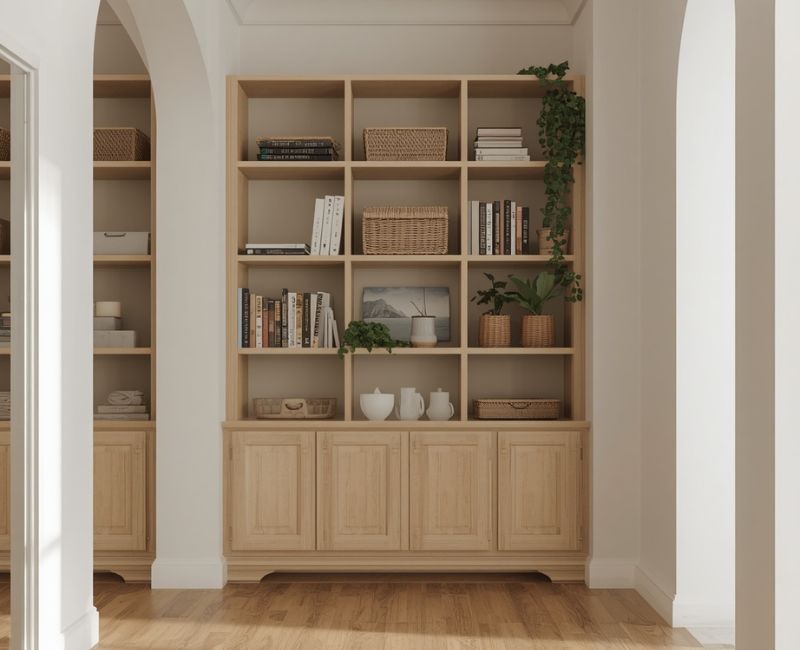
Even the best small space decorating ideas can fail when an apartment contains too many unnecessary objects. Clutter makes surfaces appear crowded and reduces the visual openness of the room.
Creating a clutter-free apartment does not mean removing everything you love. It means choosing what deserves visible space and finding practical storage for everything else.
Keep Surfaces Clear
Counters, coffee tables, shelves, and nightstands can quickly become crowded. Try to keep frequently used surfaces relatively clear.
Instead of displaying many small objects together, choose a few meaningful decorations. This approach allows individual pieces to stand out while helping reduce visual clutter.
Use Hidden Storage Solutions
Hidden storage is particularly valuable in small apartments because it keeps everyday belongings accessible without leaving them constantly visible.
Consider:
- Under-bed storage
- Storage ottomans
- Closed cabinets
- Storage benches
- Baskets
- Built-in drawers
- Wall-mounted cabinets
- Furniture with concealed compartments
These small apartment storage solutions can help you organize belongings without sacrificing valuable floor space.
Use Vertical Storage
When floor space is limited, look upward. Vertical storage allows you to use areas that might otherwise remain empty.
Tall bookcases, floating shelves, wall-mounted cabinets, and high storage units can help utilize unused spaces while keeping the floor relatively open.
Floating shelves are especially useful for books, plants, artwork, and small decorative items. Just avoid filling every shelf completely, as too many objects can recreate the clutter you are trying to remove.
Organize Small Spaces Efficiently
Good apartment organization is about making everyday items easy to access while preventing them from taking over the room.
Group similar belongings together and assign them specific storage locations. For example, use baskets for blankets, containers for small accessories, and dedicated drawers for frequently used items.
A consistent organization system makes it easier to keep the apartment tidy over time.
Make Strategic Decoration Choices
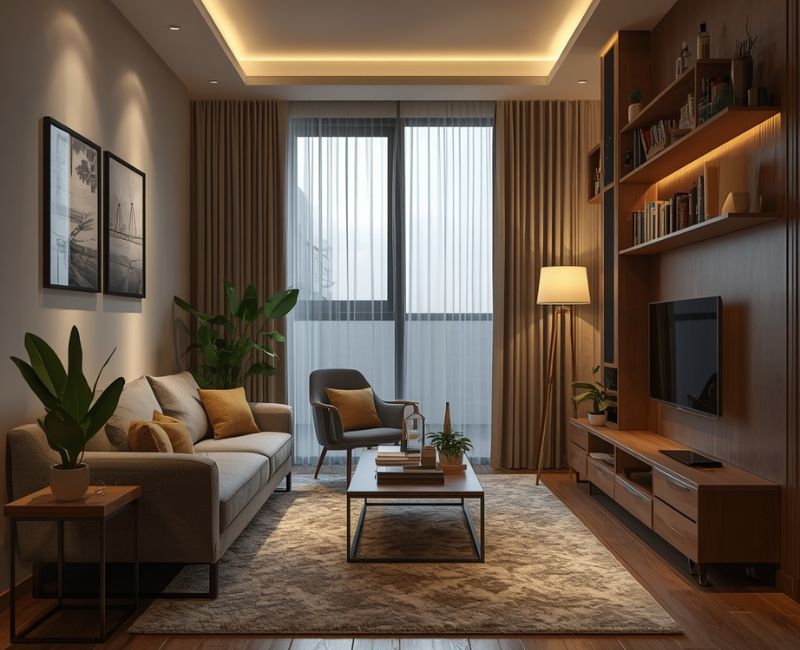
Decorating a compact apartment requires balance. You want your home to have personality, but too many decorative elements can overwhelm the room.
The best approach is to choose pieces that contribute to the overall design while serving a useful visual or practical purpose. For more inspiration, explore these home decor ideas for adding style and personality without overwhelming a compact space.
Add Personality Without Clutter
A small apartment does not have to look plain. Artwork, plants, cushions, rugs, and accessories can introduce color and personality. The key is moderation. Instead of placing several small decorations on every available surface, select a few pieces that complement the overall design. Wallpaper can also add personality to a small living area when you choose a light, subtle pattern that does not overwhelm the space.This allows you to add personality without clutter.
Use Vertical Space
Walls provide valuable opportunities for decorating without taking up floor area. Vertical artwork, tall bookcases, wall-mounted lighting, and high shelves can draw attention upward.
Using vertical elements can also make the ceiling appear higher, especially when curtains and artwork emphasize the height of the room.
Choose Floor-to-Ceiling Curtains
Floor-to-ceiling curtains are another simple way to enhance the perceived height of an apartment. Curtains that extend from near the ceiling to the floor create a long vertical line that draws the eye upward.
Choose relatively light fabrics if you want to maintain a bright and airy appearance.
Use Plants Carefully
Plants can make a cozy small apartment feel more inviting, but large plants can consume valuable floor space.
If you have limited room, use small plants on shelves, windowsills, or tables. Hanging planters and wall-mounted planters can also introduce greenery without taking up much floor area.
Make Every Square Foot Work
One of the most important principles of functional apartment design is to give each area a purpose.
An empty corner might become a compact workspace. An unused wall could accommodate floating shelves. The space beneath a bed could provide storage, while an entryway bench could offer both seating and organization.
When you maximize every square foot, the apartment becomes more efficient without necessarily adding more furniture.
Frequently Asked Questions
Can I Hire a Decorator for My Small Apartment on a Budget?
Yes, you can hire a decorator for a small apartment on a budget.
Choose a consultation-only service or request help with specific rooms instead of the entire apartment.
Providing your own furniture and décor can also reduce the overall cost.
How Much Does It Cost to Hire Someone to Decorate My Apartment?
The cost depends on the decorator, apartment size, project scope, and location.
Some professionals charge hourly, while others offer flat-rate packages or room-based pricing.
Ask for a detailed quote before starting the project.
Is It Worth Hiring a Decorator for a Rental Apartment?
It can be worthwhile if you want professional ideas for improving the space without making permanent changes.
A decorator can suggest removable décor, flexible furniture, and renter-friendly storage solutions.
Focus on improvements you can take with you when you move.
How Can I Make My Small Apartment Look Bigger?
Use light colors, mirrors, uncluttered surfaces, and appropriately sized furniture.
Keep walkways open and use vertical or hidden storage wherever possible.
These simple changes can create a brighter and more spacious appearance.
What Furniture Is Best for a Small Apartment?
Choose compact, multifunctional furniture that serves more than one purpose.
Storage ottomans, folding tables, sofa beds, and beds with built-in drawers are useful options.
Avoid oversized furniture that blocks pathways or dominates the room.
How Can I Organize a Small Apartment Without Making It Feel Cluttered?
Use hidden storage, floating shelves, baskets, and furniture with built-in compartments.
Keep frequently used items accessible while storing less-used belongings out of sight.
Regularly removing unnecessary items will also help maintain an organized home.
Conclusion
Knowing how to decorate a small apartment to make it feel more spacious starts with understanding that visual space matters just as much as physical space. Light colors, natural light, mirrors, appropriate furniture, clear pathways, and organized storage can all help make a small apartment look bigger without requiring a renovation.
Focus on choices that make the room feel lighter and easier to move through. Choose furniture that fits the space, use multifunctional pieces, take advantage of vertical storage, keep surfaces clear, and create defined areas without blocking the natural flow of the apartment. These space-maximizing ideas can help you create a comfortable living environment while maintaining your personal style.
Whether you live in a studio or a one-bedroom apartment, you do not need to fill every corner to make your home feel complete. A thoughtful combination of small apartment decor, practical organization, and intentional design can help create an open and airy apartment that feels comfortable, functional, and welcoming.

Welcome to Cozy Escape Hub! I am Muhammad Hassaan, an AI Powered SEO and content writer with a 2 years of experience.
I help websites rank higher, grow traffic , and look amazing. My goal is to make SEO and web design simple and effective for everyone. Let’s achieve more together!